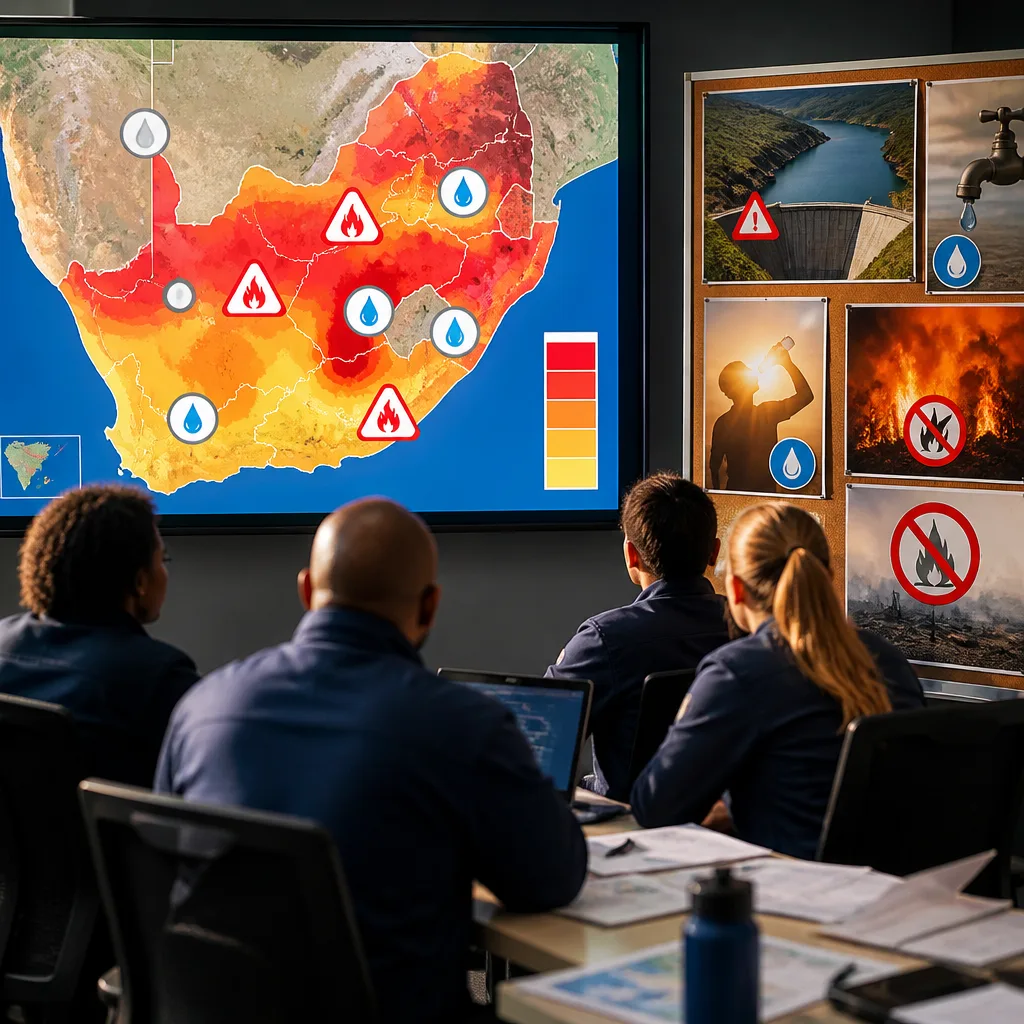
What people must do now: begin checking water-saving measures at home and at work, plan for higher food and fuel costs, avoid burning garden waste, and follow municipal and disaster-management guidance. Farmers and businesses that rely on water or agricultural inputs should review contingency plans for the coming season.
El Niño set to peak in summer, experts say
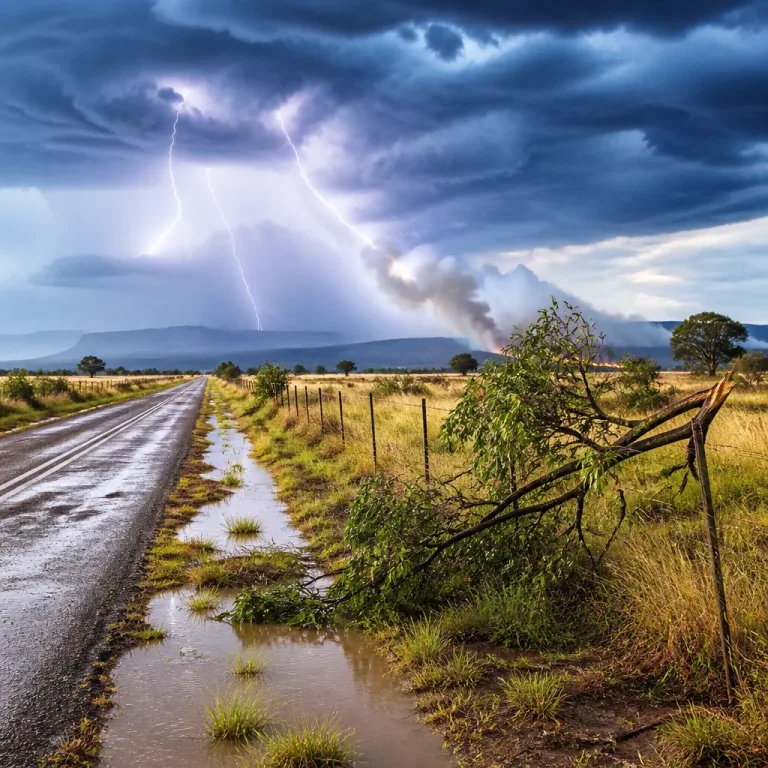
South Africa is facing an exceptional El Niño event that specialist forecasters expect to peak between November 2026 and February 2027, the Enso (El Niño–Southern Oscillation) Reference Group and reporting in TimesLIVE say. The phenomenon, driven by unusually warm Pacific Ocean waters, typically brings hotter and drier conditions to southern Africa.
The South African Weather Service (SAWS) has warned of rising temperatures and greater weather variability during the season. Forecasters describe the current El Niño as mature and intensifying, and warn it could be one of the strongest on record.
Key risks for households, agriculture and the economy
Forecasters and analysts identify several immediate concerns if the El Niño intensifies as expected:
- Agriculture: a prolonged rainfall deficit may influence planting decisions, reduce yields and increase the chance of crop losses.
- Water resources: lower seasonal rainfall would put additional pressure on reservoirs and municipal water supplies in affected catchments.
- Fire risk: hotter, drier conditions raise the likelihood of forest and wildfires.
- Economy and prices: the South African Reserve Bank (SARB) has described El Niño as an additional inflation risk that could further constrain growth and put upward pressure on food prices.
While two previous favourable rainy seasons helped reservoir levels and the 2025/26 maize harvest was record-breaking, scientists caution these buffers do not guarantee immunity from losses in the coming season. The ENSO group emphasises that even during intense El Niño events a brief wetter spell can occur late in spring, so impacts will not be uniform across the country.
Preparedness and planning
The National Disaster Management Centre has already begun planning for the season, and commentators are urging a faster roll-out of early warning systems and improved municipal planning. Thabiso Rulashe, Santam’s head of strategy and investor relations and author of the TimesLIVE column, specifically called on authorities to accelerate funding for early warning and for businesses to review supply-chain resilience.
| Item | Details from reporting |
|---|---|
| Expected peak | November 2026–February 2027 |
| Primary impacts | Higher temperatures, rainfall deficits, increased wildfire risk, pressure on water resources |
| Economic concern | SARB: additional inflation risk; potential to slow growth |
Practical actions households and local authorities can take now include limiting non-essential water use, clearing vegetation responsibly to reduce fire fuel, checking municipal contingency notices, and budgeting for possible higher food and commodity prices. Farmers should review irrigation plans and seed and input strategies where possible, and consider diversifying risk where feasible.
Businesses that depend on agricultural inputs or water-intensive processes are advised to assess supply-chain vulnerabilities and look for alternative sourcing or storage options. Municipalities should finalise drought-management measures and communicate clear, localised water-saving steps to residents.
Although not every area will experience drought conditions, the combination of an exceptional El Niño and existing economic pressures means preparedness and timely response will be crucial to reduce harm to livelihoods and infrastructure.
Summary: an exceptional El Niño is expected to peak this southern summer. Prepare now: save water, reduce fire risk, review agricultural plans and expect potential price pressure on food and other goods.