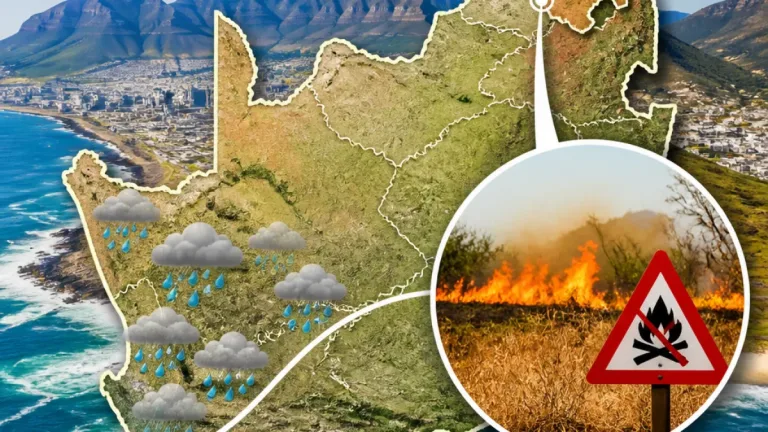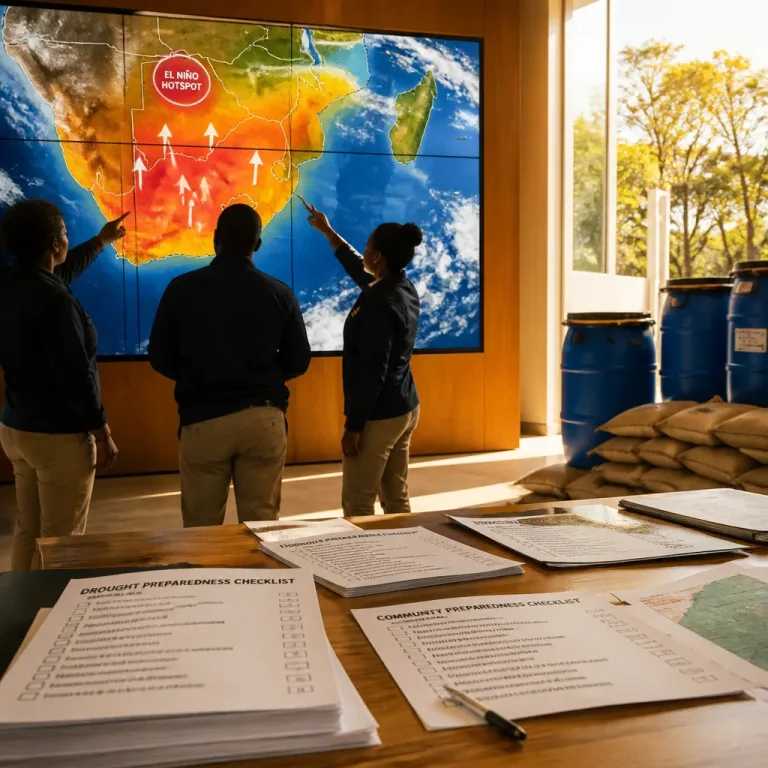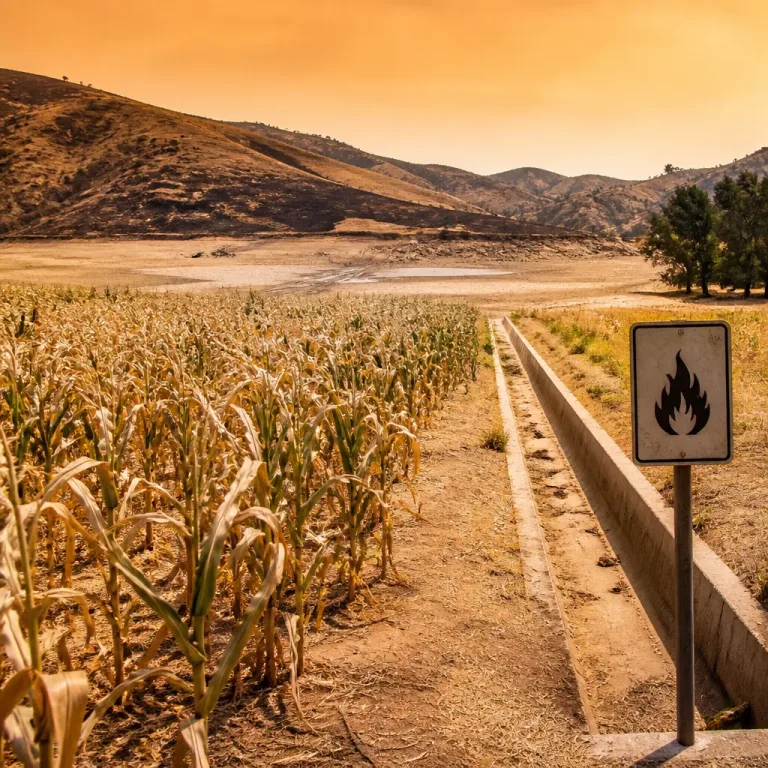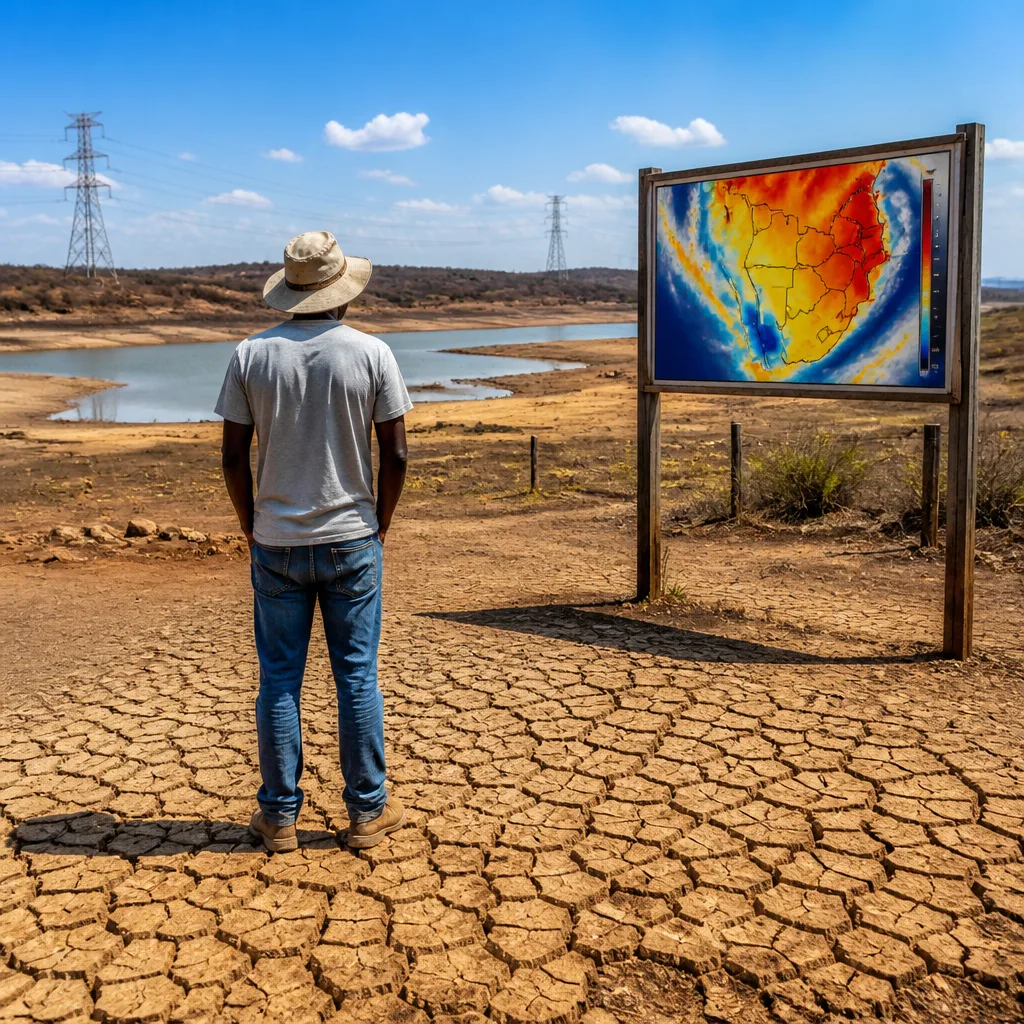
Prepare now for drier, hotter months: the World Meteorological Organization (WMO) has stated there is a near‑100% chance El Niño will persist through February 2027. The heightened certainty from the WMO, the first time it has used such language for this event, underlines the need for action by authorities, businesses and households that depend on stable rainfall and energy supply.
What officials are saying
News24 reported that international agencies and the UN have warned of a "very strong" El Niño and cautioned that its effects could hit South Africa’s farms, water supplies and energy systems, potentially stretching beyond the immediate season. The WMO’s latest outlook gave the clearest signal yet of a prolonged event, with forecasters noting an elevated probability of climate extremes.
"El Niño does not have to be a recipe for disaster," the WMO said, highlighting that preparedness can reduce harm.
The combination of a strong El Niño and local vulnerabilities — including depleted water storage in some catchments and ongoing pressure on the electricity system — means risk managers must plan for a range of impacts rather than assume normal conditions.
Practical steps for households and communities
Acting early can reduce immediate hardship. Key measures people can take include:
- Conserve water: limit non‑essential outdoor use, fix leaks promptly and store safe drinking water where possible.
- Manage food and seed stock: households and smallholders should review food stocks and preserve seed for planting in more favourable windows.
- Prepare for load‑shedding variability: keep charged power banks, maintain a small emergency lighting and cooking plan that does not rely on open fires indoors.
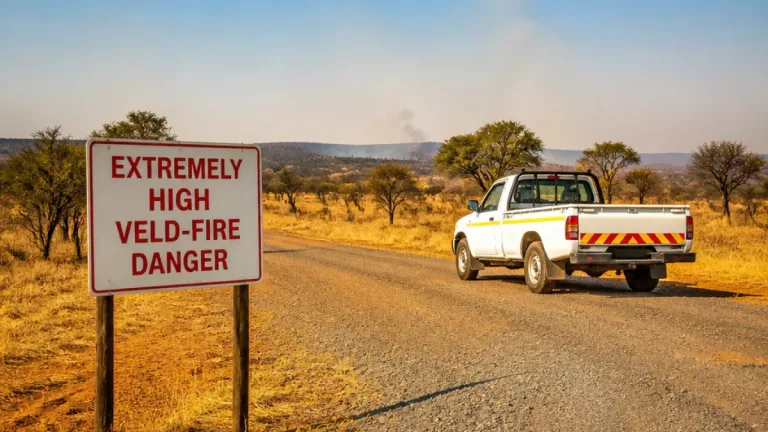
- Watch local forecasts: follow SAWS and provincial advisories for heatwaves, fire danger and rainfall changes.
Municipalities and farmers’ organisations should coordinate on water allocations, prioritise critical services and update contingency plans for irrigation and livestock management.
What to expect — timeline and uncertainties
The WMO’s statement pins a high probability on El Niño persisting through February 2027. International coverage cited by News24 warns that the episode could be "very strong" and that impacts may continue to ripple into the following year, depending on how circulation and rainfall patterns evolve.
| Period | What agencies report |
|---|---|
| To February 2027 | WMO: near‑100% likelihood El Niño persists |
| Post‑Feb 2027 | Some forecasters and UN reporting suggest consequences could extend beyond the formal El Niño window, affecting agri‑water‑energy sectors |
Forecasts are probabilistic: while meteorological agencies can indicate elevated risk, the timing, location and severity of specific impacts remain uncertain. That means policy makers should adopt flexible measures that can be scaled as conditions change.
Sectoral implications and responses
Although the WMO’s forecast does not spell out local losses, it strengthens the rationale for immediate contingency actions in key sectors:
- Agriculture: irrigation scheduling, drought‑tolerant seed choices and careful monitoring of livestock feed and water.
- Water services: accelerated leak repairs, demand‑management and equitable allocation plans for storage reservoirs.
- Energy: plans to manage increased demand (for cooling) and potential generation shortfalls, with coordination between Eskom, municipalities and the national departments.
National and provincial authorities are expected to use the WMO guidance to update stress tests and emergency plans. Individuals should follow SAWS and official government advisories for locally relevant guidance as the season progresses.
Bottom line: the WMO’s unusually firm forecast is a prompt to prepare rather than panic. Practical, low‑cost measures at household and municipal level will blunt many immediate risks while agencies refine specific contingency actions over the coming months.