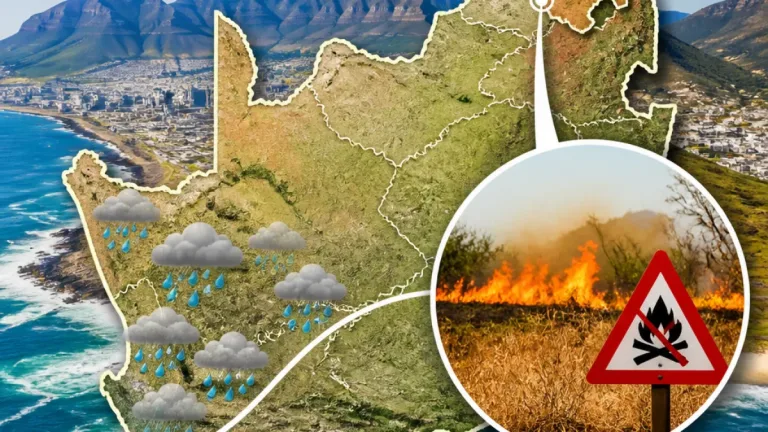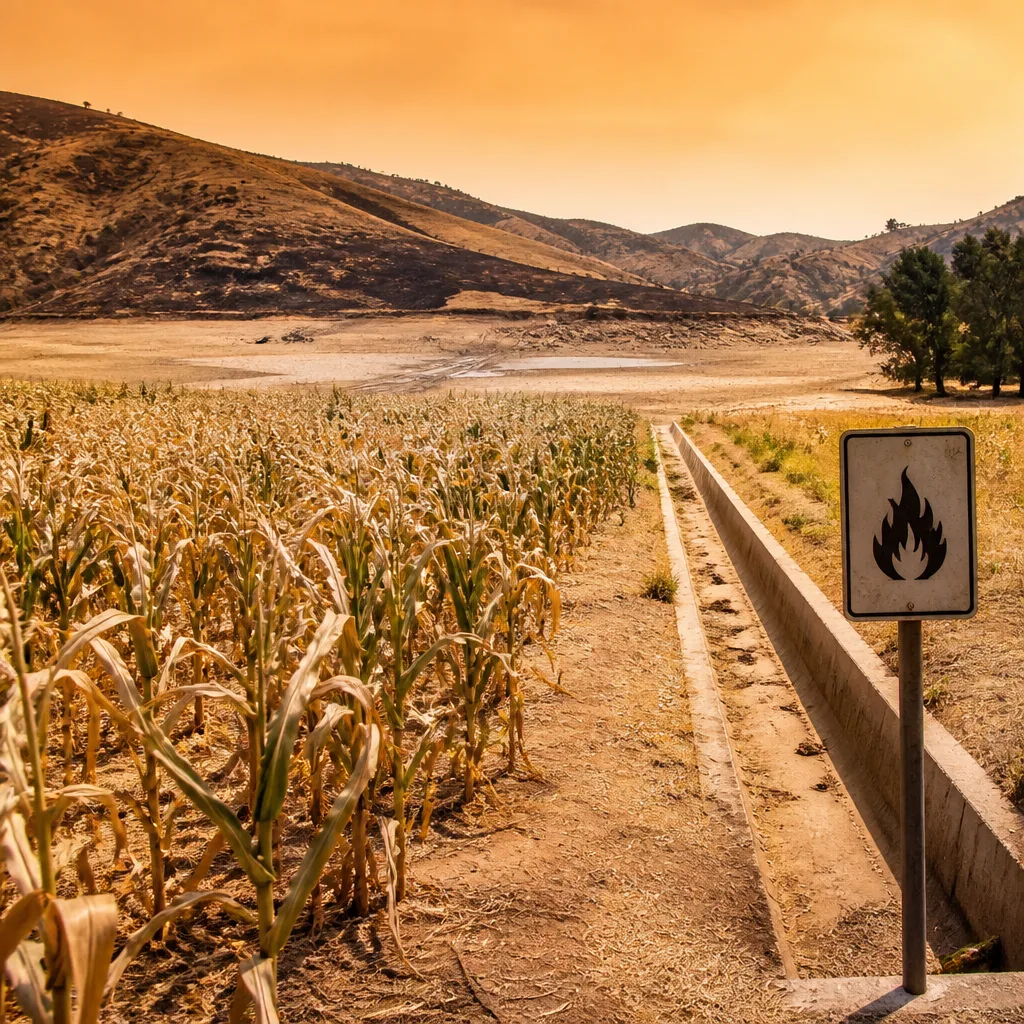
South Africa should prepare now for a summer season likely to be hotter and drier than average, the South African Weather Service (SAWS) and the National Disaster Management Centre (NDMC) warned on Sunday. Authorities say early action is needed to reduce the impact of extreme heat, drought, crop and livestock losses, and an increased risk of veld fires.
What the forecasts say
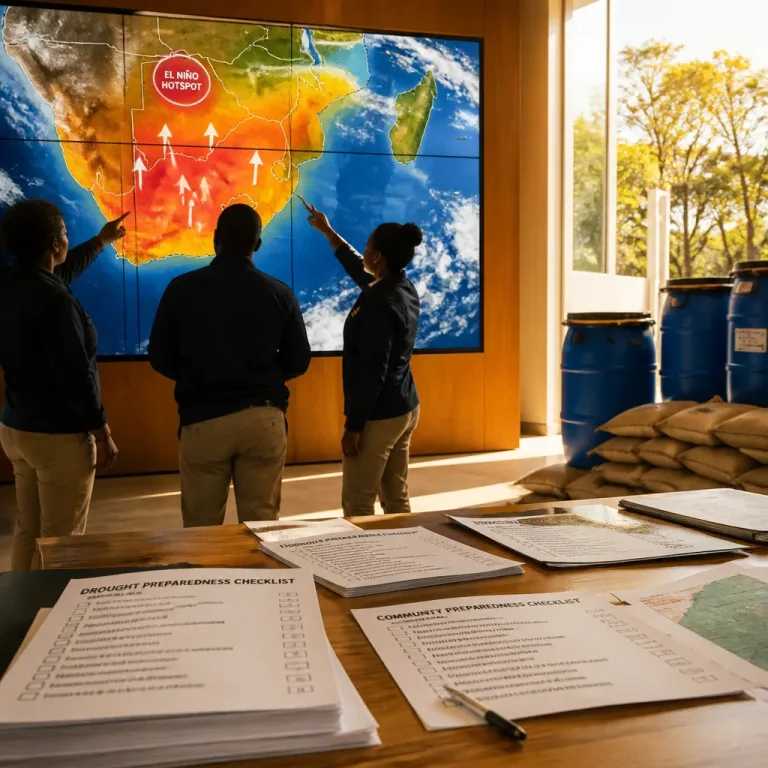
SAWS has flagged a developing El Niño in the Pacific that could intensify and become one of the strongest on record, and noted that global warming is likely to add to the heat burden. The service expects below‑normal rainfall and above‑normal temperatures from October through January, raising the probability that 2027 could be South Africa’s warmest year if current trends continue.
| Period | Expected conditions |
|---|---|
| October–January (2026/27 summer) | Above‑normal temperatures, below‑normal rainfall |
Primary risks and sectors of concern
Officials highlighted several direct risks associated with a strong El Niño this season. These include:
- Water stress for municipal and agricultural supply due to reduced rainfall and higher evaporation.
- Lower crop and livestock output from moisture deficits and heat stress.
- Heat‑related illness, particularly among outdoor workers, the elderly and people without reliable access to cooling.
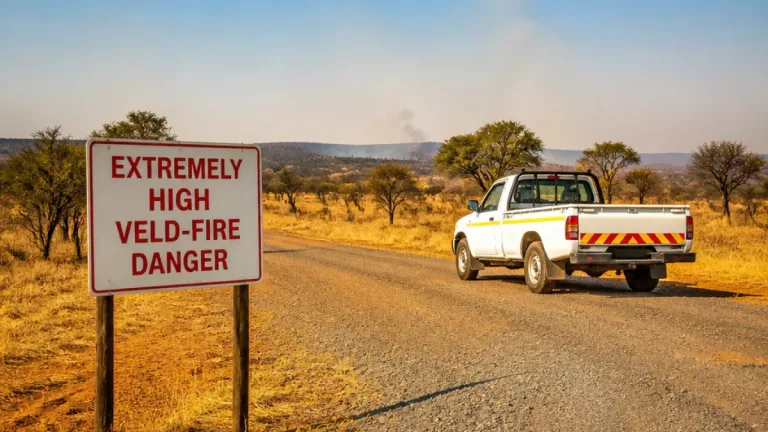
- Elevated veld‑fire risk across large parts of the country, increasing demand on firefighting and emergency services.
What authorities are advising
The NDMC emphasised that forecasts must be turned into practical measures that reach communities before hazards escalate into disasters. Pumeza Tyali, director for disaster risk assessment and early warning at the NDMC, said early monitoring and coordination are essential.
“Preparedness must begin before the impacts are felt,”
Tyali outlined specific priorities: monitor hazards closely, identify areas and communities most exposed, review contingency plans, and ensure warnings trigger concrete on‑the‑ground actions. She said water and sanitation authorities are already tracking demand and preparing for possible drought, while agriculture departments are issuing timely advisories to farmers on crops, livestock and water management. Health services are strengthening surveillance for water‑related diseases and other communicable conditions that can increase after weather extremes.
Practical steps for households and local government
Practical, early steps can reduce risks and costs later in the season. Authorities and experts recommend the following:
- Conserve water now: fix leaks, limit non‑essential outdoor use, and follow municipal water restrictions.
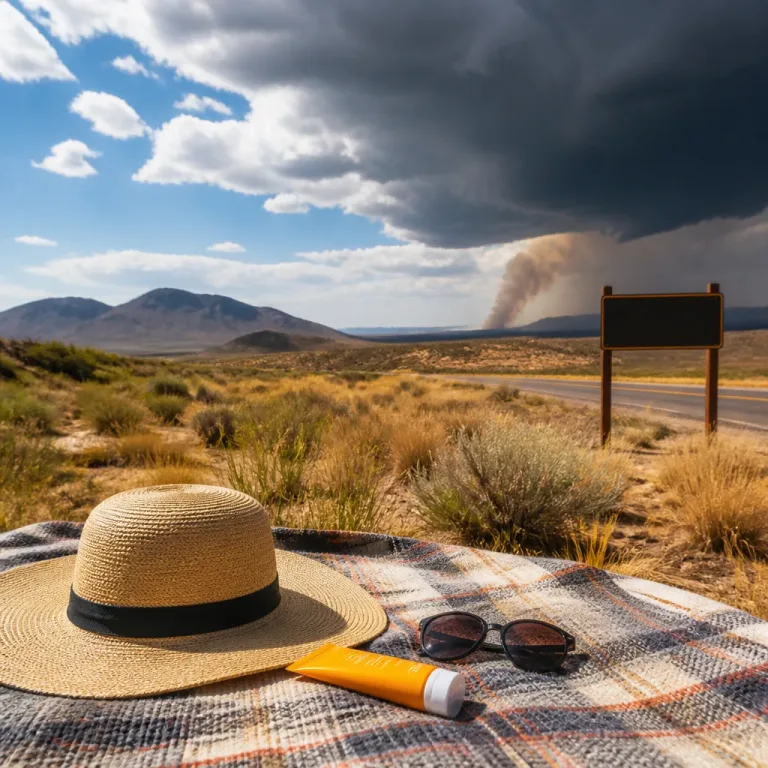
- Plan for heat: ensure access to cool, shaded spaces, check on elderly or vulnerable neighbours, and avoid heavy exertion during the hottest hours.
- Prepare for fires: clear dry vegetation from around homes, maintain defensible space, and have an evacuation plan and emergency kit ready.
- Farmers should review contingency options: consider changes to irrigation scheduling, stock management and crop choices in line with official advice.
- Local authorities should update contingency plans, test communication chains for warnings, and ensure emergency services capacity for fires and heat‑related incidents.
SAWS urged media, weather‑sensitive industries and communities to act on official warnings as they are issued. The department stressed that while the outlook points to a higher likelihood of extreme events, local impacts will vary and will depend on preparation and response at national, provincial and municipal levels.
Past strong El Niño events, such as 2015/16, produced severe heatwaves in parts of South Africa. Authorities say converting seasonal forecasts into targeted local action now can substantially reduce harm to people, livelihoods and essential services.
Stay informed: monitor SAWS warnings and NDMC advisories, follow municipal instructions on water use, and keep emergency contact numbers at hand.