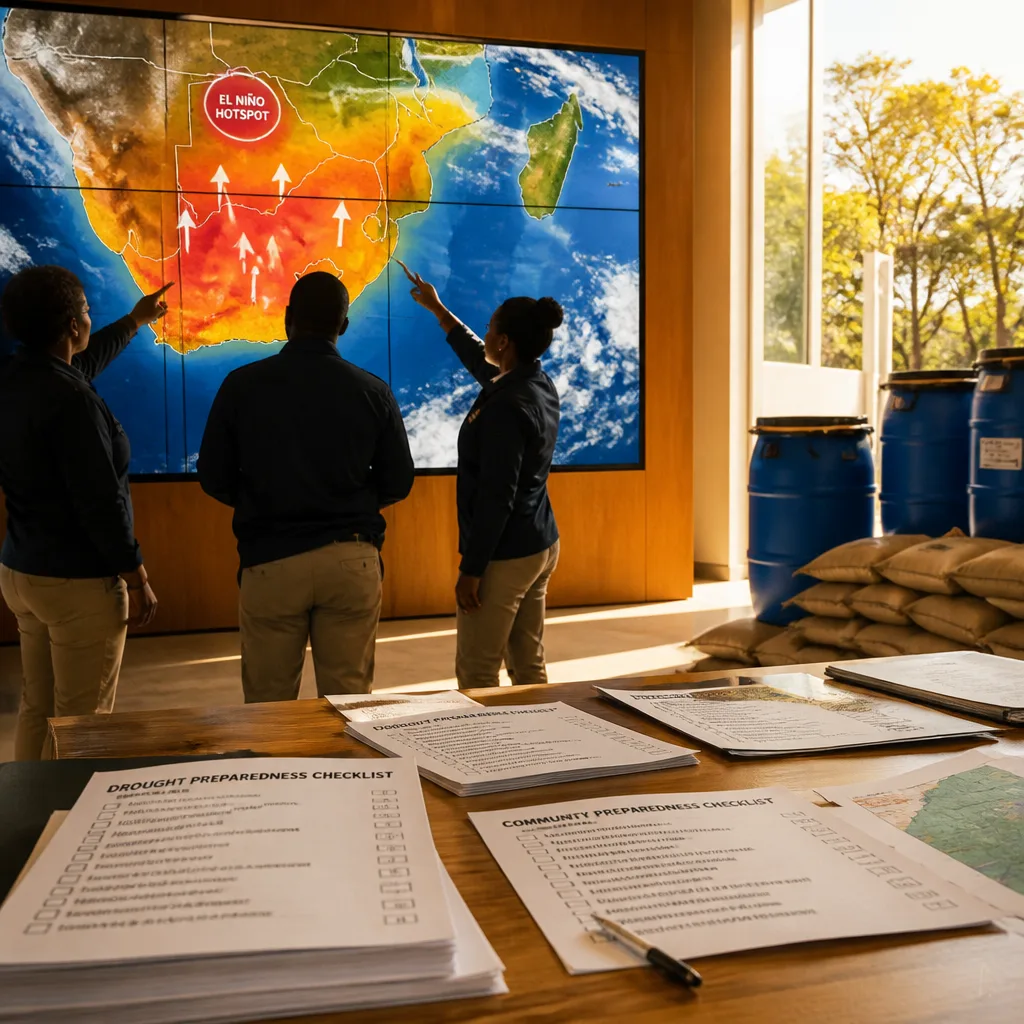
Prepare now: national and local authorities, farmers and communities are being urged to begin readiness measures immediately as the South African Weather Service (SAWS) and disaster management officials warn of a rapidly intensifying El Niño that could peak in late 2026 or early 2027. The key message is practical: turn forecast information into action to reduce likely impacts on water supply, agriculture and health.
What the agencies say
SAWS told media that the current El Niño event is already established and rapidly intensifying. Forecasts suggest it could become very strong by late 2026 or early 2027, raising the risk of below‑normal rainfall and above‑normal temperatures for parts of southern Africa during the coming summer.
The National Disaster Management Centre (NDMC) said preparedness must start before communities experience adverse effects, stressing that local risk assessments should guide decisions and responses. Coordination across government, agriculture, health and communities was emphasised as essential to reduce harm.
“Please help us turn information into action.”
University of Pretoria climatologist Prof Willem Landman confirmed that South Africa is already experiencing an El Niño event and that it has developed unusually early and strongly. However, SAWS and experts cautioned that a stronger El Niño does not automatically translate into a uniform drought or identical impacts across all regions.
Practical steps to take now
Authorities and specialists urged concrete preparedness measures rather than delay. Recommendations include:
- Municipalities and water authorities should review water supply contingency plans and accelerate conservation campaigns.
- Farmers are advised to review planting and irrigation plans, consider conservative input strategies and consult agricultural extension services for local guidance.
- Disaster management and health services should update response plans for heat, water stress and potential food security issues.
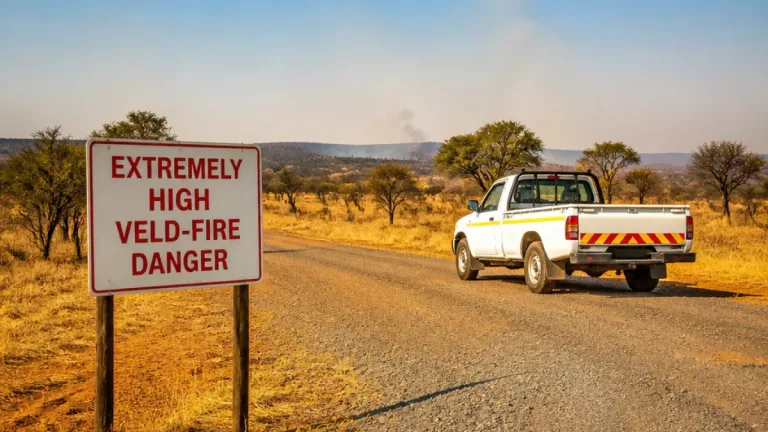
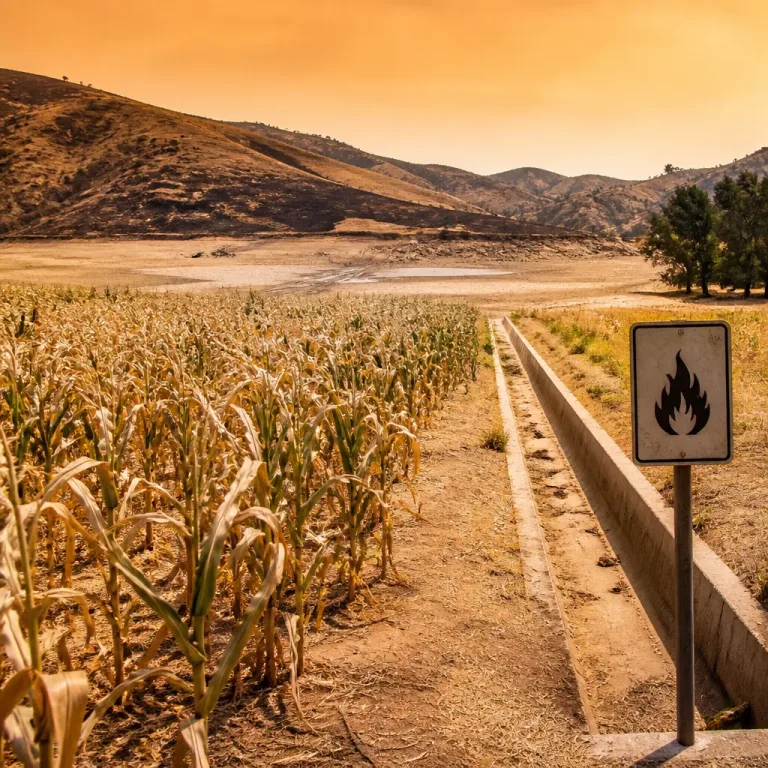
- Communities should be alerted to heat‑related risks, safe water practices and early warning channels for localised hazards such as wildfires.
SAWS and the NDMC emphasised that local conditions vary and that impact projections should be translated into local risk assessments to prioritise actions.
Risks and uncertainties
Experts highlighted two important points: first, forecasts indicate elevated risk of hotter and drier conditions in many areas, but not every area will experience drought or the same intensity of impacts; second, the timing and spatial distribution of rainfall deficits are uncertain and will require continuous monitoring.
| Issue | Implication |
|---|---|
| Rapid El Niño intensification | Higher probability of below‑normal rainfall and above‑normal temperatures |
| Sectoral risks | Water supply strain, crop stress, heat‑related health issues, wildfire risk |
| Timeframe | Potential peak late 2026 — early 2027; monitoring required |
Given these uncertainties, the NDMC urged authorities and communities to focus on preparedness measures that are flexible and scalable as conditions evolve.
Why this matters to households and businesses
A strong El Niño can affect daily life in several ways. Reduced rainfall and higher temperatures can strain municipal water provision, increase electricity demand for cooling, and raise the likelihood of crop losses or livestock stress. This can have knock‑on effects for food prices and livelihoods, particularly for smallholder farmers and informal settlements with limited access to services.
Households can start by conserving water, checking emergency plans, securing adequate supplies of essential medicines, and following local authority guidance on heat and fire safety. Businesses, particularly in agriculture and food supply chains, should review supply‑chain risks and contingency plans now.
SAWS, the NDMC and academic experts will continue to update forecasts and guidance. The central public instruction from the conference of climate, disaster and sector specialists was clear: use the lead time now to prepare rather than waiting for impacts to appear.
Stay informed: monitor SAWS forecasts and local disaster management notices, and act on local risk assessments and official advice.