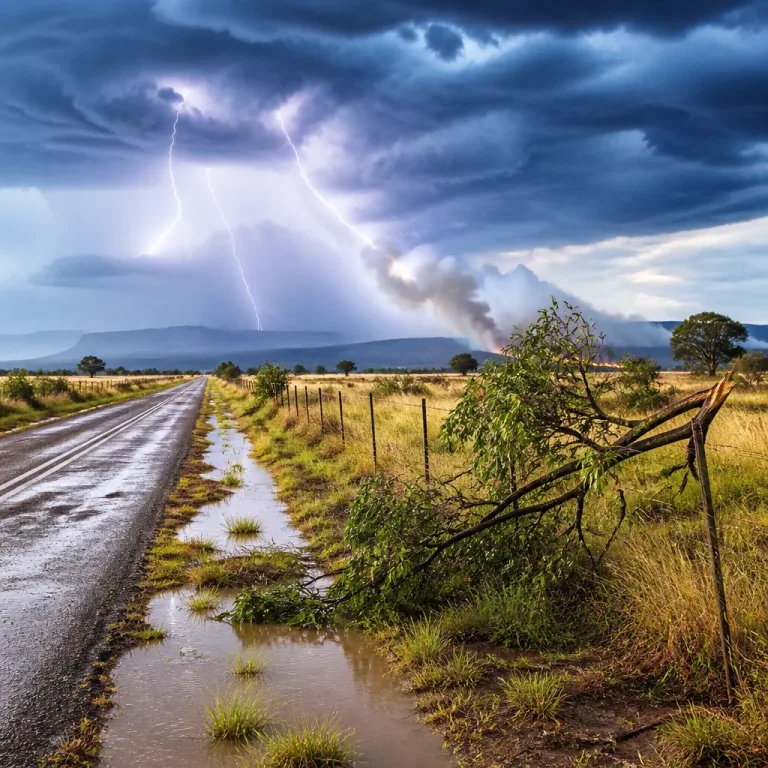
South Africa is facing a heightened risk of hotter than normal conditions and reduced summer rainfall as the South African Weather Service (SAWS) says an exceptionally strong El Niño is strengthening ahead of the 2026/2027 summer season. That combination typically brings above-average temperatures, more frequent heatwaves and lower-than-normal rainfall in areas that usually receive summer rains — outcomes that increase evaporation, lower dam levels and raise the likelihood of water restrictions later in the season.
What homeowners need to do first
Practical steps now can reduce the immediate impact of hotter, drier months. Homeowners should assess water security and act on measures that reduce dependence on municipal supply and keep households safe and functional during outages or restrictions. Key actions include:
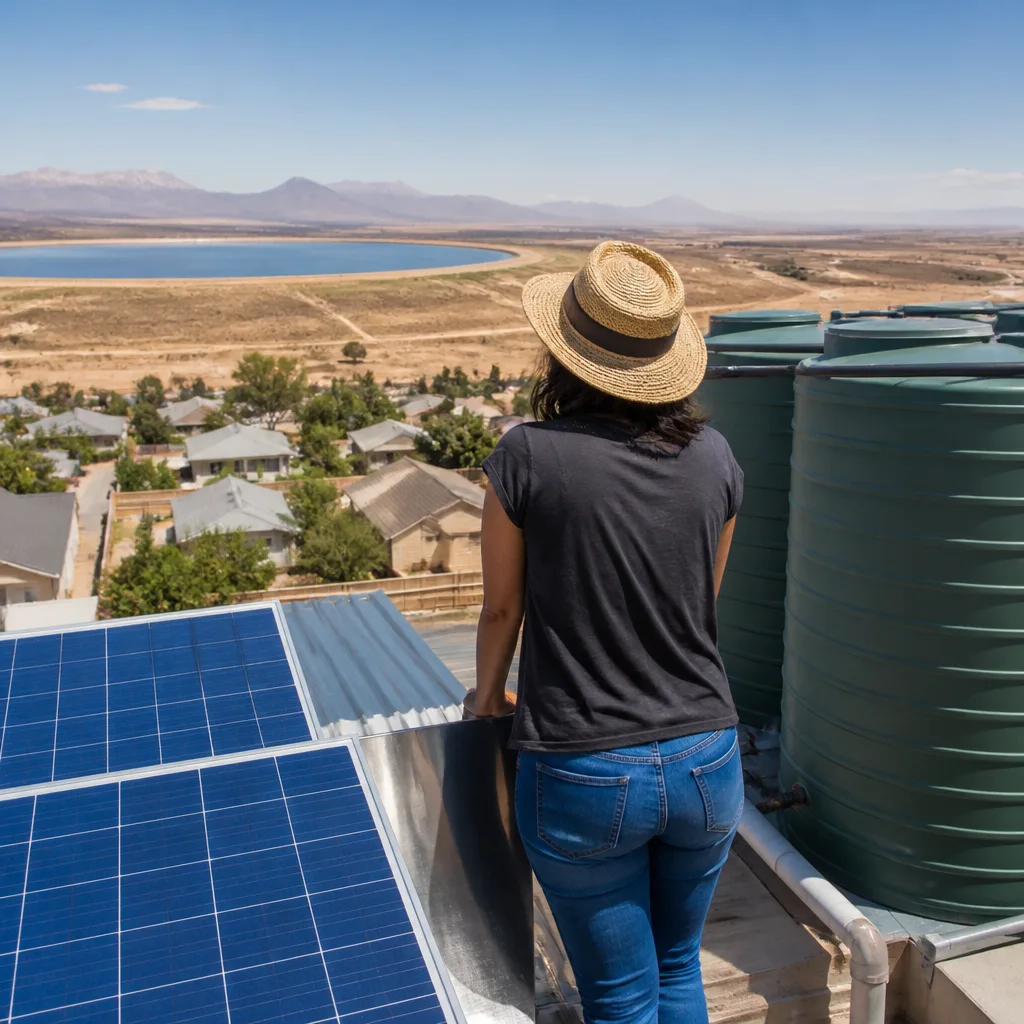
- Install or service rainwater-harvesting systems such as roof-connected tanks and gutters to capture runoff during sporadic rainfall.
- Create or expand greywater reuse systems for irrigation and flushing where permitted and safe.
- Check and upgrade plumbing to fix leaks and fit low-flow fixtures to reduce consumption.
- Prepare a household water contingency plan that includes short-term storage, priority uses and conservation rules for family members.
- Consider landscape changes such as drought-tolerant plants and mulching to reduce irrigation needs.
“Instead of seeing this as a negative, this presents a unique opportunity to add value to your property and ensure that it stands out from the rest in the neighbourhood,”
said Neil Abernethy of Tyson Properties, emphasising that water-security upgrades can also make homes more attractive to buyers.
Why this matters nationally
El Niño years are associated with both hotter conditions and variable rainfall patterns in South Africa. For households, the practical consequences are straightforward: increased evaporation accelerates dam-level declines and can put pressure on municipal systems, which may lead to scheduled or emergency water restrictions. Areas already experiencing unreliable services are likely to feel the effects sooner and more severely.
The memory of the 2015–2018 droughts in the Western Cape remains instructive: when rainfall fell short over prolonged periods, households and municipalities had to implement strict water-saving measures. SAWS’s warning that a strong El Niño is developing means households around the country should assume a higher risk of similar stress this coming summer and prepare accordingly.
How to prioritise improvements
Given budget and time constraints, prioritise measures that deliver immediate resilience and low ongoing maintenance:
- Water capture and storage: Even modest roof-connected tanks can supply toilets and garden needs during short disruptions.
- Leak detection and repair: Fixing leaks yields immediate reductions in use.
- Behavioural changes: Household routines (shorter showers, full laundry loads) reduce demand with no capital outlay.
Where households are considering selling or buying property, the presence of water-security features is becoming a selling point in many areas, the property sector representative noted.
Quick reference: likely impacts and household responses
| Likely impact | Household response |
|---|---|
| Higher daytime temperatures and more heatwaves (°C rises) | Shade, ventilation, cooling plans for vulnerable people, limit daytime outdoor work |
| Lower summer rainfall in summer-rainfall areas | Install rainwater tanks, reduce garden watering, switch to drought-tolerant plants |
| Increased evaporation and falling dam levels | Conserve water, check municipal notices, prepare short-term stored supply |
Practical preparedness and sensible conservation do not require panic. Start with simple checks and low-cost fixes, and scale up where feasible. Municipalities and water service providers will issue notices if restrictions are necessary; households should follow those notices and prioritise water for drinking, cooking and hygiene.
For those with specific needs — such as caring for infants, elderly people or those with medical conditions requiring water — factor those requirements into contingency plans and storage priorities. If in doubt about safe reuse or storage methods, consult municipal guidance or licensed plumbers to avoid health risks.
The SAWS advisory serves as an early-season prompt: prepare now to reduce disruption and protect household water supplies as the 2026/2027 summer unfolds.