South Africa is headed for a very strong El Niño this coming austral summer, with scientists warning that the event has developed earlier than normal and is expected to peak between October 2026 and January 2027. While the forecast raises the risk of significant weather impacts, experts emphasise large uncertainty over how the episode will affect different parts of southern Africa.
What the scientists say
The ENSO Reference Group — a collection of climate experts from South African research institutions and agencies — said in an August update that modelling and observations point to a very strong El Niño. The group highlighted unusually early warming in the Niño 3.4 region of the tropical Pacific, an important indicator of El Niño strength.
“All the above metrics demonstrate the unusual nature of this El Niño event with earlier than average warming in the Niño 3.4 region and global average records of global average SSTs being reported.”
The University of Pretoria’s modelling supports the timing of the peak between October and January. However, the ENSO Reference Group cautioned that each El Niño has unique characteristics and that other oceanic and atmospheric processes can amplify or reduce its local impacts.
What this means for South Africa
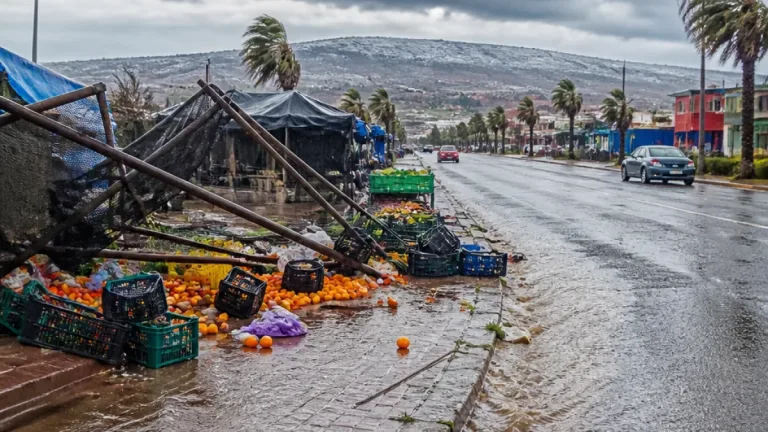
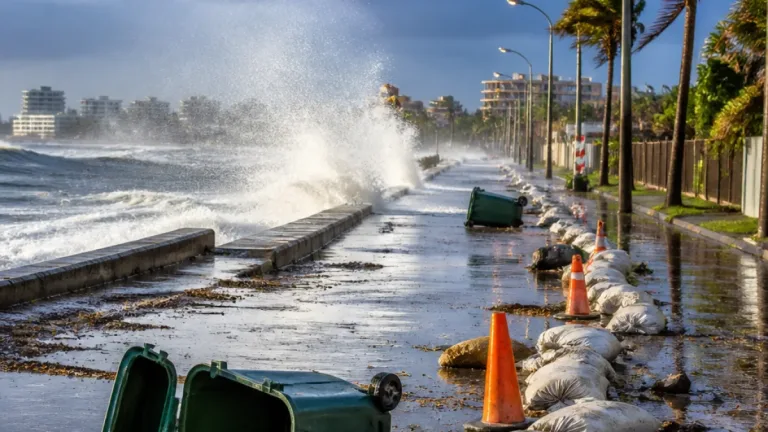
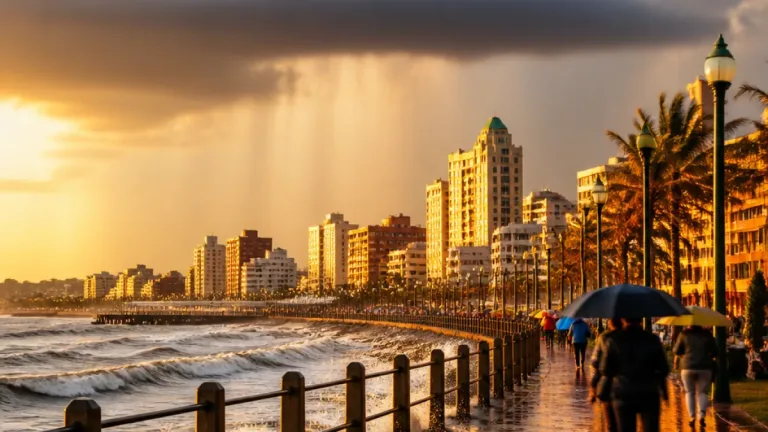
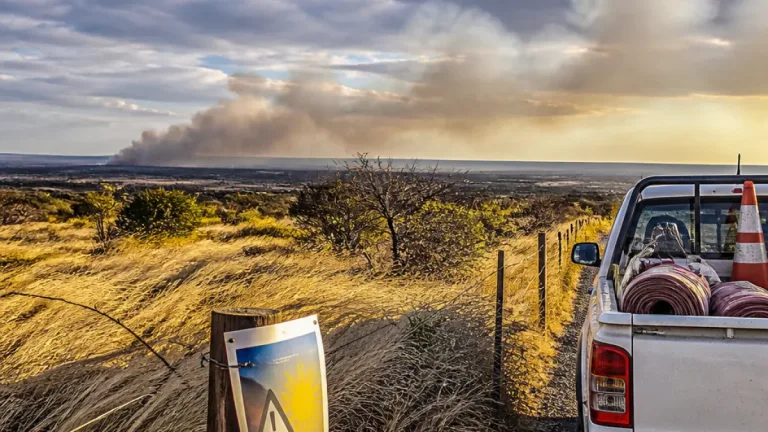
A very strong El Niño often influences rainfall, temperatures and extremes across the southern African region. The reference group noted recent unusual weather patterns, including extreme events earlier and later in the winter season, as well as a dry July in the winter-rainfall region. They said a fuller assessment of how this El Niño may manifest locally will be given at a planned summit.
- Peak period: October 2026–January 2027 (modelled by the University of Pretoria)
- Early signal: Unusually early warming in the Niño 3.4 region
- Uncertainty: Local impacts remain uncertain because each ENSO event interacts with other climate drivers
- Next update: ENSO summit on 10 September 2026
Practical advice and implications
At this stage, forecasters and authorities should use the lead time to review preparedness for climate-related risks. Practical measures that municipalities, farmers, emergency services and water managers should consider include:
- Reviewing water supply and storage plans in water-stressed catchments.
- Checking crop and livestock contingency plans, particularly in regions that may face below-average rainfall.
- Ensuring disaster-response agencies and municipal services have updated contingency plans for fires, floods and heat extremes.
- Monitoring official forecasts from the ENSO Reference Group, the University of Pretoria and the South African Weather Service for regionally specific guidance.
Because the precise regional impacts are uncertain, responses should be flexible and informed by frequent updates from meteorological and climate experts.
| Item | Timing |
|---|---|
| Observed early Niño 3.4 warming | Reported August 2026 |
| Projected peak of El Niño | October 2026–January 2027 |
| ENSO summit and fuller update | 10 September 2026 |
The ENSO Reference Group’s assessment underlines that while a strong El Niño is becoming likely, its ultimate effect on rainfall distribution, storminess and temperatures across provinces cannot yet be pinned down. South Africans are advised to follow official forecasts and heed safety messages from the South African Weather Service and other authorities as the season approaches.
Stay prepared: check local forecasts regularly, secure water and emergency supplies where possible, and ensure vulnerable infrastructure and communities are monitored and assisted in the weeks ahead.