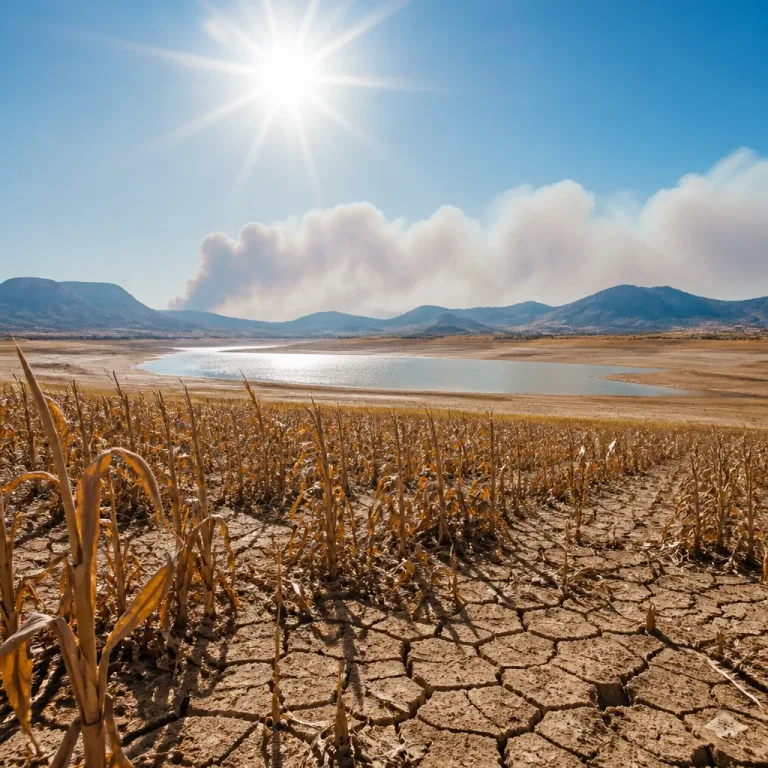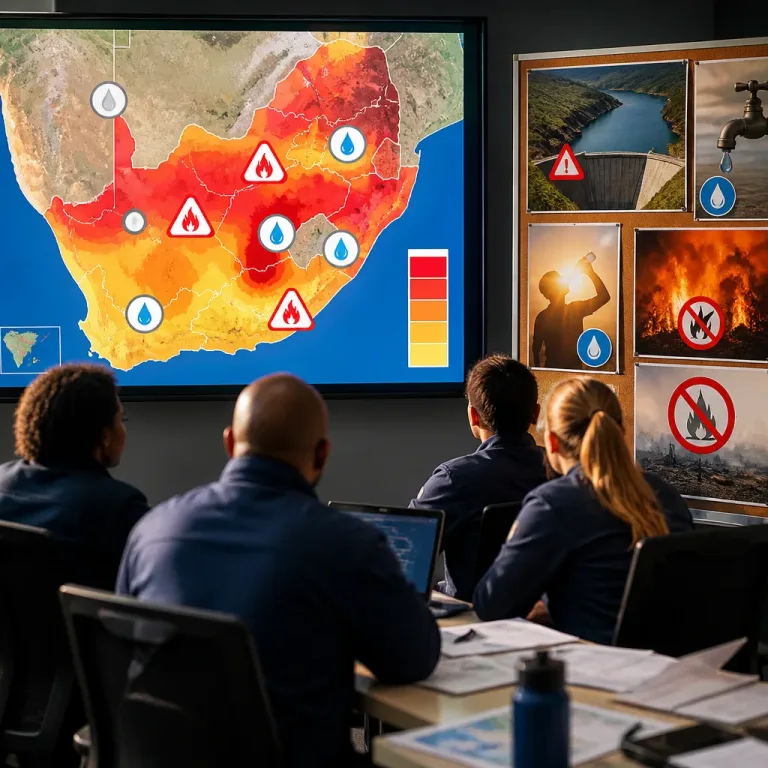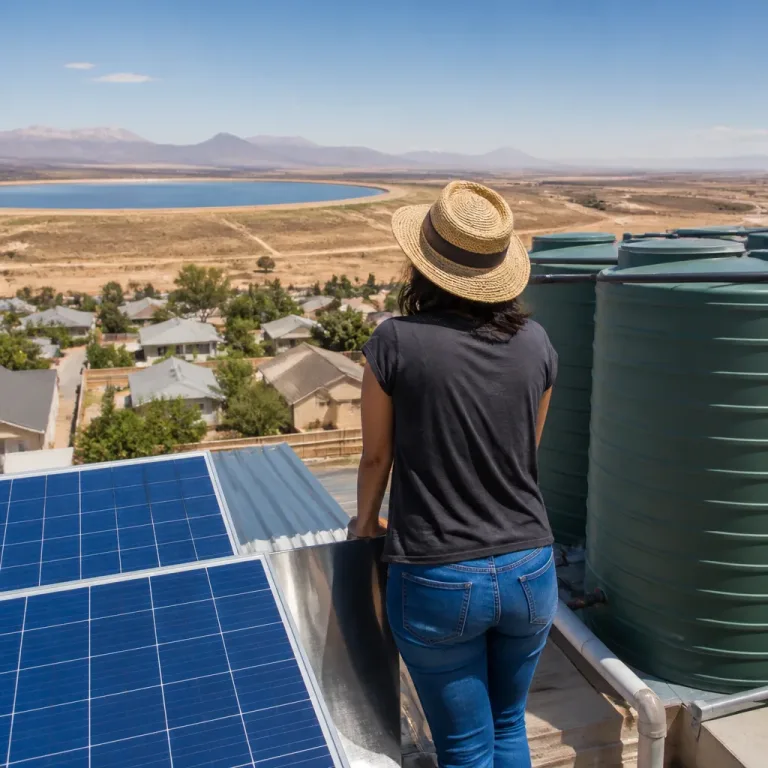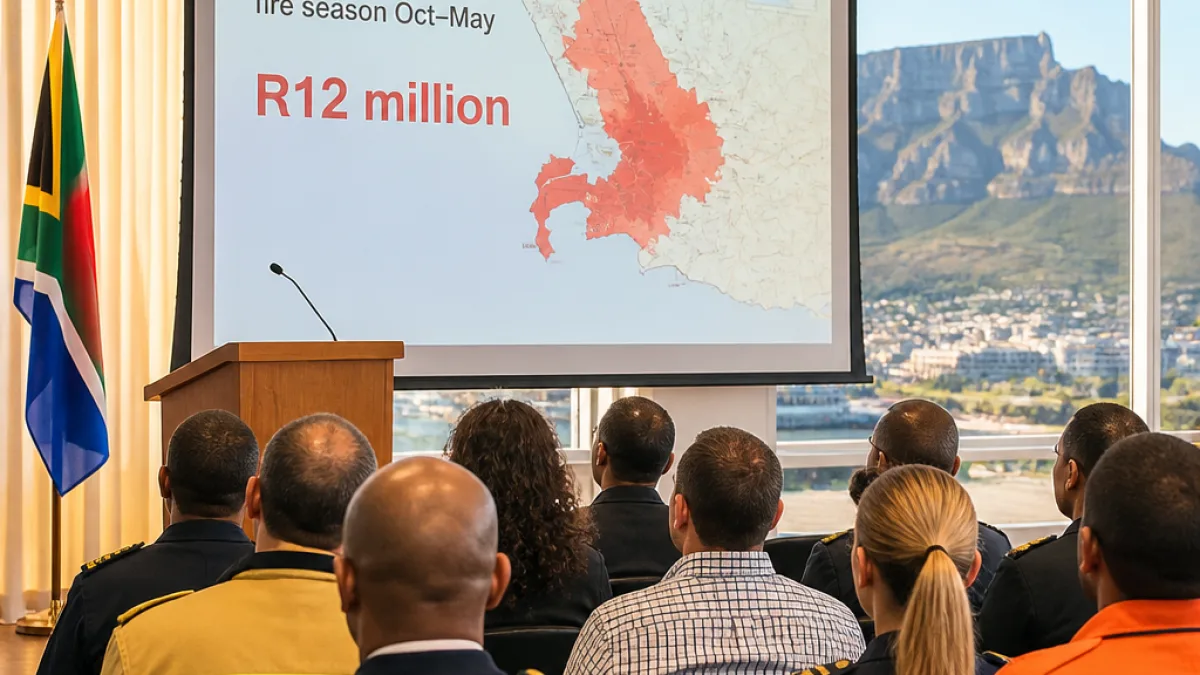
The Western Cape government says the province must regard wildfire risk as a long‑running threat rather than a brief summer problem as the current El Niño phase is expected to strengthen in the coming months.
El Niño, hotter days and an extended fire season
Premier Alan Winde hosted a provincial briefing this week on the Western Cape’s preparedness for the El Niño‑Southern Oscillation (ENSO) and the coming summer season. Officials warned that the combination of a strengthening El Niño, longer‑term climate shifts and changing rainfall patterns is likely to produce higher temperatures, elevated fire risk and increased pressure on already strained water supplies.
Local Government, Environmental Affairs and Development Planning MEC Anton Bredell told the briefing the province is likely to face a hotter summer and a wildfire season extended well beyond the traditional core months. Media reports quoted provincial sources as saying the old four‑month fire planning window has effectively become an eight‑month danger period — running, officials say, from October through to May.
Early warning signs: fires outside the usual calendar
Fire services have already seen early activity. Cape Winelands District Municipality crews responded this week to a large wildland fire in the Kogmanskloof area outside Montagu, an event the district mayor described as unusually early. Officials and municipal leaders warned that such incidents are an indicator of the season ahead.
Winde described the situation as a “call to action”, urging residents in fire‑prone areas to start preparing now, rather than waiting until smoke is already visible over the next ridge.
Funding and practical steps
News reports say the provincial government has set aside R12 million to respond to wildfires this summer. The allocation is intended to support firefighting capacity, municipal responses and immediate suppression efforts where fires threaten life, property and critical infrastructure.
Provincial officials emphasised prevention and readiness. Their public advice includes clearing combustible material around properties, ensuring access for emergency vehicles and checking that water sources and pumps are operational. Farmers and private landowners were singled out as needing to take extra precautions as conditions become drier and hotter.
- Check and clear vegetation within at least 10 metres of buildings where possible.
- Keep driveways and gates accessible for emergency services.
- Maintain water sources and firefighting equipment on farms and large properties.
- Follow advice from local fire services and municipal disaster management offices.
Water security pressure
Officials linked wildfire risk with broader water security concerns. A hotter, drier season could raise demand for water at the same time as supply becomes more variable. The briefing highlighted the need to coordinate water use and firefighting priorities, particularly in rural and peri‑urban areas where infrastructure is already under strain.
What this means for residents and municipalities
For residents, the message is clear: preparation now reduces risk later. Municipalities face the twin tasks of maintaining rapid response capacity while rolling out prevention measures and community awareness.
| Issue | Implication |
|---|---|
| Extended fire season (Oct–May) | Longer period for readiness, increased resource demands on fire services |
| Higher temperatures | Greater fire intensity and faster spread of wildfires |
| Water pressure | Competing needs for firefighting and essential municipal supply |
Provincial leaders framed the briefing as a call for co‑ordinated action between government, municipalities, farmers and households. With early fires already recorded, they said the time to prepare is now rather than when conditions deteriorate further.
The warning reflects a wider pattern of climatic change affecting the Western Cape: more hot days, fewer cold days and shifting rainfall, all of which complicate planning for households, farms and emergency services. The province faces the practical task of balancing immediate response funding with longer‑term resilience measures as the ENSO phase develops.
Residents in fire‑prone areas should monitor local municipal communications and keep emergency contacts and evacuation plans up to date. Municipal disaster management centres remain the first point of contact for local preparedness guidance and reporting incidents.
As the province moves towards a potentially prolonged fire season, officials say sustained vigilance and cooperation across sectors will be essential to limit loss of life, property and natural resources.