
Tourism rebound caps a strong year for the Western Cape economy
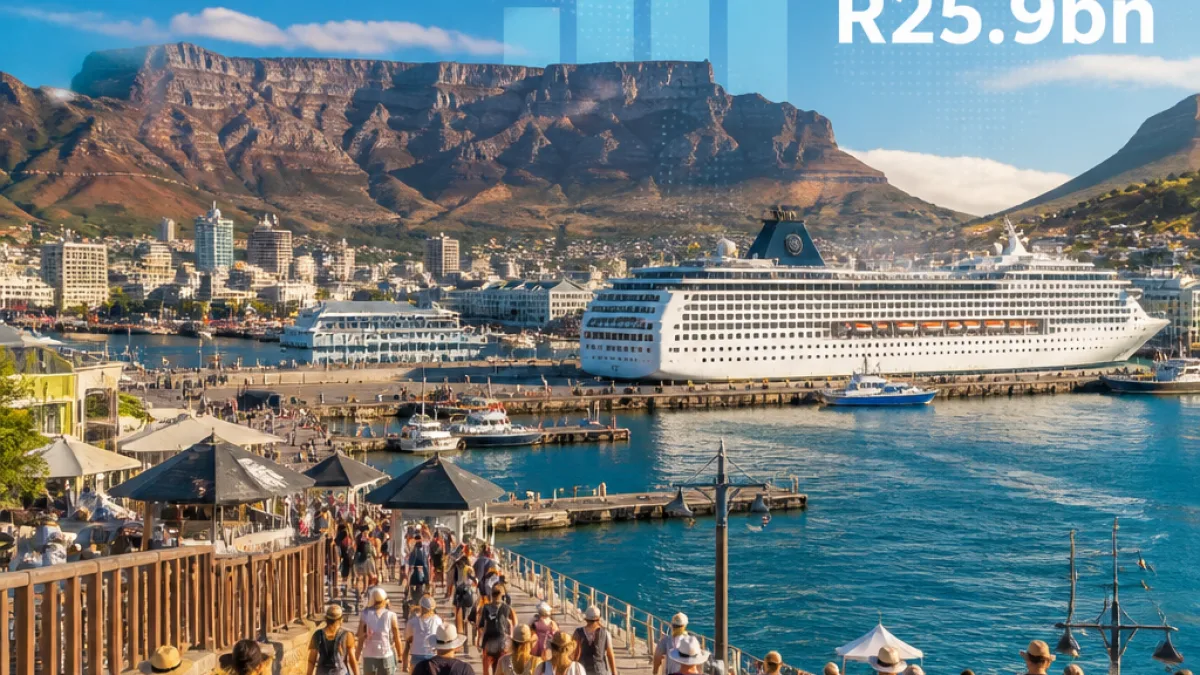
The Western Cape received 1.5 million international visitors in 2025, with those travellers spending almost R25.9 billion in the province, according to South African Tourism data released by the Western Cape Government. The figures were published as the world marked World Tourism Day on 27 September.
International arrivals to the province rose by 11.1% in 2025. The Western Cape accounted for roughly a quarter of South Africa’s international tourism revenue, underlining the province’s continued pull for overseas travellers.
Domestic travel growth strengthens the sector
International tourists were only part of the story. The province recorded about four million domestic overnight trips in 2025, a 15.4% increase on the prior year. The Western Cape also registered the country’s highest average spend per domestic overnight trip at R3 172.
Those numbers reflect a broad tourism offering stretching from Cape Town’s urban attractions to the winelands, coastal towns and outdoor experiences across the province. The data indicates not only a recovery in visitor volumes but also stronger spending per trip — a key metric for local businesses that rely on tourist income.
Source markets and government priorities
The Western Cape Government said the United Kingdom and Germany remained the province’s largest international source markets. Provincial officials signalled a renewed focus on translating visitor demand into sustained local benefits by encouraging visitor spending, promoting lesser-known destinations and supporting responsible tourism practices.
“The Western Cape’s tourism performance in 2025 confirms that our province remains a top choice for both international and domestic travellers,”
The quote above is attributed to Dr Ivan Meyer, Western Cape Minister of Agriculture, Economic Development and Tourism, in the provincial release accompanying the South African Tourism statistics.
What the numbers mean locally
For business owners in hospitality, retail and experiences, higher spend and increased trips should translate into greater turnover and employment opportunities — particularly when growth is spread beyond the usual hotspots. For communities in the winelands and along the coast, however, the challenge remains to convert seasonal or concentrated demand into year‑round, inclusive benefit.
Tourism is closely tied to the Western Cape’s natural landscapes, food and wine industries, and outdoor activities. Provincial strategy emphasises spreading visitors across the region and promoting responsible travel so that economic gains do not come at the expense of environmental or social pressures in popular destinations.
Key provincial tourism figures — 2025
| Indicator | Value (2025) |
|---|---|
| International visitors | 1.5 million |
| International visitor spend | R25.9 billion |
| Year‑on‑year international arrival change | +11.1% |
| Domestic overnight trips | ~4 million |
| Year‑on‑year domestic trip change | +15.4% |
| Average spend per domestic overnight trip | R3 172 |
Practical implications and next steps
Tourism recovery presents opportunities but also raises questions for planners and communities. Key areas for attention include:
- Encouraging dispersal of visitors so smaller towns and rural areas capture more economic benefit.
- Maintaining infrastructure — from roads to public amenities — to support increased visitor numbers.
- Balancing growth with environmental stewardship in sensitive natural areas.
The provincial government said its tourism strategy is focused on converting visitor numbers into broader economic benefits by encouraging spending, spreading visitors across more areas and supporting responsible tourism. How effectively those policy goals are implemented will shape the sector’s contribution to jobs and provincial growth in the year ahead.
The data released by South African Tourism and summarised by the Western Cape Government offers a snapshot of a tourism sector that has rebounded in both volumes and spend. For the businesses and communities that rely on it, the task now is to translate momentum into durable, inclusive gains.
City: Cape Town













