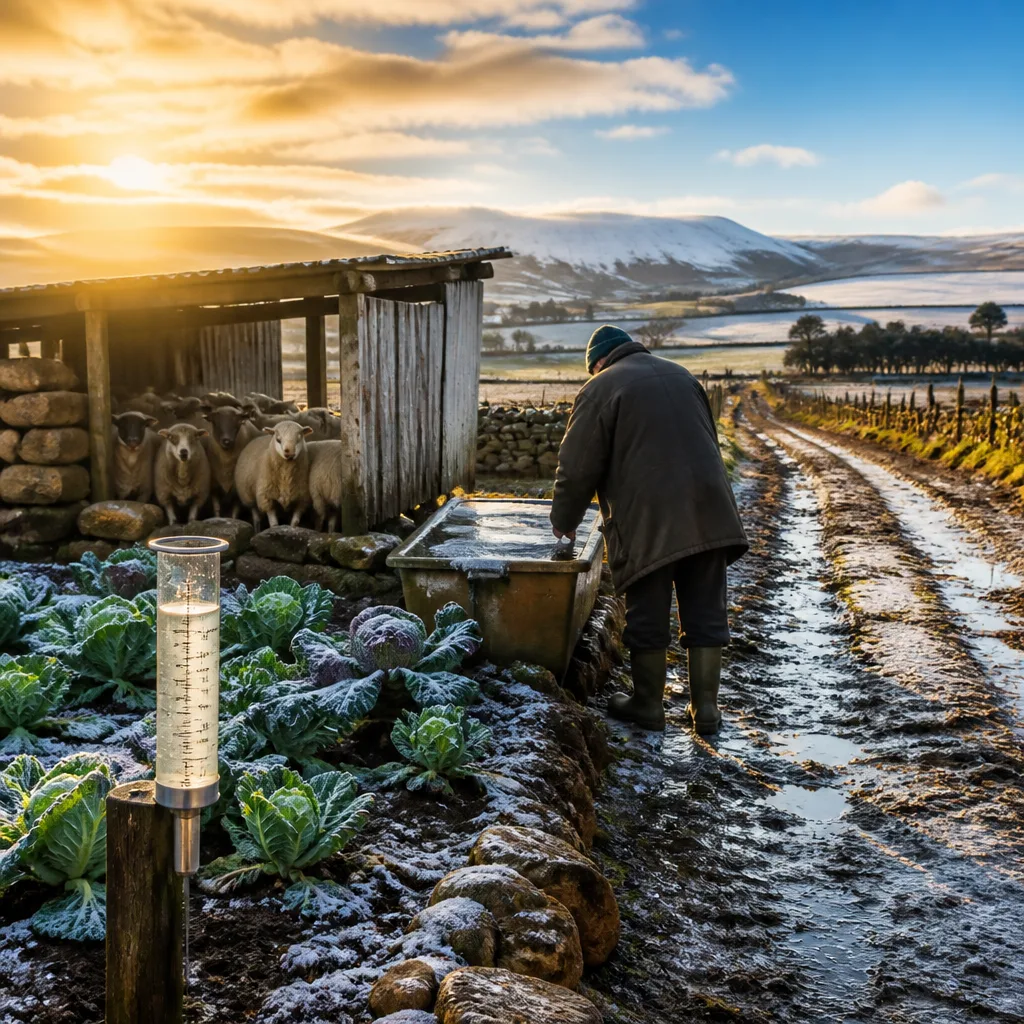
What you need to know now: the worst of the recent winter system has passed, but cold conditions persist across parts of the country. If you work with livestock or crops, check vulnerable animals and water supplies, protect newborn stock, and delay non-essential fieldwork until conditions moderate. Drive carefully on rural roads where frost or residual snow may create slippery patches.
Storm overview and areas affected
A powerful mix of a coastal cold front and an upper cut-off low brought wet, bitterly cold and windy weather to southern and central parts of South Africa this week, the South African Weather Service (SAWS) reported. The most impacted areas included parts of the Free State, Northern Cape, Gauteng, Mpumalanga, and the interior of the Eastern Cape and KwaZulu‑Natal.
Social media circulated footage of dramatic snowfalls in some districts. Ground reports from farmers suggest that, despite the official severe warnings, agricultural damage has been largely localised rather than widespread.
On‑the‑ground impacts for producers
Producers reported mixed outcomes. In the Eastern Cape a sheep farmer and spokesperson for Eastern Cape Agriculture, Eben du Plessis, described the event as a mixed bag: snowfall occurred but the situation stopped short of a broad-scale disaster. Du Plessis said he lost six lambs that were born on a cold night, but that he had not heard of major losses elsewhere and that roads are open and operations are returning to normal.
“The snow is gone; the cold has stayed behind. … I have not heard of any major losses. The roads are all open; I think the storms have passed, and we are ready to receive the spring already.”
Crop producers in some areas welcomed the moisture. Thulani Magida, a crop farmer in the Eastern Cape, reported receiving 30 mm of rain, which he said benefited his current cabbage crop and aided land preparation for September plantings.
Immediate actions for farmers and rural communities
Practical steps to reduce further losses while colder conditions linger:
- Check newborn and young stock for hypothermia; move them to sheltered, dry areas where possible.
- Ensure drinking troughs and water points are accessible and free of ice.
- Delay heavy fieldwork on wet soils to avoid compaction and rutting; wait until fields dry sufficiently.
- Monitor weather updates from SAWS and heed local advisories on road conditions.
Context and consequences
Winter systems like this can offer both risks and benefits. While strong winds, snow and low temperatures can cause animal losses and damage infrastructure, measured rainfall—where it falls at the right time—can support winter crops and early land preparation for spring sowing. Farmers in the affected areas reported that, in places, the precipitation was beneficial to crops already in the ground.
Authorities and agricultural support services will need to keep assessing damage claims and provide guidance where necessary. At this stage the reporting from producers in the field indicates mainly localised impacts, with some isolated livestock losses and positive moisture gains for cropping operations.
Weather monitoring and next steps
Stay tuned to SAWS for updates. If you are in rural areas that experienced snow or heavy frost, routinely inspect fencing and water systems for weather‑related damage. If you encounter significant livestock losses or infrastructure damage, contact your provincial agricultural office to register impacts and enquire about available support and advice.
| Region | Reported impacts |
|---|---|
| Eastern Cape | Snowfall in places; six lambs lost on one farm; 30 mm rainfall reported on one crop farm |
| Free State, Northern Cape, Gauteng, Mpumalanga | Wet, cold and windy conditions; localised damage reported |
Remember: short-term cold snaps can follow snowfall. Check and insulate vulnerable stock, keep an eye on young animals and pregnant livestock, and postpone non-essential outdoor work until temperatures and ground conditions improve.