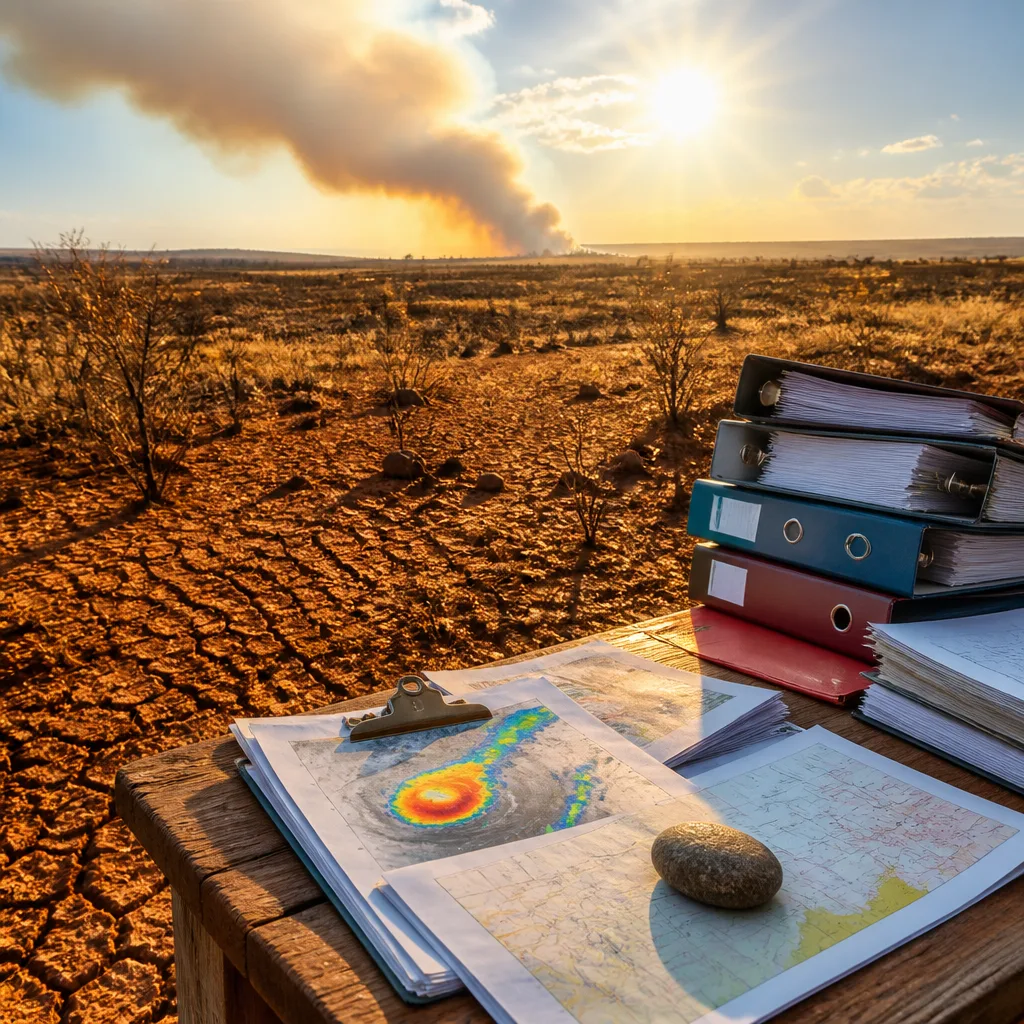
South Africa has been put on alert as meteorological indicators point to a developing strong El Niño, a climate pattern that typically changes rainfall and temperature patterns and raises the risk of drought, heatwaves and fires.
What is happening and why it matters
CNBC Africa reported on 2 September 2026 that a strong El Niño is developing and that the warning is already prompting the insurance industry to ready itself for more frequent or severe weather events. While forecasters cannot say exactly where or when damage may occur, the early warning provides time for contingency planning.
El Niño events typically shift weather patterns across southern Africa. The practical consequences can include below‑average rainfall in some regions, higher temperatures, an extended dry season and, in other areas, an increased chance of sudden intense storms. For South Africans, the most immediate hazards are:
- Heightened fire risk in dry, bush and grassland areas due to hotter, drier conditions.
- Increased likelihood of drought, which affects water supply, agriculture and grazing.
- Extreme weather swings, including isolated heavy storms that can cause flooding and damage infrastructure.
Insurance and economic implications
CNBC Africa said the El Niño warning is already engaging insurers and underwriting firms. The sector cannot predict the exact location of a catastrophe, but the alert allows insurers to assess exposure, review reinsurance commitments and plan for higher claims. That preparedness may ultimately affect premiums and the affordability of cover for households and businesses.
Practical steps insurers may take — and which policyholders should watch for — include strengthened loss‑adjustment teams, early engagement with reinsurers, region‑specific risk modelling and public messaging on risk reduction. Policyholders should ensure their cover is up to date and understand any exclusions related to weather and fire.
What people should do now
Authorities, businesses and households can take sensible precautions to reduce risk without alarm. Key actions include:
- Review emergency and evacuation plans, particularly for residents in fire‑prone or flood‑prone areas.
- Check insurance policies for cover levels, excesses and any clauses linked to drought or wildfire.
- Reduce fire risk around homes: clear dry vegetation, keep gutters and rooflines free of debris, and have firefighting equipment handy where possible.
- Conserve water and follow municipal water‑use notices should drought conditions develop.
- Stay informed: follow official weather updates from SAWS and advisories from local authorities.
These measures are practical and aimed at reducing harm and costs if adverse conditions materialise.
Context and consequences for the season
El Niño is not a single event but a climate driver that can affect an entire season. Its influence can vary across provinces — some may experience drought and heat, while others face episodic heavy rainfall and storms. The net effect often includes strain on water resources, agricultural production and increased pressure on emergency services.
For the insurance sector, a strong El Niño season can translate into higher claims for fire and storm damage, increased reinsurance costs and upward pressure on premiums. For households and small businesses, that raises concerns about affordability and restoration timelines after loss.
| Potential impact | Who should act |
|---|---|
| Wildfire and veldfire | Homeowners, farmers, municipalities |
| Drought and water restrictions | Households, agriculture, municipalities |
| Isolated heavy storms and flooding | Local government, road authorities, residents in low‑lying areas |
Early preparation can reduce damage, speed recovery and limit cost escalation. SAWS will publish forecasts and warnings for specific regions as the season unfolds; those bulletins should guide local responses.
In the coming weeks, follow updates from SAWS and statements from industry participants for more detailed, region‑by‑region guidance. Being proactive — not panicked — will be the most effective response to the elevated risks a strong El Niño brings.