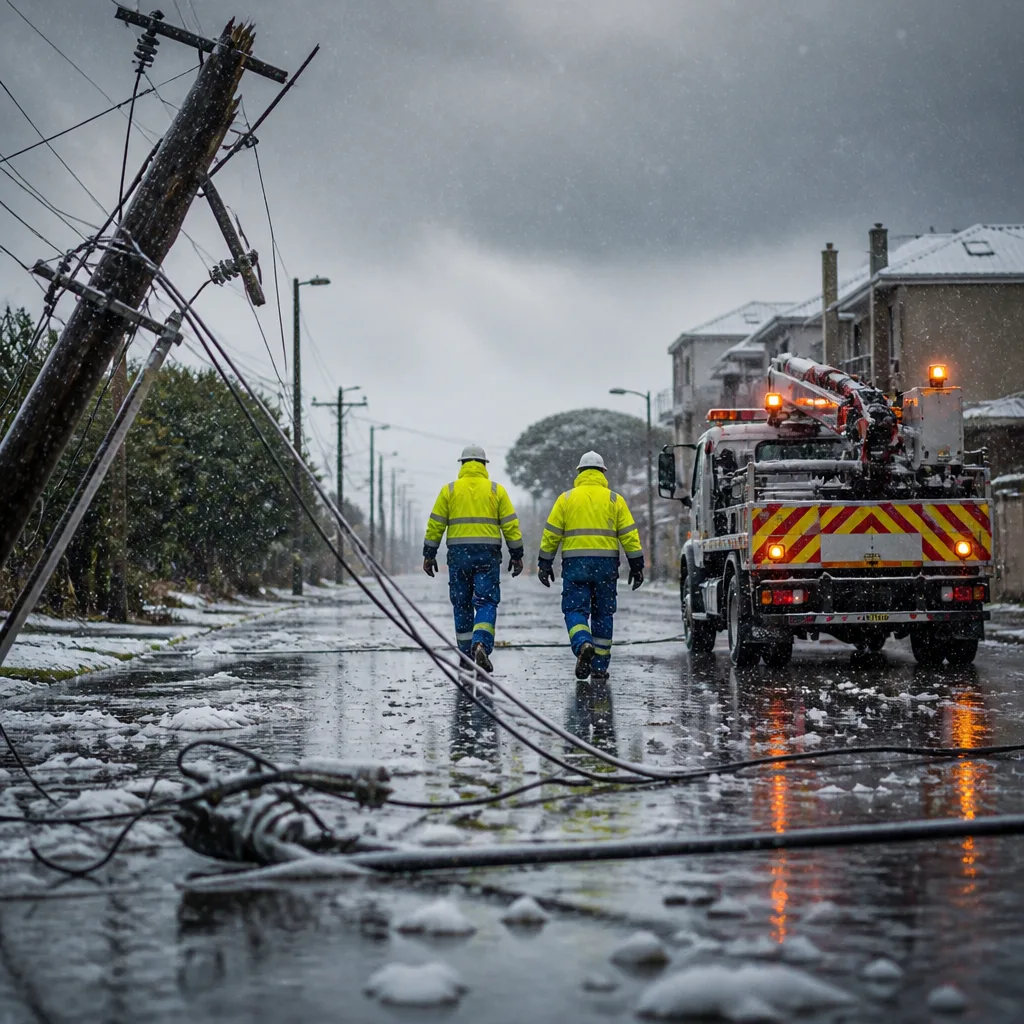
A severe cold front sweeping parts of the country has put electricity networks under heavy pressure, forcing utilities to respond to thousands of fault calls while warning residents to take care around damaged infrastructure.
What is happening now
City Power in Johannesburg is receiving between 2,000 and 3,000 outage calls across its eight service delivery centres, the utility said, as freezing temperatures increase the use of heaters, geysers and electric blankets.
"The cold has pushed up the use of heaters, geysers and electric blankets, placing additional pressure on transformers, mini‑substations and cable networks."
Across the country, heavy rain, snow and flooding have also caused weather‑related faults that have left many communities without power. Eskom reported that approximately 40,000 customers in KwaZulu‑Natal have had power restored after faults caused by heavy rain and snow, but warned that some areas remain without electricity.
Where outages and disruptions are being reported
Utilities say crews are working around the clock, but damaged infrastructure and hazardous conditions slow repairs. The areas cited in the initial reports include:
- Gauteng — City Power is recording high outage volumes in Lenasia, Hursthill, Randburg and Reuven.
- KwaZulu‑Natal — Heavy rain and snow caused faults; Eskom restored power to many customers but some remain without supply.
- Eastern Cape — Flood‑affected communities in the Sarah Baartman District, Nelson Mandela Bay, Amathole and Buffalo City are working with municipal and Eskom teams to restore electricity amid road closures and hazardous conditions.
Restoration teams face obstacles including closed roads, low‑water bridges and inaccessible areas. Utilities warned that further outages are possible while repairs continue.
Practical safety and energy‑use guidance
With demand rising and the network under strain, residents are advised to follow basic safety and conservation measures to reduce risk and help stabilise supply:
- Reduce unnecessary use of high‑power appliances (heaters, geysers, kettles) during peak hours.
- Avoid placing heating appliances near flammable materials and never leave them unattended.
- Stay clear of fallen power lines and report them to SAPS or the local municipality; assume a downed line is live.
- If you are in an area with floodwater, avoid contact with electrical equipment and report faults to your municipal or Eskom contact centre.
- Keep mobile phones charged for emergency communication and have torches and blankets ready; do not use candles unattended.
Response and ongoing risks
Utility technicians remain deployed where conditions permit, but heavy weather and blocked roads hamper rapid access to some affected neighbourhoods. In some cases, mini‑substations and transformers have been overloaded by the spike in heater and geyser use, increasing the risk of further faults.
Authorities emphasised that while many customers have had power restored, ongoing cold and wet weather mean the situation could change quickly. Municipal teams and Eskom are coordinating responses in flood‑hit districts of the Eastern Cape and communities cut off by snow or rain in KwaZulu‑Natal.
| Province | Reported problems | Current status |
|---|---|---|
| Gauteng | High outage volumes (Lenasia, Hursthill, Randburg, Reuven) | Technicians deployed; ongoing calls between 2,000–3,000 |
| KwaZulu‑Natal | Faults from heavy rain and snow | About 40,000 customers restored; some remain without power |
| Eastern Cape | Flood‑affected areas with road closures | Municipal and Eskom teams restoring supply where safe access is possible |
Residents are urged to follow official channels for updates from their municipality or Eskom and to heed warnings about damaged infrastructure. Avoid travelling into flood‑affected or snow‑blocked areas unless absolutely necessary, and keep a safe distance from repair crews and equipment.
The cold front is likely to keep pressure on the network while people take measures to stay warm. Limiting high‑demand appliance use during peak periods and observing basic electrical safety can reduce the risk of further outages and protect lives.