South Africa faces a narrow window to tackle long‑standing structural problems as joblessness, fuel volatility and logistics inefficiencies converge to squeeze households and businesses.
Numbers that bite into household budgets
The official unemployment rate has risen to 33.6%, leaving roughly 8.5 million South Africans without work. Youth unemployment stands at a sharply higher 47.4%, while the expanded unemployment rate — which captures discouraged and underemployed people — sits at 43.8%.
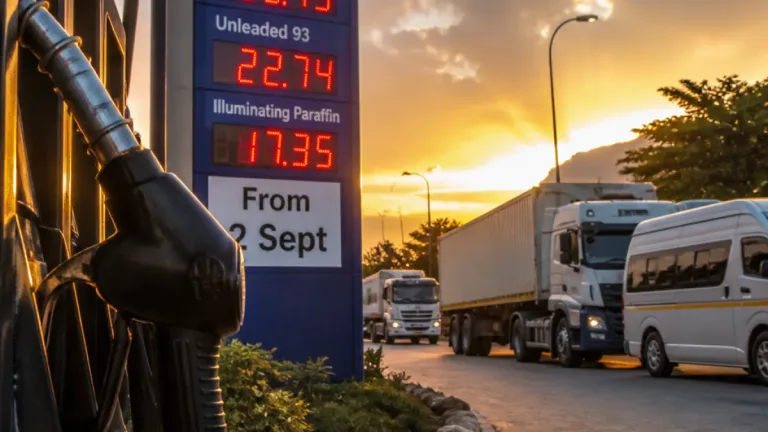
At the same time, headline inflation eased to 4.3% in July from 5.0% in June. That drop was driven largely by lower fuel prices month‑on‑month: petrol fell 7.1% and diesel 11.7% between June and July. But on a year‑on‑year basis, petrol remained 19.3% more expensive and diesel 28.8% higher.
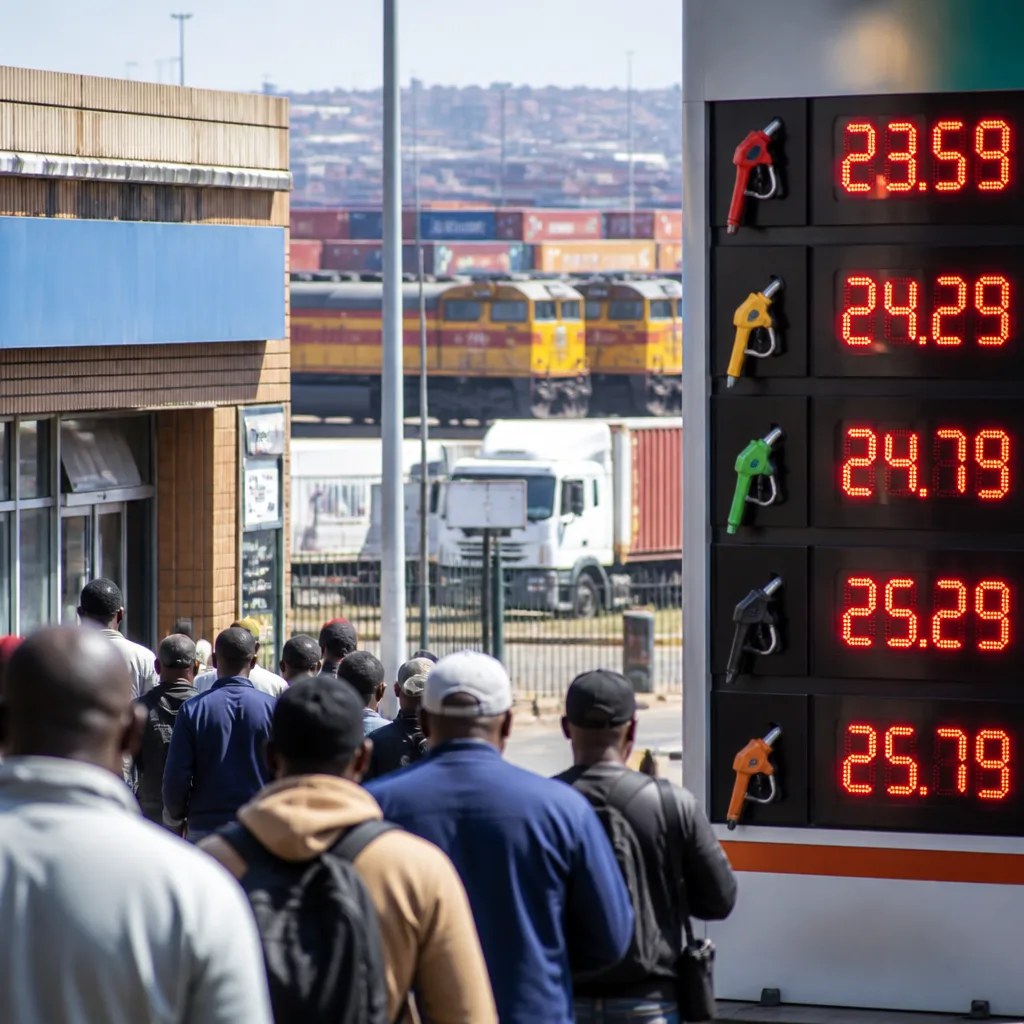
Forecasters and market signals point to renewed pressure on fuel: current indications suggest a potential diesel increase of about R3 a litre in September. For households and firms that rely on road transport, diesel is both a direct cost and an input into the price of goods and services.
Logistics losses and the growth gap
Infrastructure and logistics inefficiencies are a central theme. A figure often cited — and referenced by the President in March — is that South Africa loses around R1-billion a day because of logistical bottlenecks, equivalent to about R365-billion a year. Whether using that exact number or a more conservative estimate, the implication is the same: inefficient movement of goods raises costs, depresses exports and deters investment.
Economists and business leaders argue that these frictions are a core reason the economy struggles to generate sufficient growth and jobs. Interest‑rate policy cannot fix broken port operations, stalled rail links or ageing refineries.
What the key figures mean
- Unemployment (33.6%): Large numbers of people with no steady income, increased dependence on social grants and downward pressure on consumer demand.
- Youth unemployment (47.4%): A long‑term risk to skills development and social stability if the labour market cannot absorb young entrants.
- Fuel price volatility: A direct hit to transport operators, farmers, manufacturers and retailers — sectors that pass input costs to consumers.
- Logistics losses (R1-billion/day): A sustained drag on competitiveness, lowering returns to exporters and undermining investment decisions.
| Indicator | Latest | Prior/Comment |
|---|---|---|
| Unemployment | 33.6% | ~8.5 million unemployed |
| Youth unemployment | 47.4% | Almost half of young labour force |
| Headline inflation (July) | 4.3% | Down from 5.0% in June |
| Diesel/month change (June–July) | -11.7% | But +28.8% year‑on‑year |
Policy choices and the investment shortfall
The piece underlines that South Africa’s problem is not a single shock but a longer‑term growth and investment deficiency. If logistics inefficiencies are costing the economy the order of R365‑billion a year, that erodes margins for exporters, raises prices for consumers and discourages domestic and foreign capital from committing to new projects and jobs.
Fixing these bottlenecks requires coordinated public and private investment in ports, rail, roads and energy, as well as faster, more predictable regulatory decisions. The government will have to weigh fiscal constraints — including a public debt trajectory that remains elevated — against the economic cost of inaction.
For households, the immediate worry is real incomes. Even where headline inflation has eased, persistent year‑on‑year increases in petrol and diesel, and the risk of another diesel spike, will push transport and food costs higher. That combination makes it harder for job creation to translate into improved living standards.
WE NEWS does not provide financial advice. Policymakers face a narrow window to accelerate reforms and investment so that growth can start to absorb the millions out of work and shield households from further price shocks.