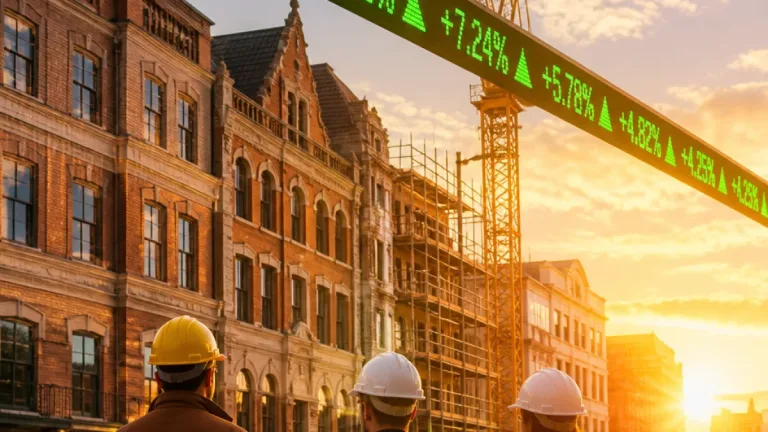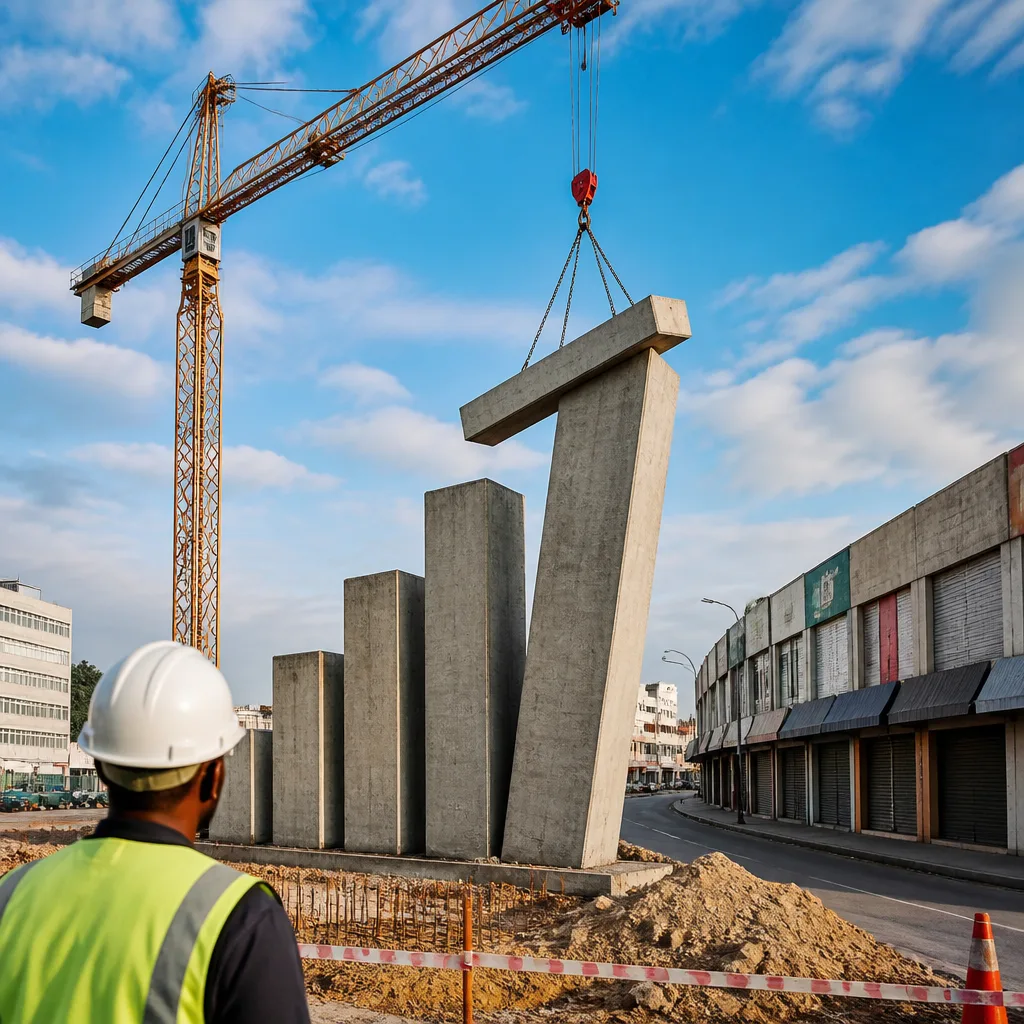
South Australia’s economy has slowed markedly, with the latest growth figure at 0.5% compared with 1.3% a year earlier, highlighting that public construction projects are doing much of the heavy lifting while private investment wanes.
Growth increasingly government-led
Economic activity in the state has shifted: after posting some of the faster growth and strongest consumer spending in recent years, South Australia is now among the slowest-growing states. The source data show that falls in business investment have left government construction spending as the primary driver of remaining growth.
- State growth: 0.5% (most recent), down from 1.3% a year earlier.
- Wage trends: SA Wage Price Index growth 3.6% annually — the highest across the states.
- Inflation and real wages: annual inflation runs at 4.2% in SA, outpacing wage growth so real wages have fallen.
- Unemployment: SA at 4.1%, remaining one of the lowest rates nationally.
The pattern is familiar: when private business confidence and investment weaken, public sector capital spending can sustain headline growth for a time. But the composition matters for jobs, productivity and household finances — construction projects create jobs and incomes, yet they do not necessarily translate into broad-based private-sector expansion.
Labour market and household implications
The latest Wage Price Index shows SA wage increases of 3.6% over the year, marginally above the national 3.2% figure. Yet inflation in the state is higher at 4.2%, meaning workers’ purchasing power has been eroded: real wages have fallen, leaving households worse off despite nominal pay gains.
Unemployment in South Australia sits at 4.1%, one of the lowest rates among the states, even as the national rate nudged higher to 4.5%. That mixed picture — relatively tight labour markets but squeezed real wages and slowing private investment — is important for household budgets and consumer demand going forward.
Business confidence has softened
Business sentiment indicators point to a deterioration in conditions, albeit less severe than in some other parts of the country. The NAB business conditions index for SA has declined after peaking in 2025. Similarly, the SA Business Chamber’s Survey of Business Expectations recorded a near five-percentage-point uptick in confidence in the June quarter and shows confidence above national averages — but the survey also notes confidence remains at its lowest absolute levels since the COVID-19 pandemic.
These nuances matter. A comparatively better confidence reading does not erase the fact that investment intentions have weakened and that headline growth is now reliant on public sector construction — a less durable form of expansion if private firms do not step up investment.
| Indicator | South Australia | National |
|---|---|---|
| Recent GDP growth | 0.5% | — |
| Wage Price Index (annual) | 3.6% | 3.2% |
| Inflation (annual) | 4.2% | 3.8% |
| Unemployment rate | 4.1% | 4.5% |
Policymakers will be watching whether government-led construction can transition into broader private-sector activity. If public projects are short-lived or narrowly focused, their effect on sustainable job creation and productivity will be limited. Conversely, well-targeted infrastructure can unlock private investment if it improves capacity and lowers business costs.
For households the immediate reality is clear: nominal wage gains are being outpaced by inflation, eroding real incomes and constraining spending. That will weigh on retailers and services sectors unless wages or price pressures move favourably.
In short, while South Australia’s growth picture is not as weak as in some jurisdictions, the reliance on government construction and the gap between wages and inflation are warning signs for the durability and inclusiveness of the recovery.
WE NEWS does not provide financial advice.