Major Middle Eastern oil producers have adopted a covert shipping tactic to protect exports from Iranian drone threats, switching transponders off and using US naval escorts for night-time passages through the Strait of Hormuz, according to reporting by CNN and the US Department of Energy.
How the tactic works
The manoeuvre was observed after the Greek-owned Very Large Crude Carrier Kiku loaded crude at Qatar’s Mesaieed export terminal on 25 July. The ship passed the Strait of Hormuz four days later. On 31 July the Kiku’s automatic identification system (AIS) transponder was switched off and the vessel disappeared from public tracking systems, only to reappear on the far side of the strait on 1 August.
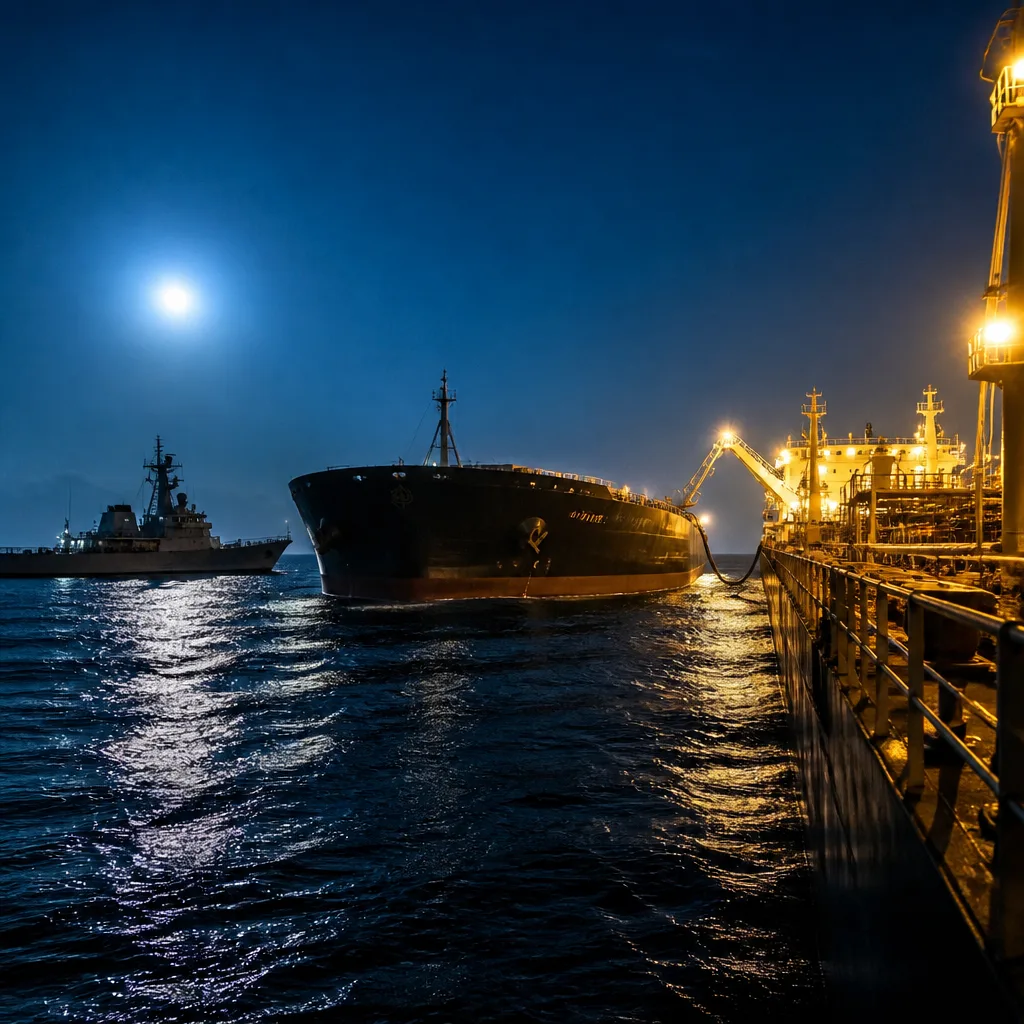
That sequence illustrates the new pattern: producers charter tankers, turn off AIS positioning feeds to avoid being tracked, move crude through the strait under US military escort and then transfer cargo to customer-owned vessels in the Gulf of Oman via ship-to-ship operations. The arrangement places the physical and insurance risk on the producing nations and the US Navy rather than on commercial shippers.
"It has become an effective strategy," the US Department of Energy said, noting measured traffic through the Strait of Hormuz has averaged between 8 million and 9 million barrels per day.
What the numbers mean
The DOE figure is striking because it is roughly double the level suggested by transponder-based trackers such as Kpler and some Wall Street analysts. That discrepancy — produced by deliberate transponder shutdowns and unreported ship-to-ship transfers — implies that publicly available AIS data may significantly undercount actual flows from the Gulf.
| Measure | Reported value |
|---|---|
| DOE estimate of flow through Strait of Hormuz | 8–9 million barrels per day |
| Transponder-based tracking (publicly reported) | About half of DOE estimate, according to reporting |
The practical implication is that global crude supply may be healthier than some trackers indicate when transits are conducted ‘dark’. For markets, that can dampen price spikes caused by perceived shortages — though it shifts the burden and risk profile onto state players and on the US military providing escorts.
Security trade-offs and costs
The tactic followed an attack on the Kiku a month earlier by an Iranian drone that failed to detonate, according to the reporting. That risk has prompted Saudi, Kuwaiti, Qatari and Emirati companies to accept the additional cost and diplomatic complexity of running their own escorted shipments rather than relying on commercial carriers and traditional insurance mechanisms.
- Risk shift: From commercial shippers and insurers to oil producers and the US Navy.
- Operational change: Regular ship-to-ship transfers in the Gulf of Oman to hand cargo to customer vessels.
- Data gap: AIS shutdowns mean public shipping trackers may understate actual flows.
For insurers and commodity markets, this is significant. Insurers price for navigational and wartime risks through higher premiums; by internalising the threat, producers potentially avoid prohibitive market premiums but increase their direct costs and exposure. The US naval involvement also ties Washington more directly into the logistics of Gulf energy exports.
Why it matters to South Africa
South Africa’s fuel prices are set in a global context. Any sustained disruption or bottleneck in Gulf exports can lift international crude prices, which filter through to the petrol price at the pump and add to household and business energy bills. Conversely, the DOE’s assessment that flows remain at 8–9 million barrels per day suggests market supply has been preserved despite regional tensions — a factor that can help limit upward pressure on global fuel costs.
Still, the new approach raises questions about the long-term costs and political risks of state-managed, escorted shipments, and whether commercial insurance markets and maritime transparency will resume normal roles if tensions escalate. For South African consumers and businesses, the immediate takeaway is that oil markets are being actively managed to avoid acute supply shocks, but the hidden nature of those movements complicates independent verification and market sentiment.
WE NEWS does not provide financial advice. This report summarises the operational shift observed in Gulf shipping and the Department of Energy’s estimate of flows; it does not project future prices or policy moves beyond the cited reporting.