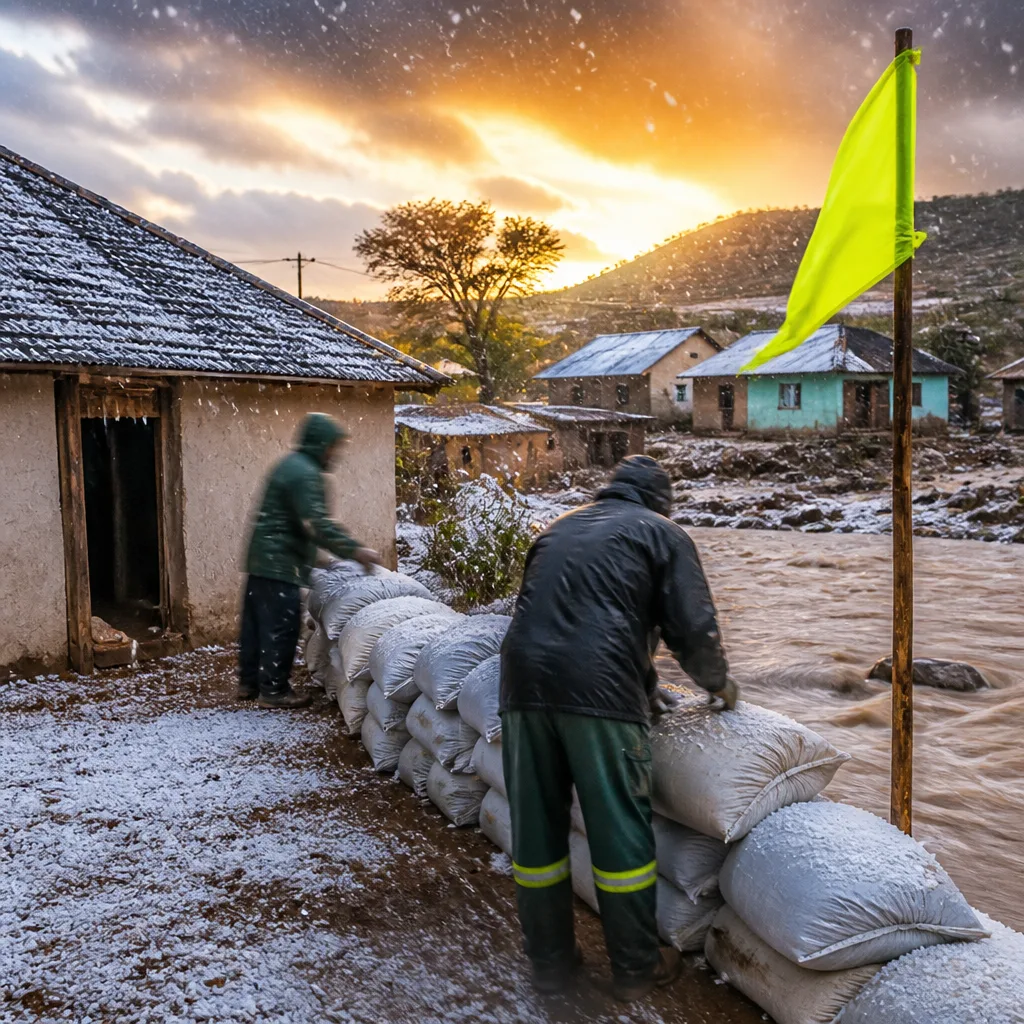
What you need to do now: keep warm, check on vulnerable neighbours and livestock, avoid driving in heavy snow or hail, and be alert to local weather warnings. When snow melts, be prepared for rising river levels and possible flooding.
Two extremes: fires abroad, cold at home
While wildfires have devastated parts of Europe and areas as far afield as British Columbia in Canada, an icy cold front has gripped South Africa, producing snow, hail and unseasonal winter rain in places that are normally dry at this time of year, according to a recent report.
Across Europe, the story has been of heat-induced blazes that forced thousands to flee their homes and contributed to low river levels — the River Rhine, for example, has fallen so low that parts have become unnavigable. By contrast, down south, winter conditions have returned with a sting: snowfalls have transformed some areas into a "winter wonderland", while other regions have experienced unusually heavy rains.
"Europe is burning but an icy cold front has gripped South Africa."
Local impacts and immediate risks
The piece reports that even parts of Gauteng saw hail and snow, and that rural residents have lit fires to keep warm. Authorities have issued weather warnings for some parts of the country. Forecasters and community leaders should remain alert to the following risks:
- Cold exposure: vulnerable people—older adults, infants, and those with chronic illnesses—are at increased risk in low temperatures.
- Road hazards: snow and hail can make roads slippery and reduce visibility, increasing the risk of collisions.
- Flooding after thaw: when snow melts, rivers and drainage systems can see rapid rises in water levels, posing a risk to people, homes and livestock.
The report notes that when the snow melts in a few days' time, water levels in rivers could rise dramatically, which would threaten livestock and people in low-lying areas.
Practical steps for residents
Practical precautions that reflect the reported conditions include:
- Keep warm with layered clothing and insulated bedding; avoid open flames indoors and ensure proper ventilation if using solid-fuel stoves.
- Check on elderly relatives and neighbours; ensure they have heating and sufficient food and medication.
- Avoid unnecessary travel during hail or heavy snow; if travel is essential, drive slowly and keep headlights on.
- Move livestock to higher ground if you are in a flood-prone area and have the means to do so.
- Follow official local weather warnings and advisories; prepare to respond should flooding materialise when snow thaws.
| Observed condition | Reported areas |
|---|---|
| Snow and hail | Even parts of Gauteng |
| Unusual winter rain | Some of the driest parts of the country |
| Wildfires (international context) | Spain, France, Greece, British Columbia |
The report also mentions a local ripple effect from cold weather: increased sales of spirits such as brandy, whisky and vodka, as consumers seek warming drinks.
What authorities and communities should coordinate
Given the combination of snow, hail and post-thaw flood risk described, coordination is important. Local emergency services, municipal disaster management and agricultural extension officers should prioritise:
- Issuing clear, location-specific warnings where river rises are expected.
- Activating contingency plans for evacuation of people and movement of livestock from flood-prone areas.
- Ensuring shelters and warming centres are available for those without adequate heating.
South Africa's weather can be variable and sometimes dramatic. While the national picture shows extremes — intense fires abroad and a cold, wintry spell at home — timely preparation and sensible precautions will reduce harm. Keep tuned to official weather warnings and local authorities for updates and instructions.