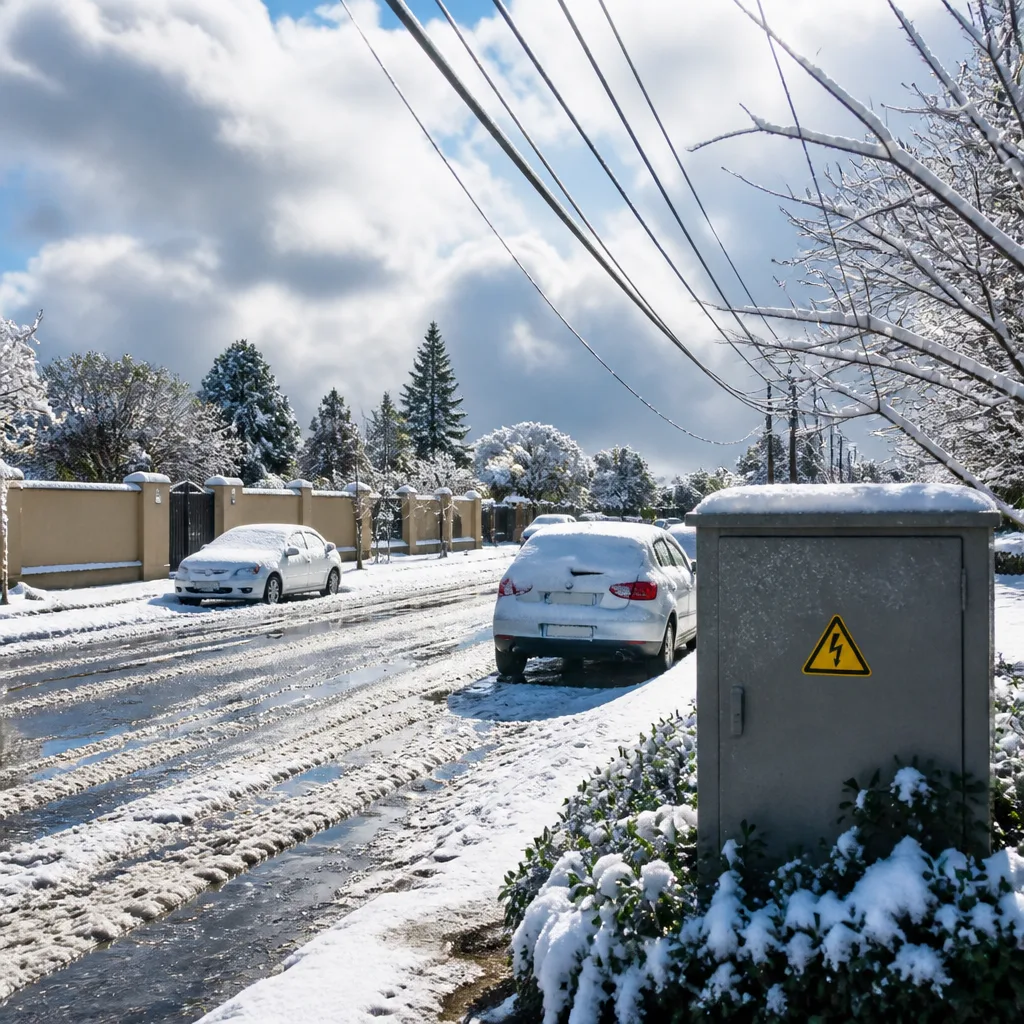
South Africans should expect continued cold, wet conditions and the possibility of further snowfall this week after a strong cut-off low settled over the country’s interior, a Wits University climatologist and the South African Weather Service (SAWS) said.
What is causing the unusually cold spell?
Professor Jennifer Fitchett, a climatologist at the University of the Witwatersrand’s School of Geography, said the cold snap is being driven by a cut-off low — a pocket of cold, low-pressure air that has separated from the main weather system and become stationary.
“A cut-off low, which is a section of cold, low-pressure air that broke away from the main weather system, became stationary and positioned over the interior,”
Fitchett explained that, unlike the faster-moving cold fronts South Africans are used to, a cut-off low can linger over an area for an extended period. That persistence brings sustained low temperatures and increased moisture, which can produce prolonged rain and snowfall rather than brief flurries.
Where and how much snow?
Light snow flurries have already been observed in some areas and Fitchett said those could continue through the day, with the potential for greater amounts towards the evening. SAWS has issued warnings for cold conditions in parts of the country, including Gauteng, where some of the coldest conditions of the season are expected.
Impact on electricity supply
The cold, wet weather is also affecting the electricity distribution network. City Power reported a high number of outage reports over the weekend affecting areas including Lenasia, Roodepoort, Midrand and Randburg.
City Power spokesperson Isaac Mangena warned that electricity demand rises during cold spells as households and businesses increase the use of heaters, geysers, stoves and other high-consumption appliances. That sudden increase can overload transformers, mini-substations, cables and other parts of the distribution network. Protection equipment may trip to prevent further damage, causing localised outages.
According to the utility, the situation is particularly precarious where infrastructure is already under strain because of illegal connections, meter bypassing, informal settlements, unplanned developments and a rise in backyard dwellings. Mangena said wet weather has also hampered some restoration work.
Practical advice for households and commuters
Officials and experts are urging residents to take steps to reduce risk and demand on the network and to stay safe in icy or snowy conditions. Key actions include:
- Reduce electricity use: switch off non-essential high-consumption appliances and avoid using multiple heaters, geysers or stoves at the same time where possible.
- Watch for local warnings: follow SAWS advisories for cold, wet and snowy conditions and heed alerts from municipal power and emergency services.
- Prepare for travel disruption: expect slower traffic, possible road closures and slippery surfaces — allow extra time and avoid unnecessary travel during heavy snowfall or freezing rain.
- Protect plumbing and pipes: insulate vulnerable pipes and keep indoor temperatures steady to reduce the risk of burst pipes when temperatures fall sharply.
- Stay informed: check updates from the South African Weather Service and your local electricity provider about restoration work and safety advice.
What to expect next
Because cut-off lows can remain in place for days, communities under the system should prepare for an extended period of colder-than-normal conditions and moisture. The combination of standing cold air and continued moisture raises the likelihood of more snowfalls in affected areas and prolonged pressure on distribution infrastructure.
Municipalities and utilities may need to prioritise restoration where safety is at risk and will likely continue to ask residents to curb electricity demand until the system stabilises. Residents in areas with ageing or overloaded infrastructure should be particularly vigilant and report outages to their local electricity provider so crews can respond where conditions allow.
Stay practical, stay warm and reduce non-essential electricity use while monitoring SAWS and your local power utility for updates.