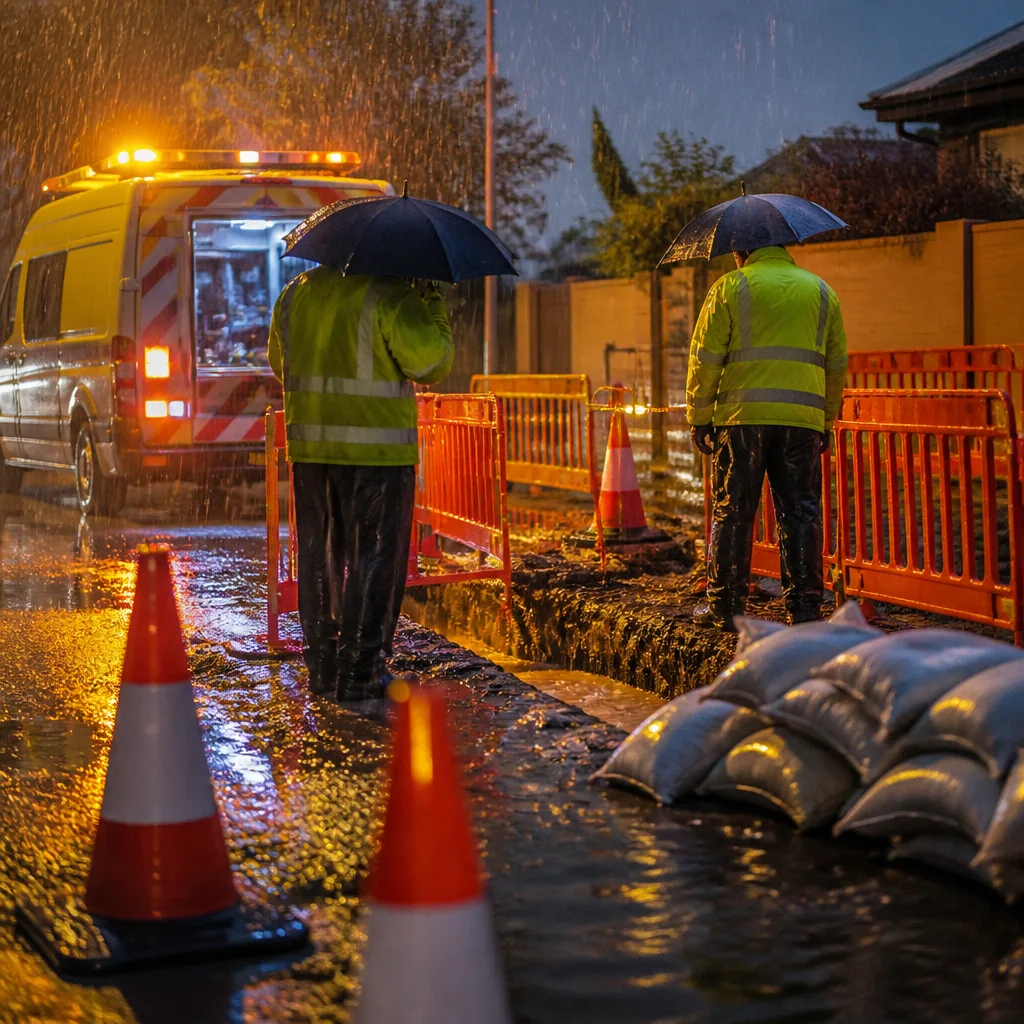
Johannesburg residents are being asked to curb non-essential electricity use as wet and very cold weather places extra strain on the city's distribution network, City Power said on 10 August 2026. The utility is managing more than 2 000 open outage calls across its eight service centres while restoration work is delayed in areas made unsafe or inaccessible by waterlogged ground.
What is happening and why it matters
The South African Weather Service (SAWS) warned of a significant cold front bringing very low temperatures, strong winds and widespread rain, conditions that increase demand for heating and complicate repair work. City Power reported a high volume of faults, including numerous underground cable failures that require excavation and trenching to locate and fix.
“Where the ground is waterlogged, excavation may be unsafe or impractical, while open trenches can accumulate water and expose electrical infrastructure to further risk,”
The statement was attributed to City Power spokesperson Isaac Mangena, who explained that technicians must follow fault-finding, excavation and safety protocols before repairs can proceed.
Immediate safety and service guidance
Your actions can help reduce risks and speed up recovery. Practical steps City Power and weather services advise:
- Reduce non-essential electricity use — avoid using multiple high-draw appliances at once (heaters, kettles, ovens).
- Keep warm safely: layer clothing, use blankets and draught-proof windows instead of relying solely on electric heaters.
- Avoid the areas around visible faults or open trenches; water and electricity create a severe hazard.
- Report outages through official City Power channels and do not attempt to inspect or repair infrastructure yourself.
Where outages and travel disruption are affecting services
City Power said crews are working across all eight service delivery centres but that the wet conditions are slowing fault location and repairs. The utility did not publish a detailed breakdown by suburb, only the overall number of open calls.
Elsewhere, the wet weather is disrupting travel. KwaZulu‑Natal’s Road Traffic Inspectorate (RTI) warned motorists to avoid unnecessary travel and reported that the R617 between Underberg and Kokstad remains closed, with traffic being diverted to the R56.
| Metric | Reported |
|---|---|
| Open outage calls | Over 2 000 |
| Service delivery centres affected | 8 |
Context and consequences
Underground cable faults require a sequence of careful steps: fault finding, excavation to expose the cable, repair work and safe reinstatement of trenches. Persistent rain compromises excavation safety and can lead to standing water in open trenches — increasing both the danger to crews and the likelihood of further faults. The combination of elevated demand for heating and delayed repairs raises the risk of prolonged outages in affected areas.
Rural and high‑lying areas in other provinces are seeing snow and road closures, adding to nationwide strain on emergency services and supply chains. The combined impact of cold, wind and rain highlights the need for households to prepare for intermittent service disruption and to follow official safety advice.
Practical reminders for residents
- Keep a battery‑powered torch, charged phone power bank and basic emergency kit ready.
- If you rely on electrically powered medical equipment, make contingency plans and inform your healthcare provider or local clinic.
- Use alternative heating sources only where well ventilated to avoid carbon monoxide risk.
City Power and SAWS continue to monitor conditions. Residents should follow updates from official channels and prioritise safety — both personal and public infrastructure — while crews work to restore full service.
Reporting compiled from City Power and SAWS advisories issued 10 August 2026 and road closure information from KwaZulu‑Natal’s RTI.