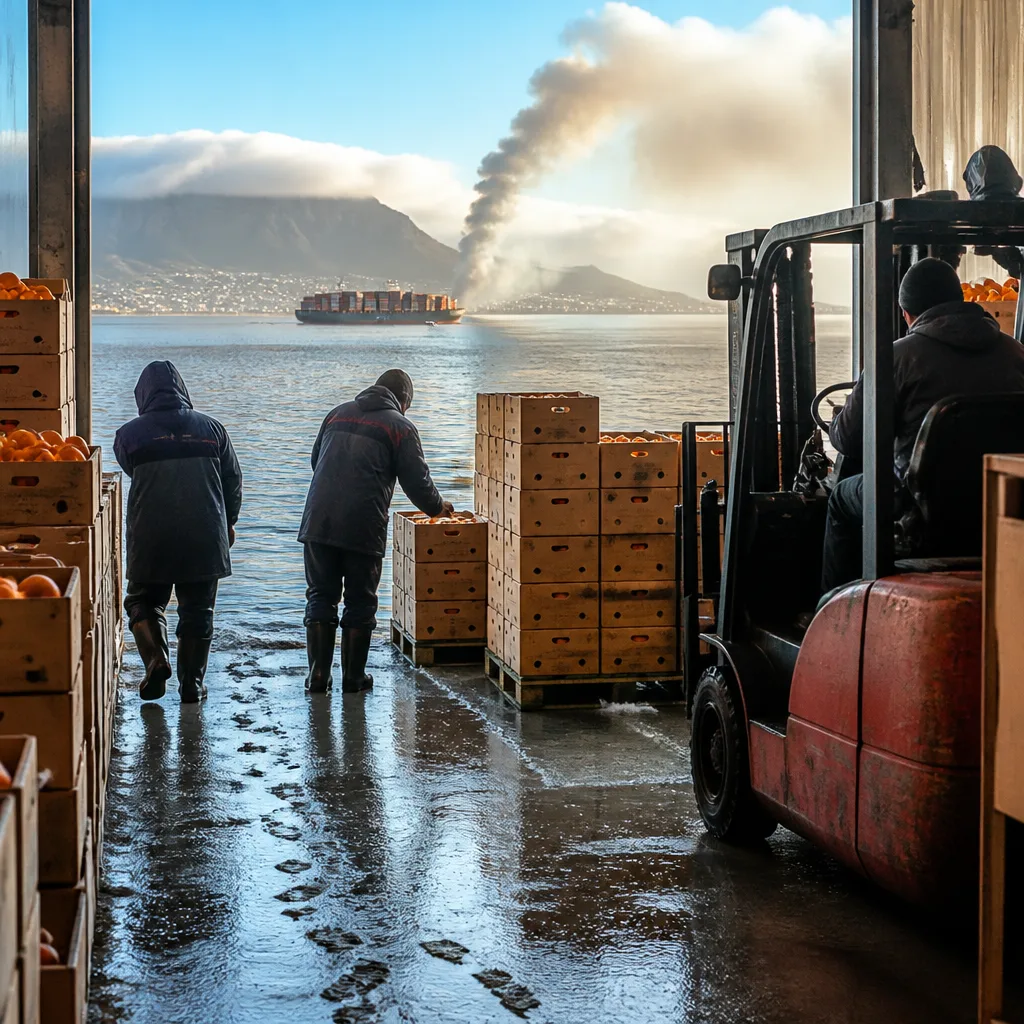
The South African Citrus Growers’ Association (CGA) has reduced its 2026 export estimate to 205.3 million cartons, down from an earlier forecast of 209.4 million cartons, citing seasonal weather disruption and mounting pressures on shipping routes.
What changed and why it matters
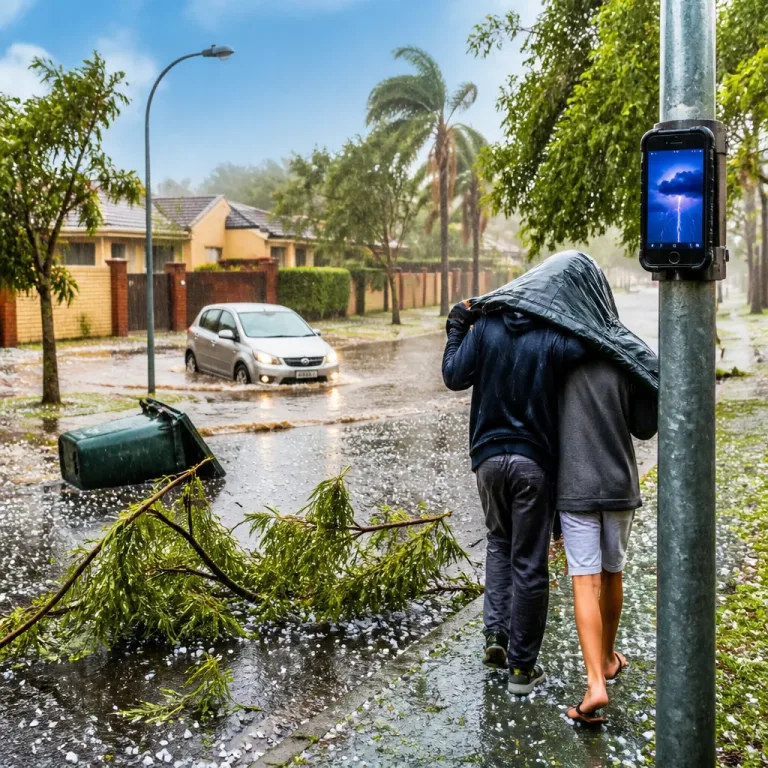
The CGA said the campaign was “very challenging” for growers. Early in the season northern production areas experienced interrupted harvesting and packing due to rain, while floods in May affected parts of the Western and Eastern Cape. At the same time, exports to the Middle East have been hit since February by the war in that region — a market that normally accounts for about 20% of South African citrus exports.
“Since February, exports to the Middle East have been impacted by the war in that part of the world,” the CGA said.
Those shipping disruptions and the wider geopolitical uncertainty have pushed up input and logistics costs. The CGA highlighted higher diesel and shipping rates as particular concerns and said it had formed a crisis committee to provide ongoing updates and information to growers and stakeholders.
Variety-level adjustments
The CGA’s revisions include specific reductions for major varieties:
- Mandarins: lowered by 2.7 million cartons — harvests for Nova and Leanri are complete while packing continues for late types such as Orri, Nadorcott and Tango.
- Navels (oranges): estimate cut by 4.6 million cartons from the March 2026 forecast; most Navels packing is complete and there are now less than 6 million cartons of late Navels still to pack.
- Grapefruit: volumes reduced by 1.7 million cartons since the original forecast.
| Category | Original estimate (March) | Revised change |
|---|---|---|
| Total exports | 209.4 million cartons | 205.3 million cartons (revised) |
| Mandarins | — | Down 2.7 million cartons |
| Navels | — | Down 4.6 million cartons |
| Grapefruit | — | Down 1.7 million cartons |
Regional differences and processing
The CGA noted an overall pattern of strong yields per hectare in the northern production regions, but that uplift has been offset by lower crops in the Western and Eastern Cape. Industry pressings at orange-juice factories are substantial, and the association said the season may be somewhat longer than usual as processors handle larger volumes.
Valencia packing was expected to reach its peak in the following two to three weeks from the CGA’s update, while late Navels remain limited. The organisation warned that any escalation of conflict affecting the Red Sea — in particular disruptions at the Port of Jeddah — would further constrain shipping options for exporters.
Practical implications
For growers and exporters, the immediate priorities are maintaining harvest and packing schedules where weather allows, monitoring logistics costs and working through the CGA crisis committee for guidance on alternative markets and shipping options. For buyers and retailers, the revised volumes and regional shortfalls could affect availability and pricing as the season progresses.
Consumers need not panic: while the export estimate is reduced, the CGA emphasised that packing and processing continue and that some varieties and regions are performing well. The association said it would continue to meet and provide updates to industry stakeholders.
Key actions to follow
- Growers and exporters should follow CGA updates and engage with the crisis committee for logistics guidance.
- Industry participants should monitor shipping routes and costs closely, especially developments affecting the Red Sea and the Port of Jeddah.
- Retailers and buyers should plan for potential supply shifts between regions and varieties as the season progresses.
The CGA’s latest estimates underline how closely seasonal weather events and international trade disruptions are linked for South Africa’s citrus sector. Continued monitoring of both local climatic conditions and international shipping developments will determine how the remainder of the season unfolds.