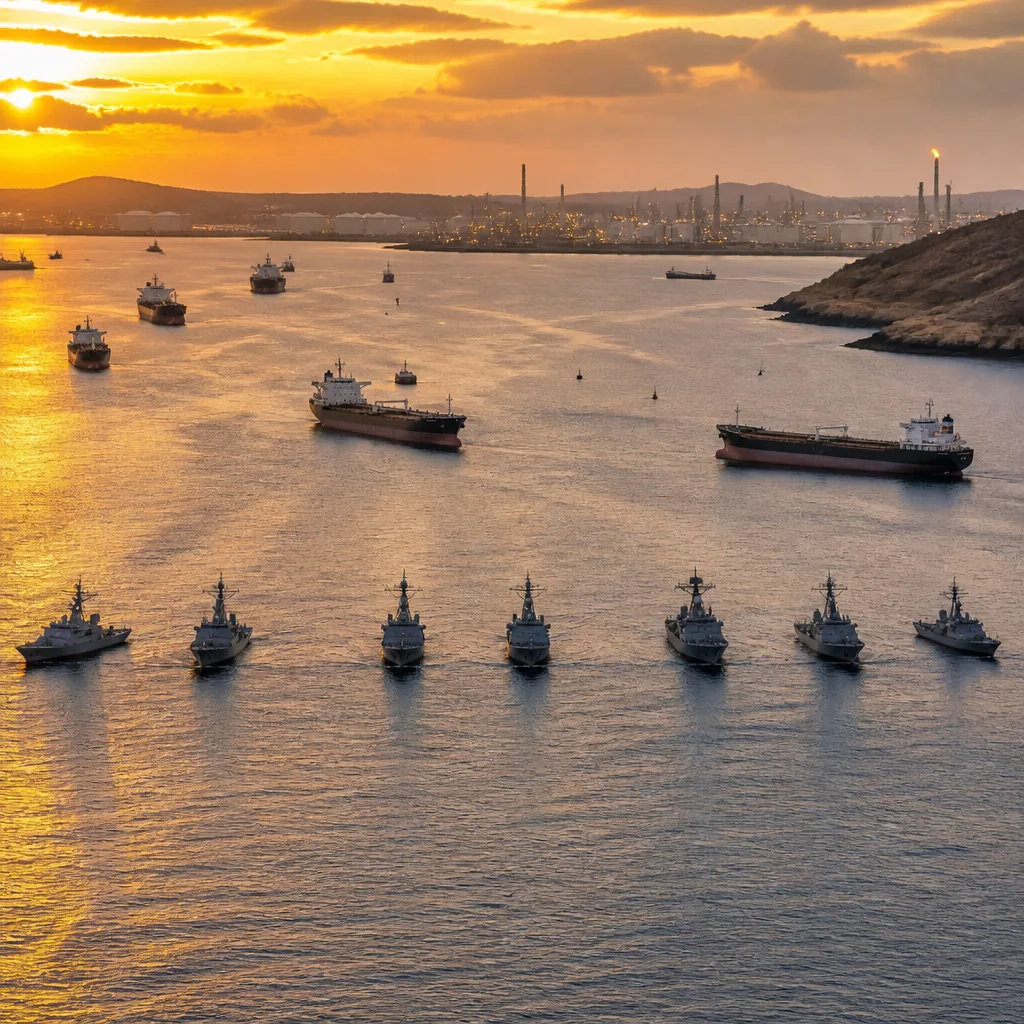
Former US President Donald Trump said on Wednesday that the United States has control of the strategic Strait of Hormuz and that it will be maintained, praising what he described as a successful US naval blockade amid a sharp escalation with Iran.
Trump’s claim and Tehran’s response
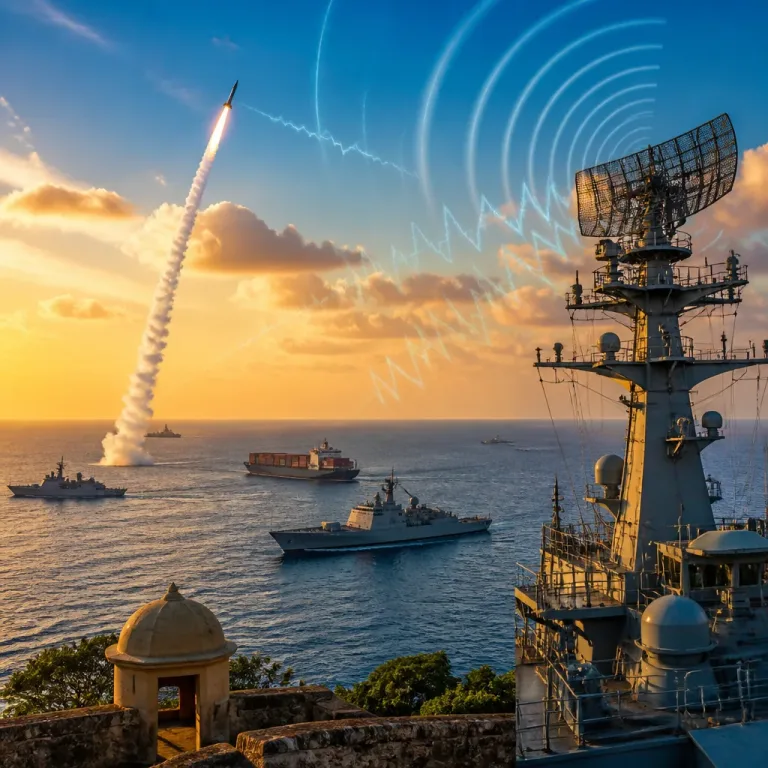
In a post on his platform, Trump hailed the blockade and asserted that Iran could not challenge US forces in the Gulf. The Republican leader also characterised Iranian military formations as weakened. His remarks come amid heightened tensions after the closure of the strait and attacks on shipping linked to Tehran’s stated effort to enforce an alternative route and toll system.
"The U.S.A. has total control over the Strait of Hormuz. I think we will keep it! Our naval blockade is being called, by everyone, \"a wall of steel\", and there is nothing Iran can do about it."
Iran, for its part, has set out conditions for reopening the waterway. Tehran said it will not allow the strait to be reopened until the US naval blockade is lifted, American-held Iranian assets are unfrozen, US sanctions are removed and Washington compensates Iran for wartime damage. Iran’s Revolutionary Guards described the strait as a theatre of war and said their blockade would remain until "the enemy accepts all our conditions," according to reporting.
Operational and political context
The Strait of Hormuz is a vital maritime chokepoint for the movement of oil and other commodities from the Middle East. Control or contestation of the strait has immediate consequences for global energy markets and for countries that rely on Gulf crude. Reports say the closure has already pushed up prices, presenting a political challenge for the US administration as electoral calculations come into play ahead of domestic votes.
- US posture: Trump publicly credited the US naval operation with establishing control of the strait and described the blockade in combative terms.
- Iran’s conditions: Tehran says it will not relent until the blockade is lifted and sanctions and asset freezes are reversed, and it demands compensation for wartime losses.
- Regional impact: Analysts warn that continued disruption of Hormuz risks higher energy prices globally and strains on supply chains.
Trump also made broader allegations about the state of Iran’s armed forces in his post. He declared that Iran lacked an effective navy and air force and claimed that members of the Islamic Revolutionary Guard Corps were "decimated and fleeing." He ended one of his posts with the exclamation, "Praise be to Allah!"
Potential consequences for India and the wider region
Any sustained disruption in the Strait of Hormuz carries clear implications for India, which imports a substantial portion of its crude oil and liquefied natural gas from the Gulf. Even short-term interruptions have the potential to feed into global price volatility and increase import bills for energy-dependent economies. Policymakers in New Delhi routinely monitor developments in the Gulf given their direct bearing on energy security and shipping routes used by Indian vessels.
Diplomatic and military manoeuvres in and around the strait also raise prospects of broader regional entanglement. Several nations, including those with interests in freedom of navigation and the security of commercial shipping, have previously deployed naval assets to the Gulf to deter attacks on merchant vessels. How Washington, Tehran and other actors calibrate their next steps will be closely watched.
What remains open
It is not clear how long the current standoff will persist or whether diplomacy will produce a settlement that addresses Iran’s listed demands. Reported remarks by Trump that the US was taking a "low-key" approach to negotiations may indicate some parallel, less-publicised diplomatic activity, but the public rhetoric from both sides has been uncompromising.
| Actor | Public position |
|---|---|
| United States (Trump) | Claims US control of Hormuz; will maintain naval blockade |
| Iran | Will keep blockade until US lifts blockade, unfreezes assets, removes sanctions and pays compensation |
As tensions persist, the international community — and energy markets — will remain alert to developments around the Strait of Hormuz, where military measures and diplomatic negotiations will together determine how swiftly normal maritime traffic can resume.