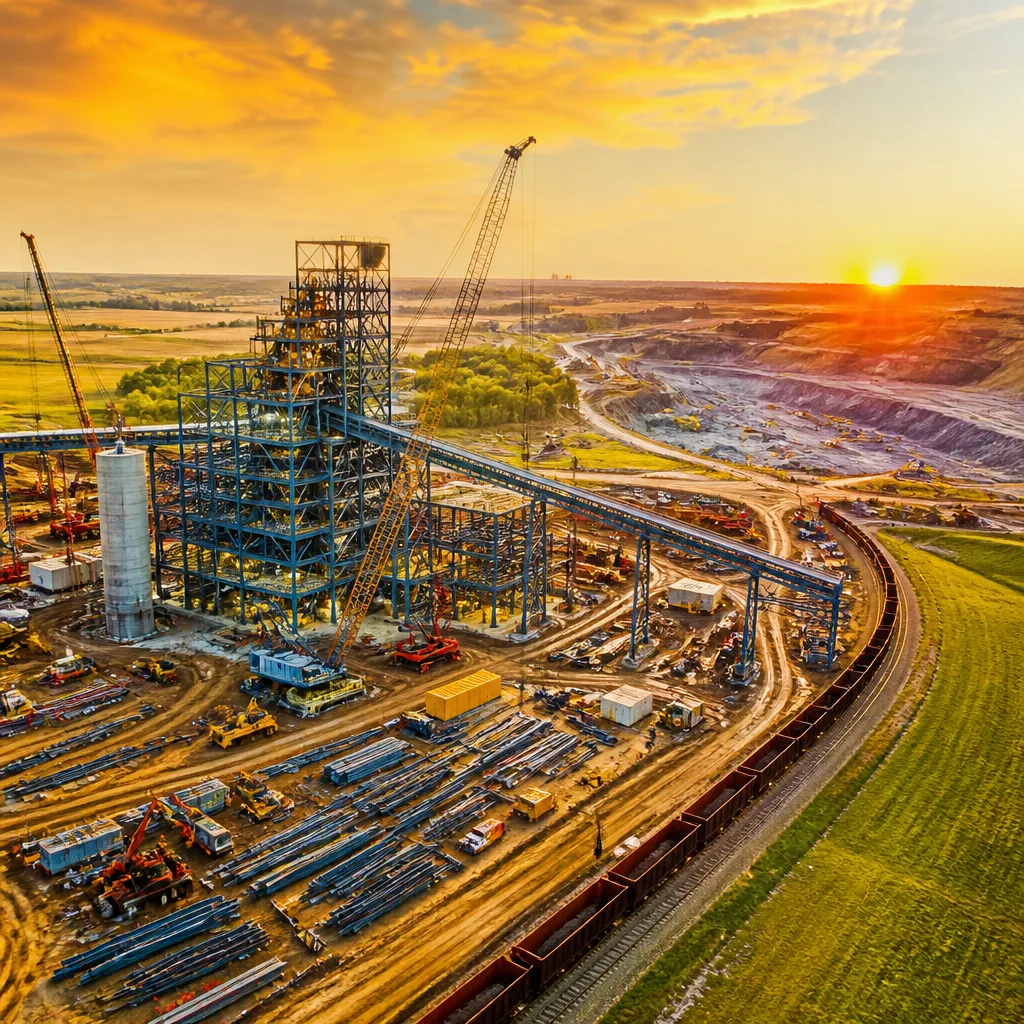
Washington/New Delhi — Indian conglomerate Essar Group, through its US subsidiary Mesabi Metallics, plans to invest about $15 billion to build an integrated steel plant in Iowa, US President Donald Trump announced on Tuesday at the White House.
Project scope and timeline
The facility is expected to reach an annual output of 10 million tonnes of steel once fully operational, with production targeted to begin in 2030. The Iowa plant will be part of an integrated US supply chain that links a new iron ore mine in Minnesota’s Mesabi Iron Range to the steel mill in Iowa.
- Investment: About $15 billion for the Iowa steel complex.
- Mine investment: Mesabi Metallics has invested about $2.5 billion in the Minnesota mine.
- Production targets: Mine — roughly 7.5 million tonnes of iron ore annually; Mill — 10 million tonnes of steel annually.
- Jobs: Thousands of construction jobs during build; about 2,000 permanent positions across steel and mining operations; the mine is expected to create roughly 350 jobs.
What was announced and who spoke
President Trump described the project as "the largest steel plant in American history," and said the linked Minnesota mine would be the first new iron ore mine in the United States in more than 50 years, supplying what he termed "the highest quality ore." The announcement was made alongside Essar co-founder Ravi Ruia and Mesabi Metallics chairman Rewant Ruia.
"Today we're thrilled to announce that Mesabi Metallics will be building the largest steel plant in American history in the great state of Iowa. It's the largest plant, one of the largest plants in the world, but it's the largest plant in America by far," Trump told reporters.
Rewant Ruia — who said he was born in India and had spent much of his life in the United States — characterised the investment as "a true homecoming" and said the project would establish a fully integrated supply chain "from mine to mill."
Strategic and economic implications
The plan signals a significant inward move by an Indian industrial group into US heavy industry, with implications for supply-chain localisation and raw-material security. By developing both mine and mill in the US, the project seeks to reduce dependence on imported steelmaking inputs and to create a domestic vertically integrated operation.
For India, the announcement highlights the growing scale and global reach of Indian conglomerates in heavy manufacturing. For US steel and mining regions, the project promises investment, construction activity and permanent employment concentrated in Iowa and Minnesota.
| Item | Figure |
|---|---|
| Planned investment (Iowa steel plant) | $15 billion |
| Investment in Minnesota mine | $2.5 billion |
| Expected annual steel output (mill) | 10 million tonnes |
| Expected annual iron ore output (mine) | 7.5 million tonnes |
| Permanent jobs (steel + mining) | ~2,000 |
| Jobs at mine | ~350 |
What it means for businesses and consumers
For steelmakers and downstream manufacturers, the project could increase US domestic supply of steel in the long term and potentially alter regional pricing dynamics if the mill reaches its targeted 10 million tonnes. For Indian industry observers, the move underlines the appetite among large Indian groups to invest in capital-intensive manufacturing overseas.
However, the timeline to begin production in 2030 means immediate effects on prices or supply are unlikely. The scale of capital deployment and the integrated nature of mine-to-mill operations also make the project sensitive to regulatory approvals, environmental reviews and commodity market cycles — factors that typically influence large mining and steel projects.
The announcement was made publicly at the White House and provides a headline figure and broad targets; detailed project agreements, environmental permits and financing structures were not disclosed in the announcement.