New Delhi: Delhi Police detained leaders of the youth‑led Cockroach Janta Party (CJP) on Monday after they entered the area of Jantar Mantar that has been sealed off by authorities, part of continuing protests over alleged irregularities in electoral rolls conducted under the Special Intensive Revision (SIR). Separately, the Supreme Court has recorded that a joint petition by Congress leader Rahul Gandhi and other opposition figures contains 14 "defects", the court said.
Detentions at Jantar Mantar
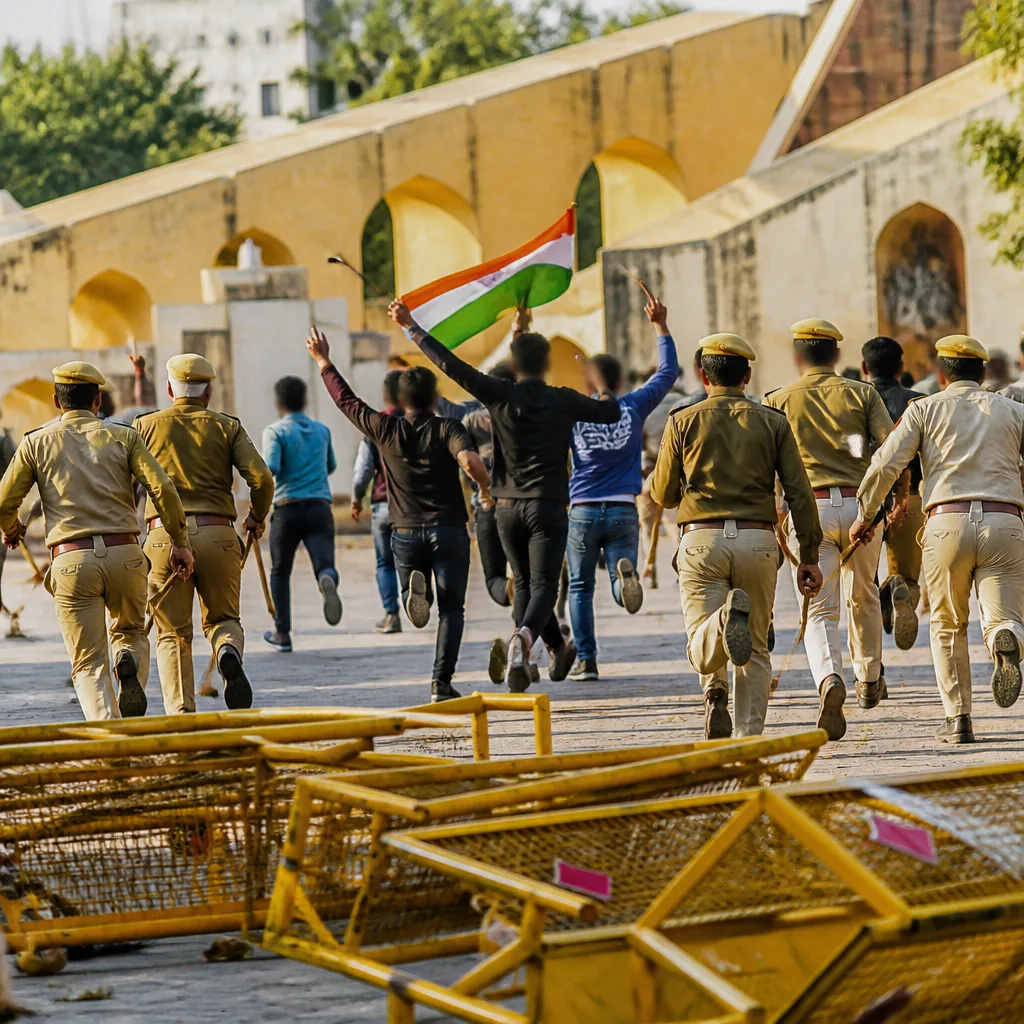
The CJP said its activists clambered over yellow metal barricades that have sealed the iconic protest site in central Delhi and ran into the open space waving the national flag before police moved in. The party said about 20 people were detained, naming leaders Saurav Das, Ashutosh Ranka and Ajinkya Shinde among those taken into custody. Delhi Police confirmed that the site had been taken off the list of designated official protest sites and that it had restricted access.
- The site has been sealed for several days and is guarded by a heavy police presence, authorities said.
- CJP posted a video showing protesters entering the fenced area; the party described the action as an attempt to "reclaim Jantar Mantar."
- Police action followed the entry, with detentions reported immediately afterwards.
“CJP sneaks inside to reclaim Jantar Mantar,” the group posted on social media, adding that “All of them have been detained by Delhi Police.”
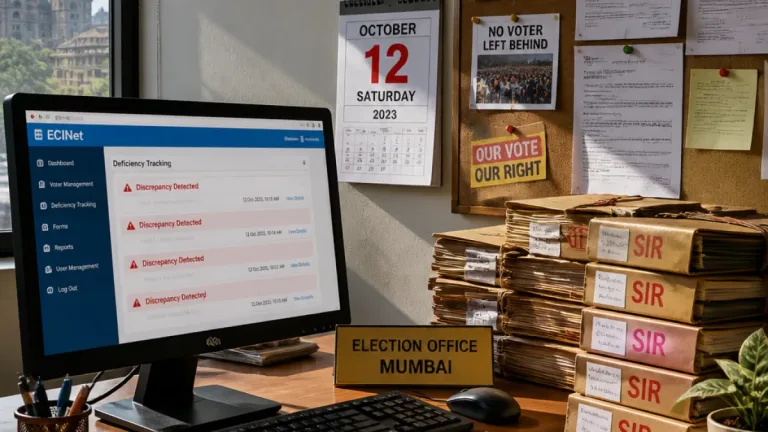
Protesters have been demanding the resignation of Chief Election Commissioner Gyanesh Kumar, alleging irregularities in the SIR process. The demonstration at the capital’s traditional protest ground represents the latest episode in a broader political campaign mounted by several opposition formations and student bodies, who say the SIR has produced anomalies in voter rolls.
Rahul Gandhi, INDIA bloc and continuing mobilisation
In a move aimed at sustaining pressure on the government, Congress leader Rahul Gandhi hosted a high tea at his residence for leaders from the INDIA alliance, student groups and civil society actors. Gandhi framed the meeting as part of a people’s movement to "protect democracy" and said that political and public resistance would continue irrespective of institutional responses.
“Today I have invited the leaders of the INDIA alliance, opposition MPs, student organisations, and people from civil society to my home for tea. In this people’s movement to protect democracy, we are all together… political resistance will continue,” Rahul Gandhi wrote on X.
The gathering signals co‑ordination among opposition parties and allied groups as they press their grievances about the electoral roll exercise. Opposition leaders have couched the protests as defending the integrity of the electoral process; authorities and the Election Commission have maintained that the SIR is a routine administrative exercise, while rejecting allegations of widespread irregularities.
Supreme Court flags procedural deficiencies
Separately, the Supreme Court has observed that the joint petition filed by Rahul Gandhi and several opposition leaders challenging alleged electoral irregularities and the SIR contains 14 defects. The court's notation of defects is a procedural finding; it does not resolve the substantive allegations but requires the petitioners to remedy the deficiencies if they wish to proceed.
| Matter | Status |
|---|---|
| Protest at Jantar Mantar | Leaders detained; site sealed by police |
| Joint petition on SIR | Supreme Court recorded 14 defects |
The court's identification of defects typically prompts petitioners to file corrected papers or seek leave to amend. It is not an adjudication on the merits. The precise nature of the defects — whether procedural, jurisdictional or relating to cause of action — was not detailed in initial reporting.
The sequence of events — sustained street protests, targeted detentions and judicial scrutiny — highlights the multiple fora through which the controversy over the electoral roll revision is being contested: the streets, party gatherings and the courts. Opposition leaders have indicated they will persist with public mobilisation; authorities have emphasised law and order and regulatory processes. The near‑term outcome will depend on whether petitioners remedy the Supreme Court’s procedural objections, how police and the Election Commission respond to continued protests, and whether mediation or institutional review is initiated.
As the dispute evolves, key questions remain: will opposition parties mount larger demonstrations, will the Election Commission open a formal inquiry into the specific irregularities alleged, and how will the judiciary treat any corrected petition if it is refiled. For now, the detention of CJP leaders at a sealed protest site and the court’s procedural finding mark fresh developments in a politically sensitive national issue.