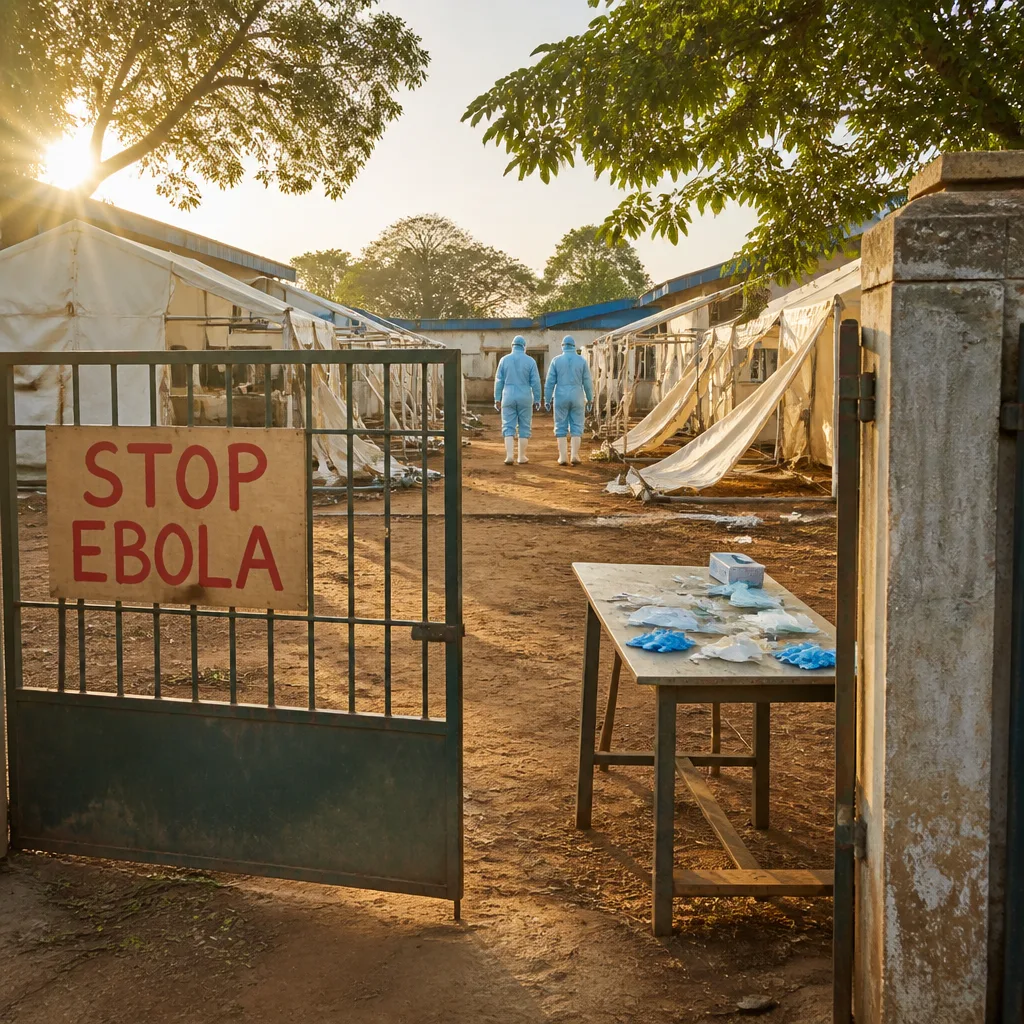
The Democratic Republic of Congo (DRC) has recorded 8,067 confirmed Ebola cases and 3,901 deaths as of September 26, officials said, as the country struggles with severe shortages of health workers and rising community resistance to response efforts.
Outbreak detail and scale
The outbreak, declared on May 15, is the DRC’s 17th Ebola episode and is driven by the Bundibugyo virus, a strain for which there is currently no approved vaccine or specific treatment, according to the health ministry data released on Sunday. The epidemic has spread across 63 health zones in seven of the country’s 26 provinces and has a crude case fatality ratio exceeding 48 per cent.
WHO flags delays in detection and care
The World Health Organization (WHO) highlighted that many deaths are occurring in communities rather than in treatment centres, indicating delays in case detection and in access to timely and adequate care. The WHO report said the persistently high crude case fatality ratio and the proportion of community deaths "highlights the seriousness of the disease and the persistent challenges in timely case detection and access to early and adequate patient care."
"The continuously high crude case fatality ratio, and especially the continuously high rate of deaths occurring in communities, highlights the seriousness of the disease and the persistent challenges in timely case detection and access to early and adequate patient care."
Operational challenges: workforce, trust and security
Health officials and aid agencies warned that the response is being undermined by a shortage of trained health workers. The scarcity of personnel has constrained surveillance, case management and safe burial practices—key pillars of Ebola control.
The outbreak has also been marked by mistrust and unrest. Since the start of the epidemic some local communities have dismissed Ebola as a hoax, which has fuelled attacks on health workers and health facilities. The ruling UDPS party reported an attack on one of its officials, Marie‑Clestin Karondwa, after she defended government measures on a radio programme; the party called for an investigation.
The UN Office for the Coordination of Humanitarian Affairs (UNOCHA) said the epidemic is affecting other essential services in the worst‑hit areas, noting disruptions to routine primary healthcare in affected zones.
Immediate implications and public‑health context
The scale and lethality of the outbreak underline several immediate concerns for the international public‑health community:
- Insufficient health workforce to sustain surveillance, case isolation and patient care in remote or insecure areas.
- Community scepticism and violence that hinder safe burials, contact tracing and vaccination or therapeutic outreach where available.
- Strain on routine health services, with potential secondary impacts on maternal and child health, immunisation and treatment of other infectious diseases.
WHO commentary emphasises that community deaths and delayed presentation to care contribute substantially to the high fatality ratio, and that the official numbers may not capture all cases if people remain hidden or if detection is late.
| Metric | Reported figure (as of Sept 26) |
|---|---|
| Confirmed cases | 8,067 |
| Deaths | 3,901 |
| Health zones affected | 63 across 7 provinces |
| Case fatality ratio | Over 48% |
What this means for responders and the public
The combination of a high fatality virus, limited human resources and community resistance complicates containment and increases the risk of further spread within affected provinces. Humanitarian agencies and the DRC authorities will need to scale up trust‑building measures—community engagement, transparent communication and protection for health workers—to restore access to care and surveillance.
Readers are reminded that public‑health guidelines and clinical decisions should be made by qualified health professionals. If concerned about infectious diseases or travel to affected areas, consult official WHO guidance and national health authorities, and seek advice from a qualified doctor.
Reporting is based on data released by the DRC health ministry and commentary in the latest WHO situation report; additional details on local security incidents were reported by the UDPS party and UNOCHA.