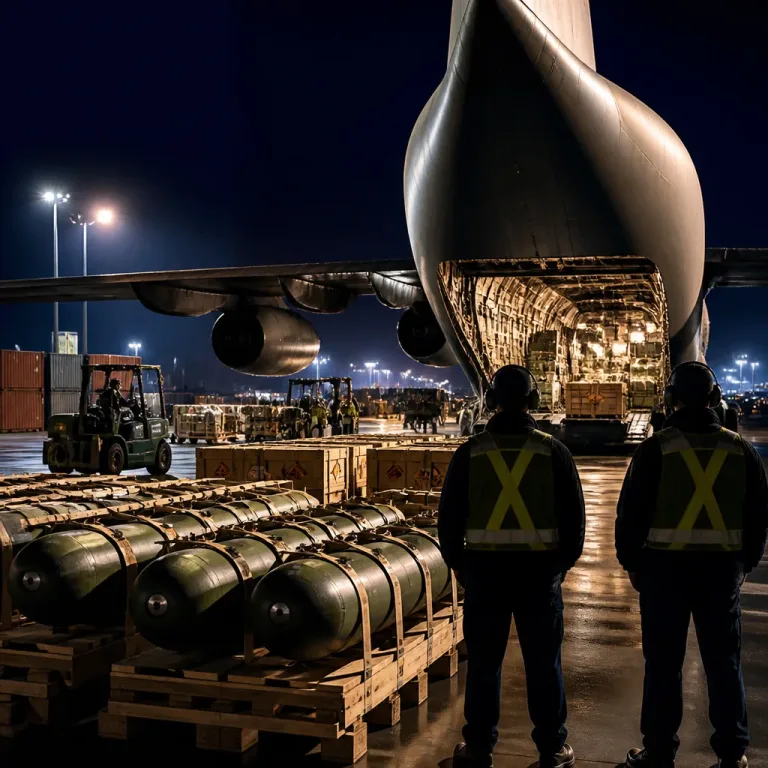
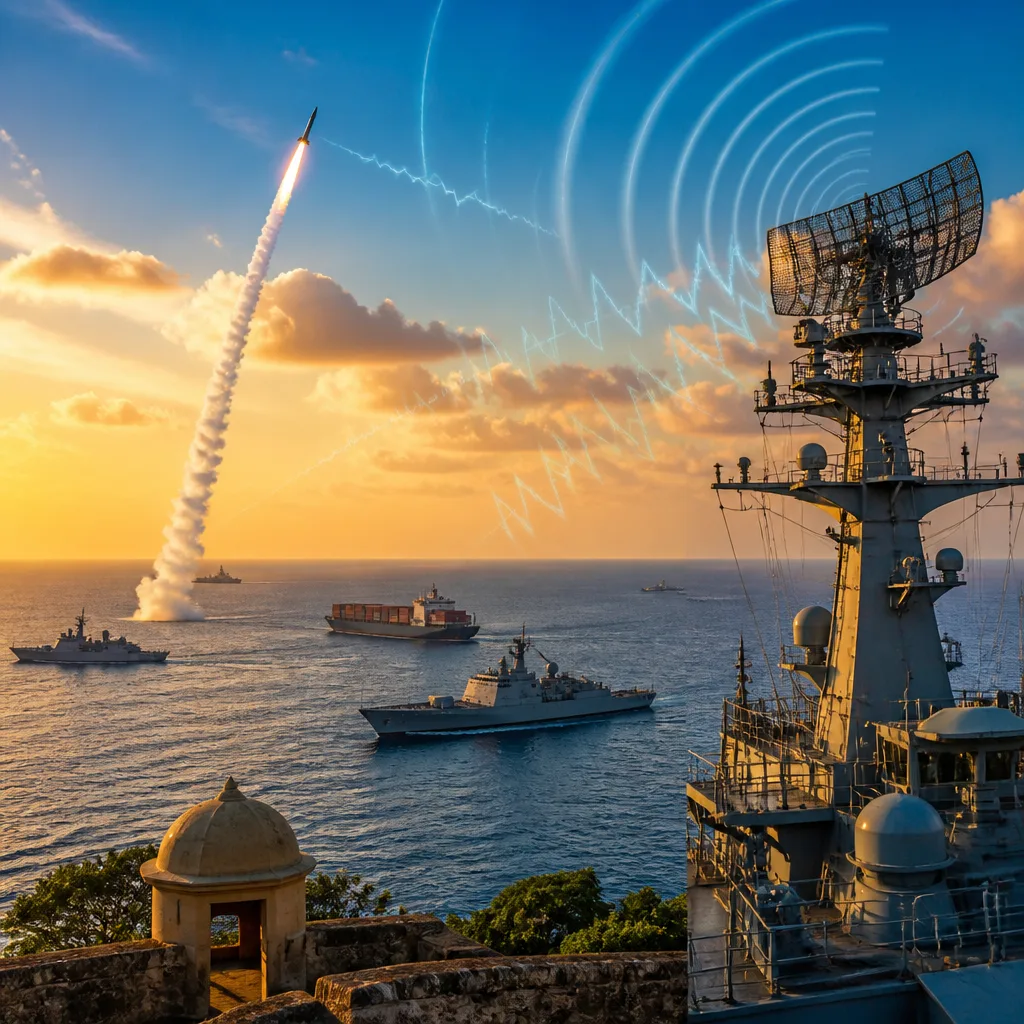
Tehran warned on Sunday that American warships in the Indian Ocean would be attacked if hostilities between the two countries resumed, saying it had bolstered missile performance and developed electronic warfare capabilities in preparation for a possible naval confrontation.
Key claims and officials
The remarks were made by Mohsen Rezaei, secretary of Iran's Supreme National Security Council, and reported via a post by the Iran Embassy in Hyderabad, according to AFP. Rezaei said Iran had increased the speed of its hypersonic missiles from Mach 6 to Mach 10 and had upgraded its electronic warfare systems and air defences. He asserted Tehran was "fully prepared" and warned the United States of "more numerous and more painful strikes" if Washington initiated a new conflict.
"If America starts the war, we will confront America with greater force and with more numerous and more painful strikes,"
Rezaei added that American ships inside the Indian Ocean would be attacked unless they withdrew from the area, saying Iran had developed the necessary capabilities. The comments come amid wider rhetoric from Iranian political leaders: Speaker of Parliament Mohammad Bagher Ghalibaf said the "old American order" in West Asia had collapsed and urged Islamic countries in the region to put in place a new order, Tasnim News Agency reported.
Context and regional implications
The declaration follows months of heightened tensions between Iran and the United States as well as their respective partners across the Middle East. Control and security of strategic maritime corridors such as the Strait of Hormuz and the wider Indian Ocean are crucial for global energy supplies and trade. Iran has previously threatened to restrict passage through the Strait of Hormuz unless its demands are met; Ghalibaf reiterated that the waterway would not reopen until Iran's rights were recognised and the US honoured commitments, Tasnim reported.
For India, an escalation that affects the Indian Ocean would carry immediate strategic and economic consequences. Major sea lanes off the subcontinent are used by Indian trade, including energy imports. New security risks could complicate naval deployments, merchant shipping insurance premiums, and the operational environment for the Indian Navy and Coast Guard, which have stepped up deployments in recent years to secure maritime commerce.
Claims on military improvements
According to the reporting, the principal military upgrades claimed by Tehran include:
- Hypersonic missile speed increase from Mach 6 to Mach 10;
- Expanded electronic warfare systems said to be newly developed or upgraded;
- Improved air defence systems and other unspecified measures that Iran would use at "the appropriate time".
| Claim | Details reported |
|---|---|
| Hypersonic missile speed | Mach 6 → Mach 10 |
| Electronic warfare | Described as developed/improved |
| Air defences | Reportedly upgraded |
The remarks were relayed by Iranian state and semi-official outlets and amplified through diplomatic channels. Independent verification of the technical claims was not provided in the reports cited.
International reactions and stakes
While the immediate source material did not include responses from the United States or other governments, the threat to ships in the Indian Ocean underscores the potential for confrontation to spill beyond the Persian Gulf into wider maritime theatres. Any direct attacks on commercial or naval vessels could draw international naval assets into protective or deterrent roles, complicating an already tense strategic environment in West Asia and the Indo-Pacific.
Analysts caution that escalation risks are heightened when leaders issue public warnings of strikes on vessels in critical sea lanes. Diplomatic backchannels and intermediaries have been used previously to convey messages between Tehran and Washington; Ghalibaf said Tehran's conditions had been communicated to the United States through intermediaries, Tasnim reported.
The unfolding rhetoric comes at a time when several regional and extra‑regional powers are increasing their naval presence in and around the Indian Ocean to safeguard trade and strategic interests. Any clashes that affect freedom of navigation could have knock‑on effects for energy supplies and global markets.
Further independent assessments of Iran's military claims and responses from the United States and regional navies will be important to monitor as the situation develops.
Reporting aggregated from AFP, Tasnim and Iranian embassy communications as cited in public posts.