
Tehran on Sunday dismissed a United States threat to impose what Washington called "the toughest sanctions in history" as a sign of desperation and said any new measures would fail to defeat Iran, according to Reuters.
Iran rebukes Washington, calls for respectful dialogue
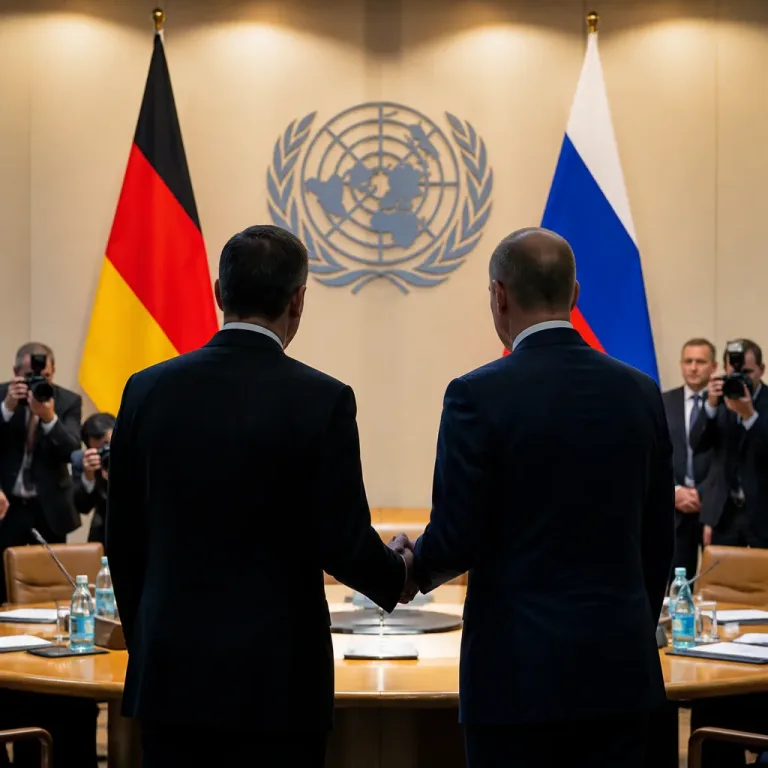
Iran's Foreign Minister Abbas Araghchi described the possible sanctions as evidence that the United States was resorting to economic pressure rather than diplomacy. He said Washington should engage with Tehran "respectfully" to seek "a solution based on justice and honour," Reuters reported.
"Washington must speak to Iran respectfully to find 'a solution based on justice and honour.'" — Abbas Araghchi, Iranian foreign minister, as reported by Reuters.
The comments followed a public statement by US Treasury Secretary Scott Bessent, who warned that the United States was prepared to impose the "toughest sanctions in history" on Iran. Bessent was due to hold a press conference on Monday at 2 pm EDT (1800 GMT), Reuters said.
Context: sanctions, strikes and regional tensions
Iran's economy has been under pressure from a series of international sanctions for years. Reuters noted that the Islamic Republic's infrastructure has been repeatedly hit and that thousands of people have died in airstrikes since the US and Israel launched attacks on February 28. Tehran said fresh economic measures would not succeed in breaking the country’s resolve.
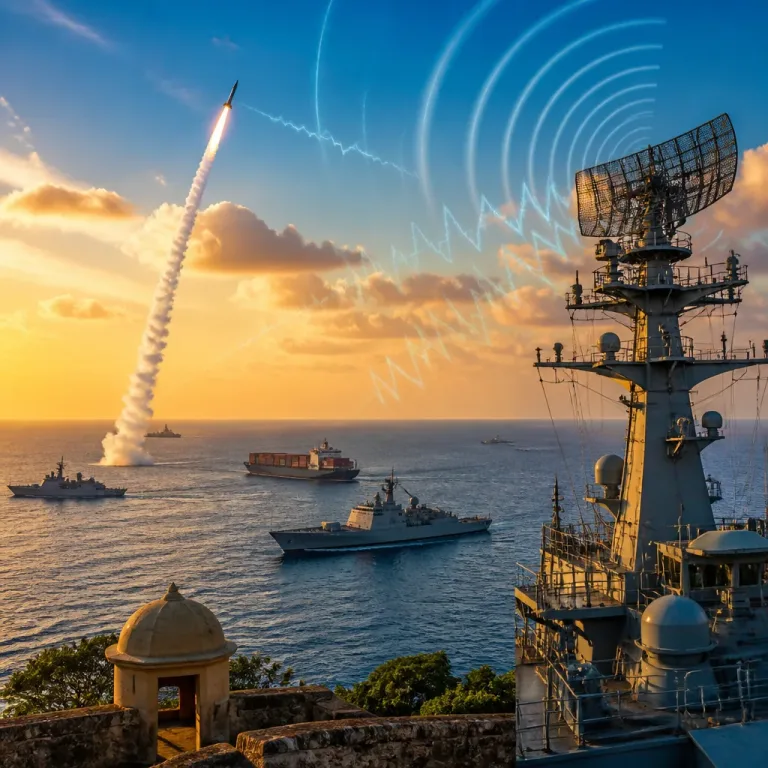
Analysts and diplomats say renewed sanctions could further heighten tensions in an already volatile region, with potential implications for global energy markets and maritime security, especially in the Strait of Hormuz — a key conduit for oil exports from the Gulf. Any escalation may complicate diplomatic efforts and raise costs for countries dependent on Gulf crude.
What the announcement means
- US posture: Aimed at increasing economic pressure on Tehran by signalling readiness for large-scale, sweeping measures.
- Iran's response: Rejection of the sanctions threat as desperate and ineffective, and a call for respectful negotiations.
- Regional implications: Potential to deepen instability in the Gulf and affect international shipping and energy supplies.
The exchange reflects a widening diplomatic gap between Tehran and Washington amid a backdrop of military action and ongoing disputes over Iran's regional role and nuclear ambitions. Reuters' reporting underlined that the rhetoric has intensified even as some regional actors and mediators continue to explore channels for de‑escalation.
| Actor | Position |
|---|---|
| United States (Scott Bessent) | Threatened to impose "the toughest sanctions in history" |
| Iran (Abbas Araghchi) | Called the move desperate; urged respectful talks and said sanctions would fail |
India connection
While the Reuters report did not specifically mention New Delhi, any large-scale sanctions or regional escalation has obvious consequences for India, which is a major consumer of Gulf oil and has longstanding diplomatic and commercial ties across the region. Higher crude prices or disruption to shipping lanes could affect energy imports and economic planning in New Delhi. India has periodically sought to balance relations with Gulf states and Iran and has also emphasised the need for diplomatic solutions to regional disputes.
Diplomacy, trade flows and energy security are all likely to be factors Indian policymakers will monitor closely if US and Iranian rhetoric continues to harden. Observers say sustained sanctions or retaliatory measures can prompt secondary effects, such as shifts in tanker routing, insurance premiums and broader market anxiety.
For now, both sides remain locked in public posturing. The United States has signalled readiness for unprecedented economic measures; Tehran has dismissed that threat and insisted on negotiating terms that it considers honourable and just, Reuters reported. How the situation unfolds will depend on diplomatic moves in the coming days and the extent to which international intermediaries can narrow the gap between competing positions.