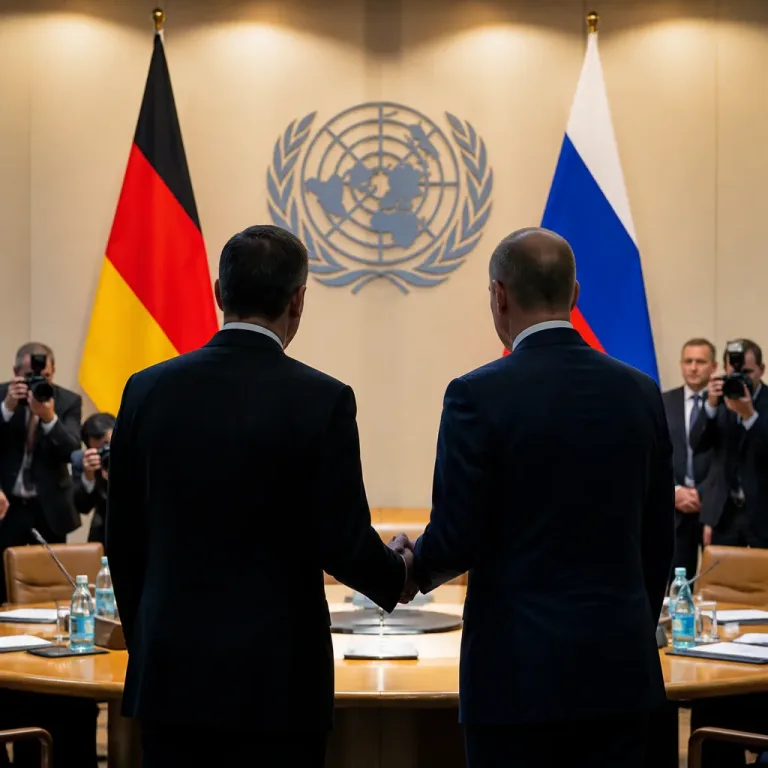
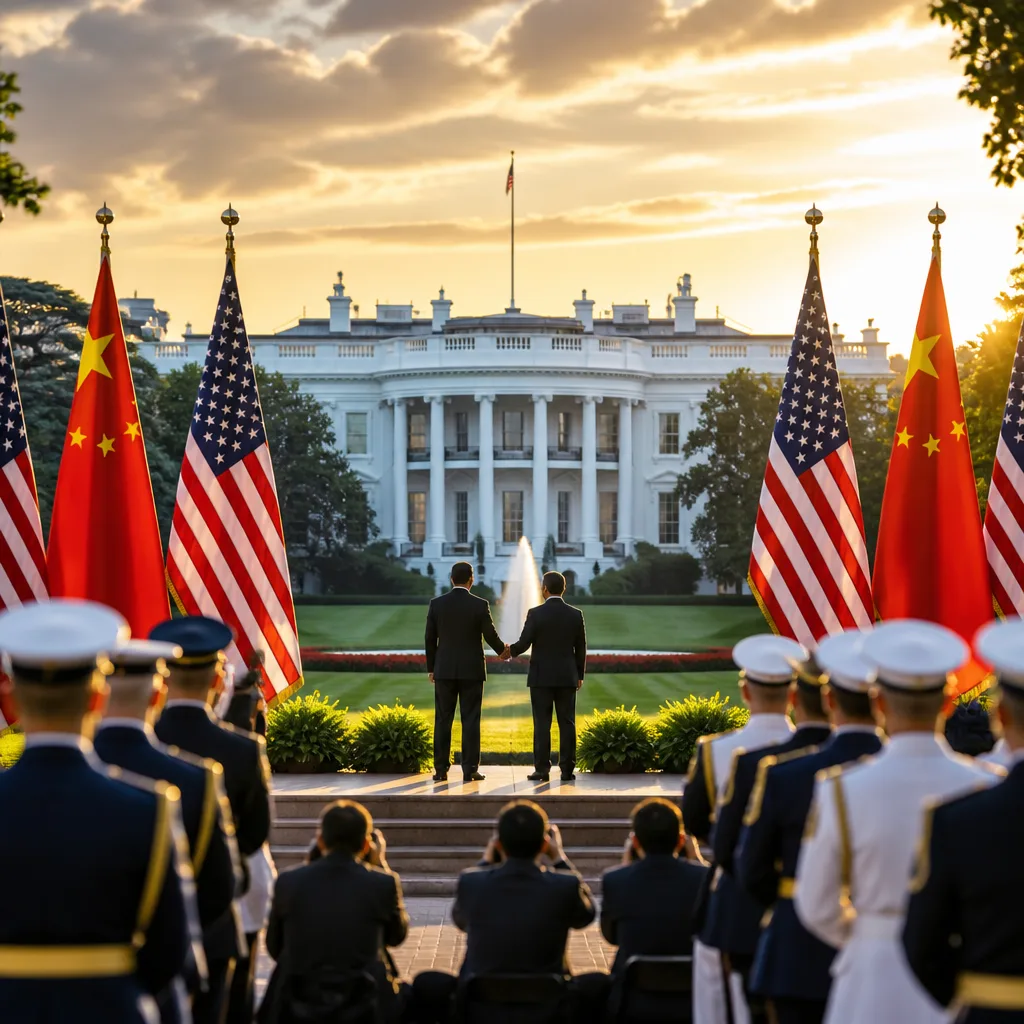
WASHINGTON — US President Donald Trump and Chinese President Xi Jinping concluded a lavish state visit to the White House on Friday with a limited set of outcomes: a diplomatic reset marked by ceremonies and photo opportunities, and a two‑month extension of an existing tariff truce between the two economies. The leaders did not announce substantive new agreements on some of the most sensitive areas of bilateral friction, including Taiwan and artificial intelligence.
Tariff truce extended, substance limited
The principal concrete result from the talks was an agreement to extend a pause in tariff escalations for two months, a temporary arrangement aimed at creating breathing room to manage their trade dispute. Beyond that, there were no major policy breakthroughs reported on the most contentious economic and security questions that shape US‑China rivalry.
- Two‑month tariff truce: extension agreed to provide time for further talks.
- No new measures: Taiwan, artificial intelligence and wider trade tensions remained unresolved.
- Follow‑up meetings agreed: leaders committed to continued dialogue with future contacts planned.
Both leaders struck an upbeat public tone. Mr Trump described the meeting as “one of Friendship, Strength, and Success, for both China and the U.S.A.” Mr Xi said his visit added “new substance” to earlier exchanges and framed the discussions as aimed at maintaining strategic stability on the basis of “respect, fairness, and reciprocity”.
“We’ve made great strides, very positive for both countries,” Mr Trump told reporters during the visit.
Pageantry and diplomatic choreography
The Washington programme featured elaborate ceremonial elements, including a state dinner and military pageantry, designed to signal a thaw in relations and to underscore the high stakes of the bilateral relationship. The leaders also met with a range of US business and technology figures during the visit, reflecting the economic dimension of the engagement.
| Outcome | Details |
|---|---|
| Tariff truce | Extended for two months |
| Taiwan, AI, trade | No significant policy announcements |
| Future talks | Leaders to meet again at APEC in Shenzhen and G20 in Miami |
Roadmap for further engagement
The two presidents agreed to keep channels open and to continue dialogue. They are expected to meet again at upcoming multilateral gatherings, including the APEC summit in Shenzhen in November and the G20 leaders’ meeting in Miami in December. The short extension of the tariff pause gives negotiators limited time to make headway before the arrangement needs renewal or replacement.
Implications for India
For New Delhi, a stabilised but narrowly defined US‑China détente carries mixed consequences. A temporary easing of US‑China trade frictions could moderate near‑term volatility in global supply chains and commodity markets. At the same time, the lack of resolution on core strategic issues such as Taiwan and artificial intelligence means regional security dynamics and technology competition will continue to be central to India’s foreign‑policy calculations.
Indian policymakers and industry will watch closely whether the tariff truce produces tangible trade‑level commitments in the coming weeks and whether broader strategic dialogues yield confidence‑building measures that affect Indo‑Pacific security alignments and technology governance.
Outlook
The summit underscored a familiar pattern in great‑power diplomacy: high‑visibility encounters and rhetoric can buy time and lower immediate tensions, but durable solutions to structural disputes — over trade, technology and regional security — remain elusive. The two‑month window provided by the tariff truce will test whether negotiators can convert the diplomatic momentum into concrete policy outcomes before the pause expires.
Reporting from Washington and official statements issued after the meeting formed the basis of the account of the summit and its outcomes.