NEW YORK: Former US Vice‑President Al Gore said the world may be approaching a “positive tipping point” in the shift away from coal, oil and gas, even as he warned that global warming is accelerating and producing more frequent and severe extreme events.
Optimism tempered by urgency
Speaking during New York Climate Week, Gore told The Associated Press that 2026 could later be viewed as the start of a decisive turn toward cleaner energy. He said renewable sources such as solar are overtaking dirtier fossil fuels and suggested the world may be peaking in its use of coal, oil and gas.
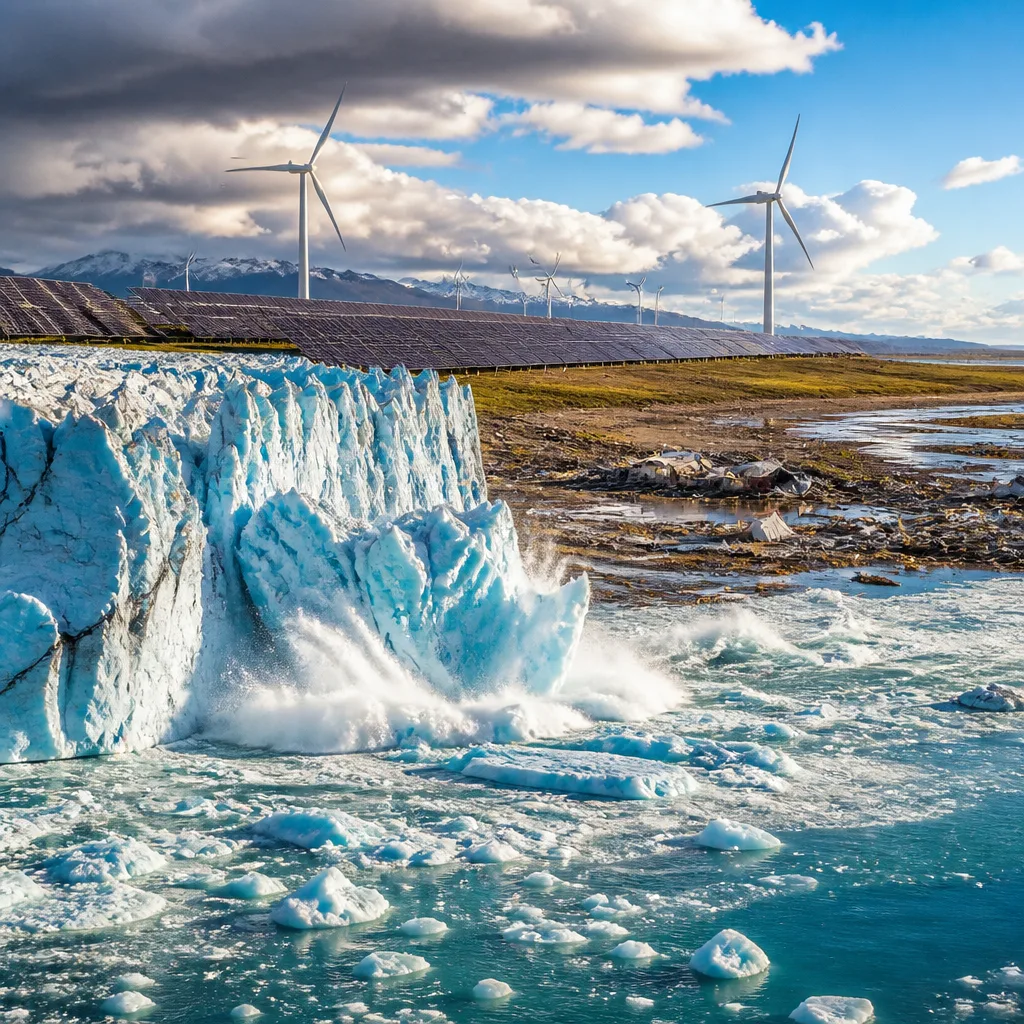
At the same time, he cautioned that the window to secure lasting success is narrow because the pace and severity of climate impacts are increasing. He pointed to a string of extreme events and singled out a recent glacier collapse and flooding in Nepal that killed 1,300 people as an example of the mounting human toll.
“While we're in grave danger, but I think there is a possibility that 2026 will be looked back upon in the history books as the beginning of a positive tipping point,” Gore said.
Historical comparisons and moral framing
Gore framed the fight against climate change alongside major moral movements of the past, comparing it to the US civil‑rights movement, Nelson Mandela’s struggle against apartheid and campaigns for women's equality. He argued that, as with those movements, advocates repeatedly confronted despair but persisted.
“And in all of those prior movements, there were times when the advocates felt despair but they kept going because courage is not the absence of fear, it's the determination to go forward in spite of it,” he said, according to the AP report.
Nature and the escalating risks
While expressing a cautious optimism about energy transition trends, Gore emphasised that nature is increasingly sending alarming signals. He said warming is accelerating and that extreme weather events are becoming both more frequent and more severe.
“We’re seeing these extreme events come fast and furious. They’re worse as well as more frequent. ... It’s like a nature hike through the book of Revelation,” Gore said.
Implications for policy and global action
Gore’s assessment underscores a dual challenge for governments: to accelerate replacement of fossil fuels with renewables and to step up adaptation and disaster preparedness for growing climate impacts. His remarks at a high‑profile climate gathering will add pressure on national policymakers and multilateral institutions to deliver more ambitious emissions reductions and resilience measures.
- Energy transition: Gore highlighted the overtaking of renewables over fossil fuels as a hopeful sign, suggesting a potential peak in coal, oil and gas usage.
- Accelerating impacts: He warned that warming and extreme events are getting worse and more frequent, raising stakes for mitigation and adaptation.
- Moral urgency: Gore likened the climate struggle to historic rights movements, framing it as a long‑term moral and political endeavour.
| Item | Detail from Gore's remarks |
|---|---|
| Possible historic turning point | 2026 could be seen as the start of a “positive tipping point” |
| Human cost example | Glacier collapse and flooding in Nepal killed 1,300 |
| Tone | Temperamentally optimistic but warning of extremely grave dangers |
Gore’s public commentary comes amid a period of intense international attention to climate policy, where pledges to reduce emissions increasingly collide with the realities of extreme weather, loss of life and economic disruption. For countries worldwide, including those in South Asia, the twin tasks of accelerating clean energy deployment and boosting resilience are growing more urgent.
His remarks are likely to be cited in debates over national decarbonisation timetables, finance for adaptation and loss and damage discussions at multilateral negotiations. They underscore the political as well as scientific dimensions of climate action, stressing that shifts in public sentiment and policy can be decisive but are not guaranteed without sustained effort.
Reporting is based on an interview published by The Associated Press during New York Climate Week.