The Islamic Revolutionary Guard Corps (IRGC) said the reopening of the strategic Strait of Hormuz is contingent on the United States accepting Iran’s conditions, and that the issue is unrelated to separate negotiations between Tehran and Muscat, the Iranian Fars News Agency reported.
IRGC statement and US-Oman talks
IRGC spokesperson Sardar Hossein Mohebbi was quoted as saying that the restoration of normal commercial passage through the waterway depends on Washington agreeing to terms set by Iran. The remark came after a US official, speaking on condition of anonymity to Reuters, said progress had been made in talks between Iran and Oman that could lead to the reopening of the Strait.
The US official told Reuters that Washington expected a near-term agreement between Iran and Oman, who both border the strait, to allow standard commercial oil shipments to resume. The official said the United States would lift its blockade of Iranian ports once an agreement restoring commercial shipping without impediments was announced, while adding that US actions would remain "performance-based and tied to Iran's implementation of its commitments."
"There is progress between Oman and Iran on the strait, and we expect a deal soon. Once the deal is announced to restore commercial shipping without impediments, the United States will lift the blockade of Iranian ports," the US official said, according to Reuters.
Why the Strait matters
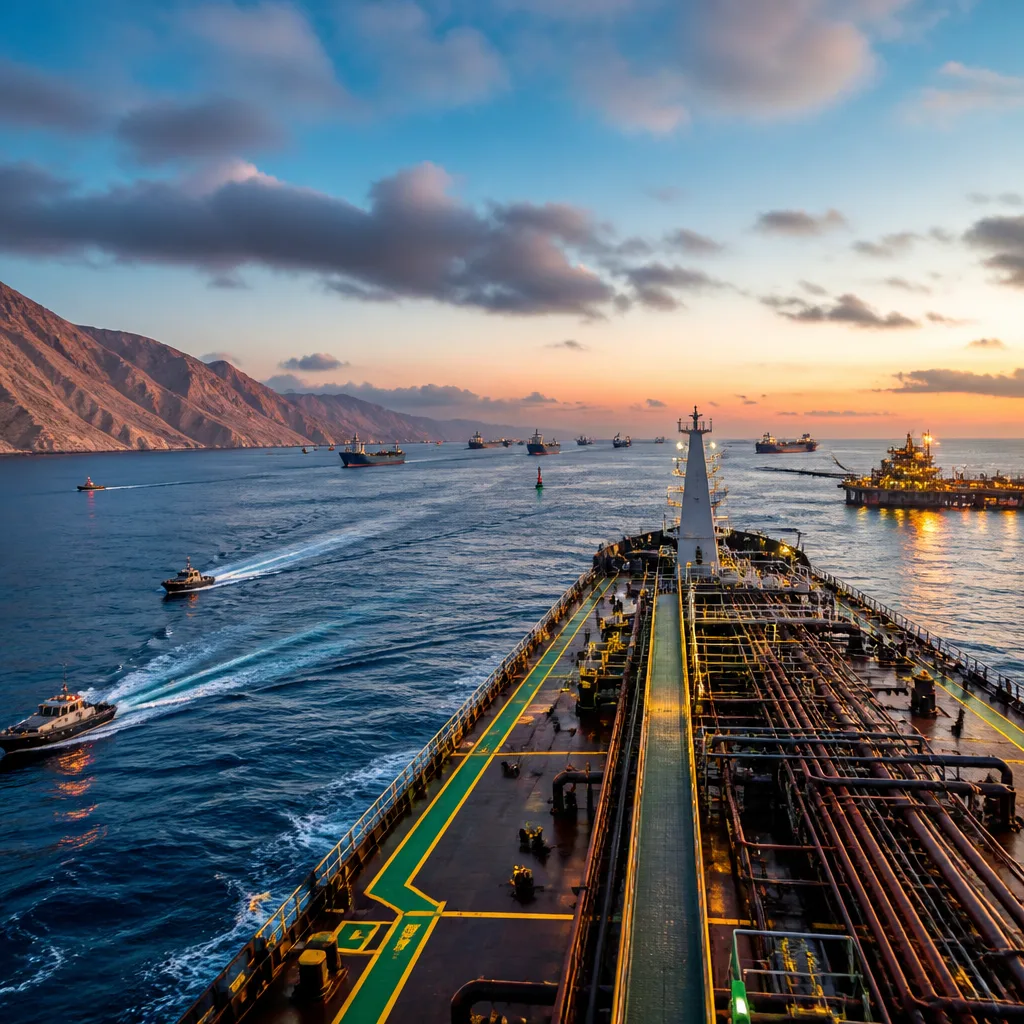
The Strait of Hormuz is one of the world’s most important maritime chokepoints for oil. Any sustained restriction on transit through the strait affects global energy markets, insurance costs for shipping, and the supply chains of importers, including India, which depends heavily on seaborne oil supplies from the Gulf region.
Analysts and market participants monitor developments around the strait closely because disruptions can trigger sharp movements in crude prices and compel buyers to seek alternative, often costlier, routes and supplies. The five-month-old conflict referred to in reporting has already disrupted exports from the region, increasing global concern about energy security and maritime safety.
Positions and potential next steps
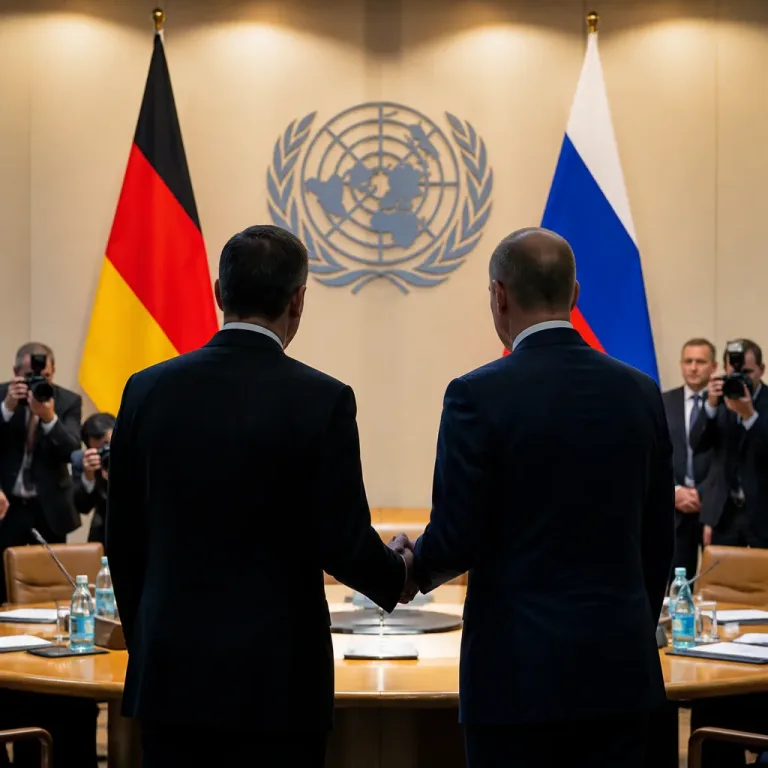
The statements from the IRGC and the anonymous US official suggest distinct diplomatic tracks: Tehran signalling strict preconditions for reopening, while Washington points to progress via Oman as the immediate pathway to restoring commercial navigation.
- IRGC: Reopening depends on the US accepting Iran’s conditions; not linked to Iran–Oman talks (Fars).
- US official (to Reuters): Progress in Iran–Oman talks; expects a deal soon that would lead the US to lift a blockade of Iranian ports once Iran meets its obligations.
| Actor | Stance |
|---|---|
| IRGC | Reopening contingent on US acceptance of Iran's conditions |
| US official (anonymous) | Progress in Iran–Oman talks; expects deal and US will act when Iran fulfils commitments |
How these positions are reconciled will determine the speed and scope of any reopening. The US official emphasised that future US steps would remain performance-based, signalling that Washington would require concrete implementation of commitments by Tehran before altering its measures.
Implications for India and the region
For India, a stable and open Strait of Hormuz is essential to secure uninterrupted crude imports from Gulf suppliers. Any prolonged obstruction could raise fuel import costs, add to inflationary pressures and force New Delhi to seek alternative sources or strategic petroleum releases. A diplomatic resolution that restores safe commercial transit would be welcomed by consuming nations, while a prolonged standoff risks higher energy market volatility.
The differing public formulations by Tehran’s military arm and a US official point to continued diplomatic complexity. Oman’s role as interlocutor between Iran and other states has been longstanding; whether bilateral Iran–Oman arrangements will satisfy US demands — or whether Washington requires direct assurances from Tehran — remains a core diplomatic question.
As reporting stands, negotiations are described as advancing by a US official, while Iranian military statements insist on US acceptance of Tehran’s conditions as the essential step. Observers will watch for formal announcements from Tehran, Muscat or Washington to clarify timelines and the precise commitments required to restore commercial navigation through the Strait of Hormuz.
Compiled from reports by Fars and Reuters.