WASHINGTON — The Associated Press, citing two regional officials, said on Tuesday that United States President Donald Trump threatened to "bomb" Oman as ire over the Gulf state's proposed pact with Iran on management of shipping through the Strait of Hormuz escalated. Neither the White House nor Omani authorities issued immediate comment on the charge.
Threat during Fox interview, officials say
According to the AP summary of the accounts, the remark arose in an interview Mr Trump gave to Fox News correspondent Trey Yingst. The president was quoted as saying in the exchange that "if Oman gets in the way, we'll bomb the shit out of them," remarking on ongoing discussions between Muscat and Tehran over joint oversight of navigation in the critical waterway.
"If Oman gets in the way, we'll bomb the shit out of them." — as quoted by Trey Yingst on X about his interview with the president
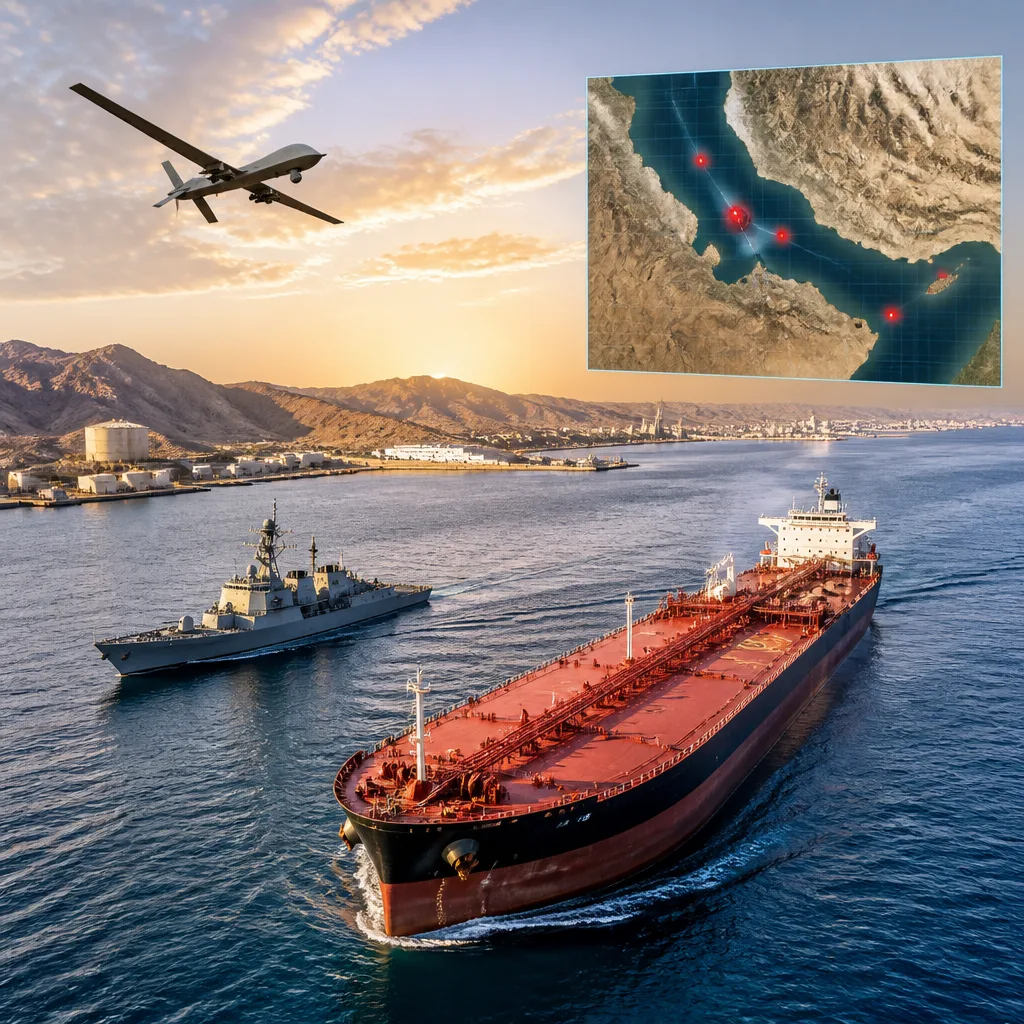
The officials cited by the AP said the Trump administration had formally conveyed its objections to specific elements of the draft accord between Oman and Iran, particularly arrangements that would see shared management of the exit route from the strait, a chokepoint for global shipments of oil and natural gas. Washington is said to be uneasy that Muscat accepted voluntary levies on vessels, even if framed as fees for security or environmental protection.
Diplomatic friction and regional stakes
The allegations come as Iran announced it was close to finalising an understanding with Oman on managing shipping through Hormuz and preparing a joint statement. The dispute underscores the fragility of Gulf diplomacy at a time when international attention remains fixed on energy security and freedom of navigation.
US officials, as described in the AP account, have questioned whether Oman has pressed sufficiently hard in negotiations with Iran. Washington views certain concessions — notably the acceptance of voluntary fees from commercial ships — as problematic because such measures could confer a degree of control over passage that the United States opposes.
In response to the AP’s story, there were no immediate denials or confirmations from the White House or from Oman. The episode illustrates the potential for rhetoric between capitals to intensify long‑running tensions over control and surveillance of the strait, which is used by a large proportion of the world’s seaborne oil.
- Strategic importance: The Strait of Hormuz is a vital conduit for global energy supplies; any alteration to its governance or perceived threat to passage risks market disruption.
- Oman’s role: Muscat has traditionally played a mediating role in Gulf diplomacy, maintaining ties with both Tehran and Western capitals.
- US concerns: Washington objects to joint Iran–Oman arrangements that it perceives as undermining freedom of navigation or bolstering Tehran’s influence.
In the interview thread cited by the AP, the president also urged Iran to "put up the white flag of surrender," according to the posting by Mr Yingst on the social media platform X. The AP story said its two regional sources had knowledge of the matter and were briefed on America's stance.
Implications for India and global energy markets
For India, which imports a substantial share of its crude by sea, developments in Hormuz have direct consequences. Any escalation that threatens maritime traffic or prompts tighter blockades could push up freight and insurance costs and complicate supply chains for oil and LNG. New Delhi has consistently urged the protection of commercial shipping and regional stability while maintaining diplomatic relations across the Gulf.
Analysts say heavy rhetoric between the US and regional states can have outsized diplomatic cost. If the reported threat is confirmed, it would mark an unusually stark publicisation of Washington's objections to a bilateral Gulf arrangement. Even without official confirmation, the charge adds to a pattern of frictions over navigation rights, maritime fees and the role of regional actors in managing strategic waterways.
| Claim | Attributed source |
|---|---|
| President threatened to bomb Oman | The Associated Press, citing two regional officials |
| Quote published by Fox News correspondent Trey Yingst on X | Post by Trey Yingst |
As diplomatic exchanges continue, observers in New Delhi and other capitals will watch for official responses from Washington and Muscat and for any move by Tehran or Oman to set out the terms of a possible joint statement on shipping in the strait.
— Aisha Sheikh, World Desk