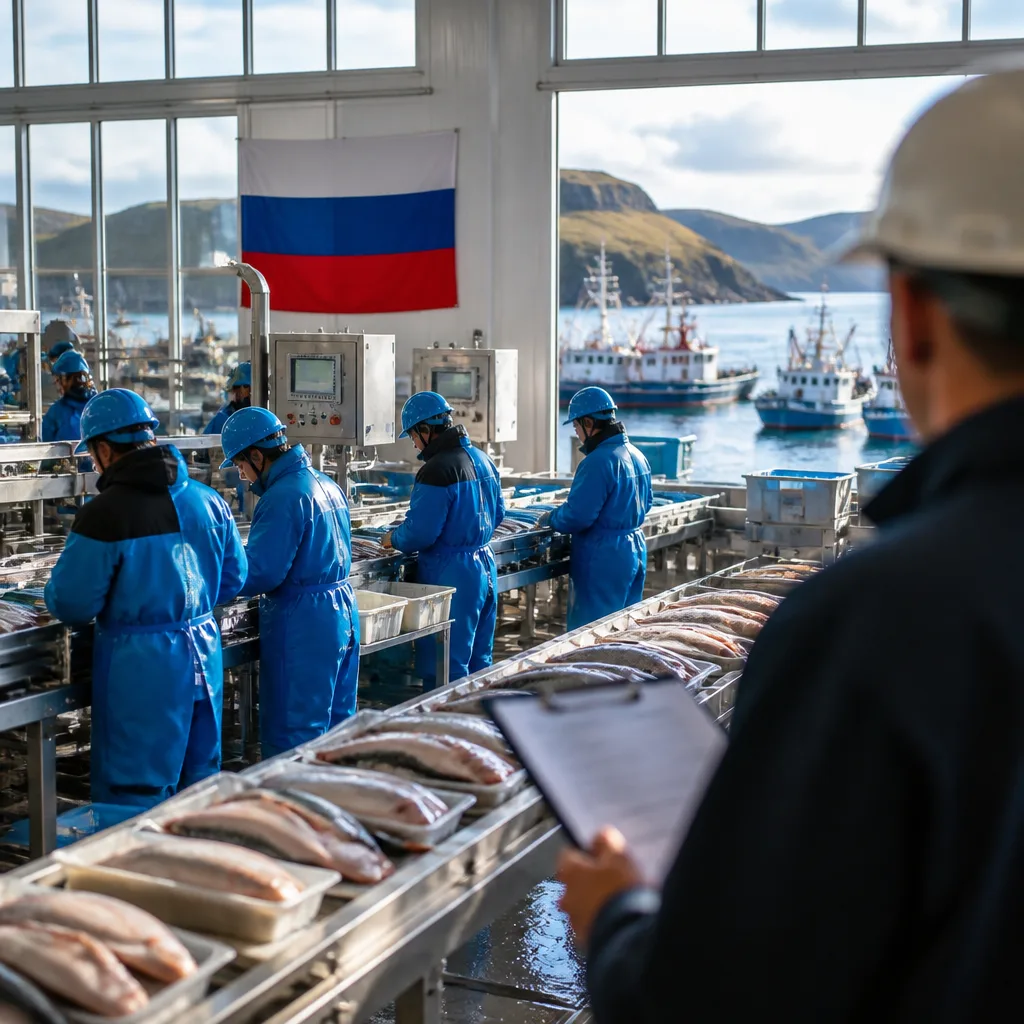
Russian President Vladimir Putin visited the Kuril Islands on Wednesday, marking his first trip to the chain that separates Japan's Hokkaido from Russia's Kamchatka Peninsula and prompting a strong protest from Tokyo. The Kremlin said the president inspected a fish‑processing plant on Iturup (Etorofu), the largest of the islands at the southern end of the chain.
Japan lodges formal protest
Japan's foreign ministry protested the visit, reiterating that the four southernmost islands — Iturup, Kunashir, Shikotan and the Habomai islets — are Japan's “Northern Territories” and are Japan's inherent territory from a historical and legal viewpoint, according to a statement by Japanese Foreign Minister Toshimitsu Motegi. The ministry said it was lodging a strong protest over the visit and demanded clarification.
“The Northern Territories, including Etorofu, are Japan’s inherent territory from a historical and legal viewpoint, and Japan strongly protests the visit,” said Japanese Foreign Minister Toshimitsu Motegi, according to the foreign ministry statement.
The islands were taken by the Soviet Union at the end of the Second World War and remain under Russian administration. Japan has continued to press a claim to the four islands, which has prevented the two countries from concluding a formal post‑war peace treaty.
Context: long‑running dispute and recent strains
The visit comes against a backdrop of worsening Moscow‑Tokyo ties since Russia's full‑scale invasion of Ukraine in 2022. Tokyo has aligned with Western measures against Russia over the Ukraine war, and Moscow's increased emphasis on its Far East territories has periodically reignited diplomatic rows with Japan.
Russian officials said Mr Putin had made a personal pledge in 2024 to visit the islands; the Kremlin described the trip as an inspection of regional economic facilities and said Russia did not pose a threat to Japan. The details provided by the Kremlin highlighted the president's visit to a fish‑processing complex in the village of Kitovoye on Iturup.
- Territorial claim: Japan claims the four southern Kurils as the Northern Territories.
- Russian control: The islands have been administered by Moscow since the end of the Second World War.
- Peace treaty status: A formal post‑war peace treaty between Russia and Japan has never been signed, with the islands dispute a central obstacle.
Implications for diplomacy and regional security
Observers note that high‑profile visits to disputed territories often serve both domestic political and strategic signalling purposes. For Moscow, showcasing investment and presidential attention in the Far East underlines sovereignty claims and economic integration. For Tokyo, protests and diplomatic démarches reaffirm its long‑standing legal and historical claim and are intended to keep international attention on the dispute.
While the Kremlin emphasised that the visit was non‑provocative and focused on local industry, Japan's formal protest underscores the sensitivity of any official Russian actions on the islands. The dispute remains one of the most persistent bilateral issues in East Asia and a principal reason why Japan and Russia have not normalised relations following the Second World War.
| Island (Russian name) | Japanese name | Status |
|---|---|---|
| Iturup | Etorofu | Administered by Russia; claimed by Japan |
| Kunashir | Kunashiri | Administered by Russia; claimed by Japan |
| Shikotan | Shikotan | Administered by Russia; claimed by Japan |
| Habomai (islets) | Habomai | Administered by Russia; claimed by Japan |
The episode is likely to complicate bilateral diplomacy in the near term. Tokyo may seek clarification through diplomatic channels and could elevate its objections in multilateral forums, while Moscow is expected to maintain its administrative and economic activities on the islands. For New Delhi and other regional capitals, the incident is a reminder of how unresolved historical territorial issues continue to shape East Asian geopolitics after decades.
Further developments will be watched closely by governments in the region, particularly as leaders balance bilateral engagements with wider strategic concerns arising from the Ukraine conflict and shifting power dynamics in the Indo‑Pacific.