Pakistan's Interior Minister Mohsin Naqvi met Iran's President Masoud Pezeshkian and Foreign Minister Abbas Araghchi in Tehran on Tuesday in an effort to follow up on a stalled US‑Iran memorandum of understanding and to push forward Islamabad's mediation initiative, Iranian state media reported.
Purpose of the visit
Diplomatic sources cited by Iran's official news agency IRNA said Naqvi travelled to Tehran to discuss bilateral ties and issues of mutual interest and to pursue Pakistan's role as a guarantor of an interim agreement between Washington and Tehran. The visit follows the derailment of an interim accord last month as tensions in West Asia escalated and both the US and Iran resumed military strikes, according to the report.
Naqvi was received at the airport by his Iranian counterpart, Eskandar Momeni, and held talks with Foreign Minister Araghchi. Photographs of the meeting were posted on X by IRNA. The minister is also expected to meet President Pezeshkian again during the visit, IRNA said.
"The relationship between the neighbours is strong, long-standing and unbreakable," Naqvi told President Pezeshkian, and he conveyed Islamabad's "serious determination and will" to pursue comprehensive development of ties with Tehran, the agency reported.
Where mediation stands
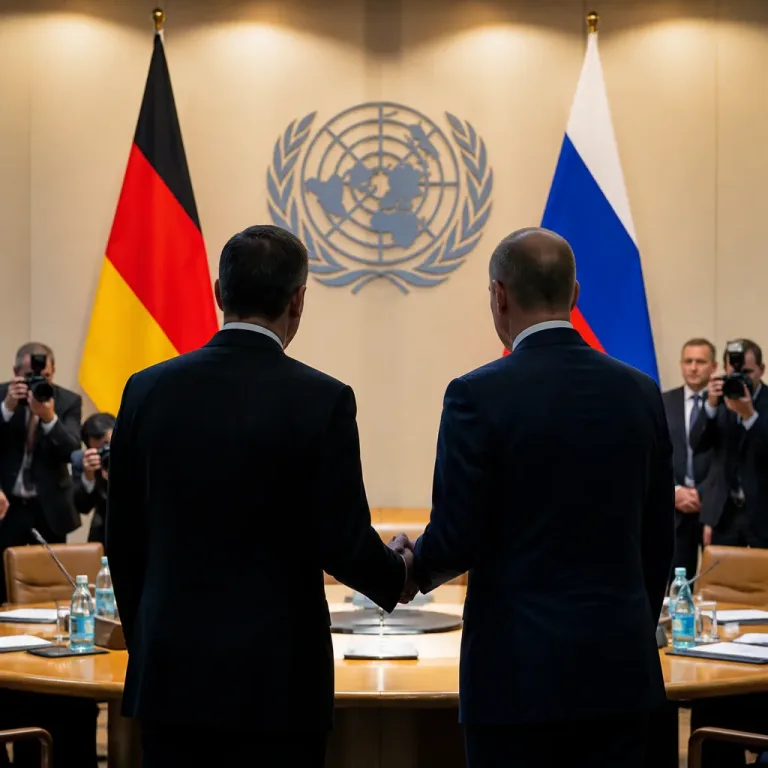
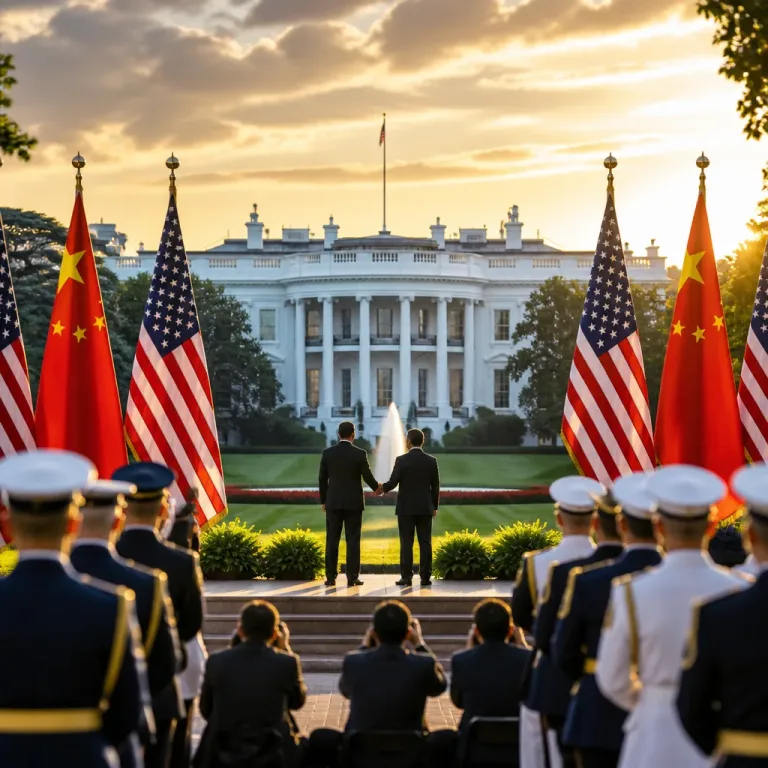
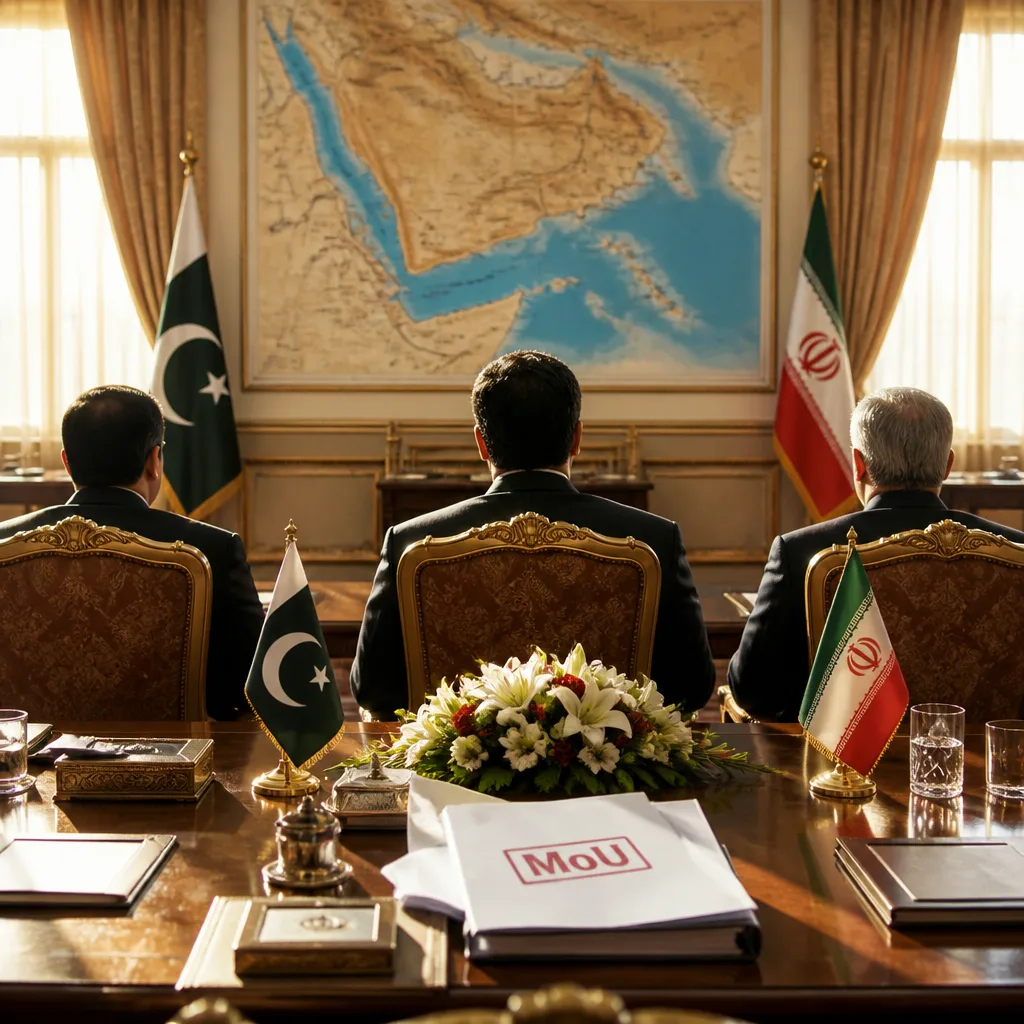
According to a diplomatic source cited by local media, the principal objective of Naqvi's visit was to follow up on the Memorandum of Understanding (MoU) signed in June by the United States and Iran. That MoU was intended to open a 60‑day window for high‑level talks aimed at restoring peace, but the process was disrupted last month as clashes and military strikes resumed in the region.
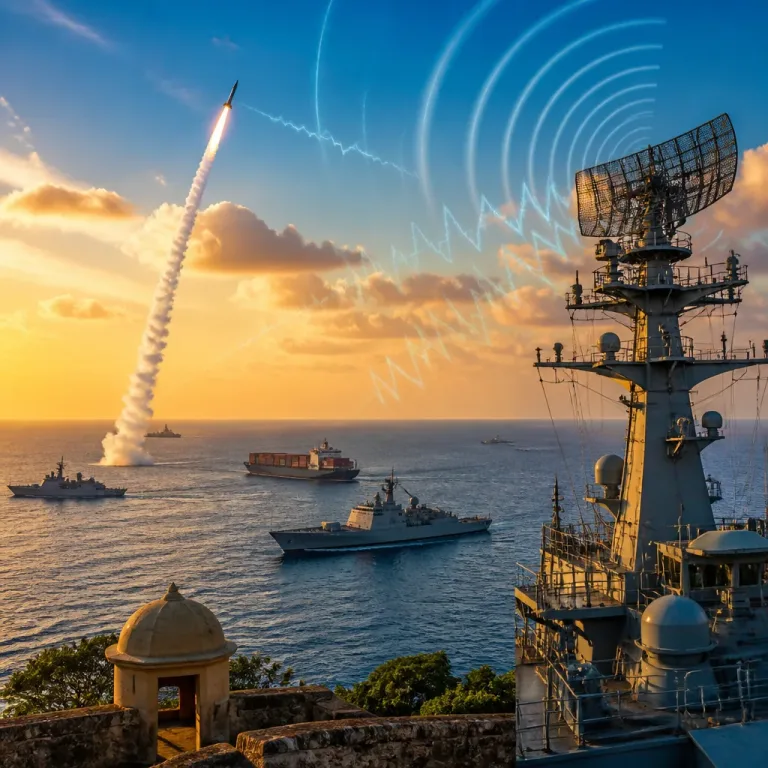
Pakistan has been actively pushing to revive mediation efforts, but so far those efforts have failed to yield a breakthrough. The report noted that Oman has taken a more prominent mediating role, particularly on the contentious issue of the Strait of Hormuz, which is vital to global energy supplies. Iran has indicated it is close to a separate understanding with Oman to manage the strait, a development that could affect wider negotiations.
Implications for regional stability and energy security
The breakdown of the US‑Iran interim accord and subsequent resumption of hostilities have heightened concerns across the region. The Strait of Hormuz, a strategic waterway through which a significant portion of the world’s seaborne oil shipments pass, is a focal point in discussions. Any arrangements between Iran and Oman to manage the strait could influence the calculus of other regional actors and global markets.
For Pakistan, the visit underscores Islamabad’s dual priorities: preserving and enhancing bilateral ties with Iran and attempting to stabilise a conflict that has direct consequences for neighbouring countries. The Pakistani minister’s emphasis on an "unbreakable" neighbourly relationship and Islamabad’s determination to deepen ties with Tehran reflects both diplomatic signalling and pragmatic interest in regional calm.
Meetings and next steps
IRNA reported that Naqvi and Araghchi planned detailed bilateral discussions during the visit. Pakistani media cited a diplomatic source saying Naqvi is expected to meet President Pezeshkian again. The immediate outcomes of the meetings were not detailed in Iran’s dispatch.
- Who met whom: Pakistan Interior Minister Mohsin Naqvi with Iran’s President Masoud Pezeshkian and FM Abbas Araghchi.
- Main objective: Follow up on stalled US‑Iran MoU and revive mediation efforts.
- Regional context: Oman’s mediation on the Strait of Hormuz and renewed US‑Iran military actions.
| Actor | Role in visit |
|---|---|
| Mohsin Naqvi | Pakistan Interior Minister; seeking to revive mediation |
| Masoud Pezeshkian | Iranian President; met Naqvi to discuss bilateral ties |
| Abbas Araghchi | Iranian Foreign Minister; held talks with Naqvi |
The visit highlights Islamabad’s continued diplomatic engagement amid an uncertain regional security environment. With the MoU process suspended and multiple mediators involved, the trajectory of any renewed US‑Iran talks remains unclear. Pakistan’s role as a guarantor and intermediary will depend on the goodwill of other parties and the evolving dynamics between Tehran, Washington and regional actors such as Oman.
Further details of Naqvi’s discussions and any concrete steps to revive the 60‑day framework were not available in the IRNA report.