Moscow — Russian President Vladimir Putin on Wednesday warned European countries that Russia would be "forced to respond in kind" if additional attacks or seizures of Russian vessels occur, comments that come amid European plans to intercept and seize ships suspected of belonging to Moscow's so‑called "shadow fleet," reported accounts of the event.
Escalatory rhetoric as Europe targets suspected shadow fleet
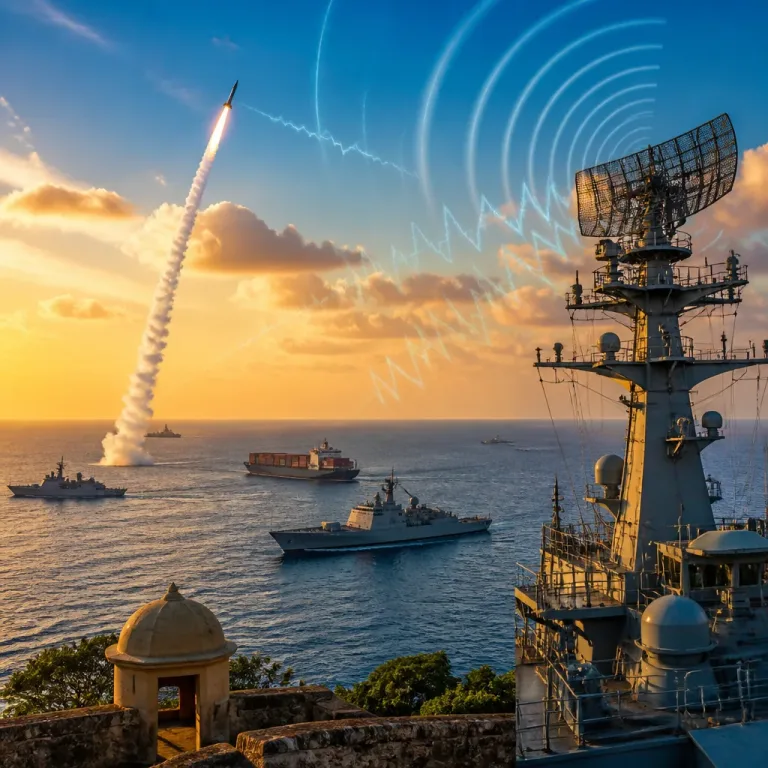
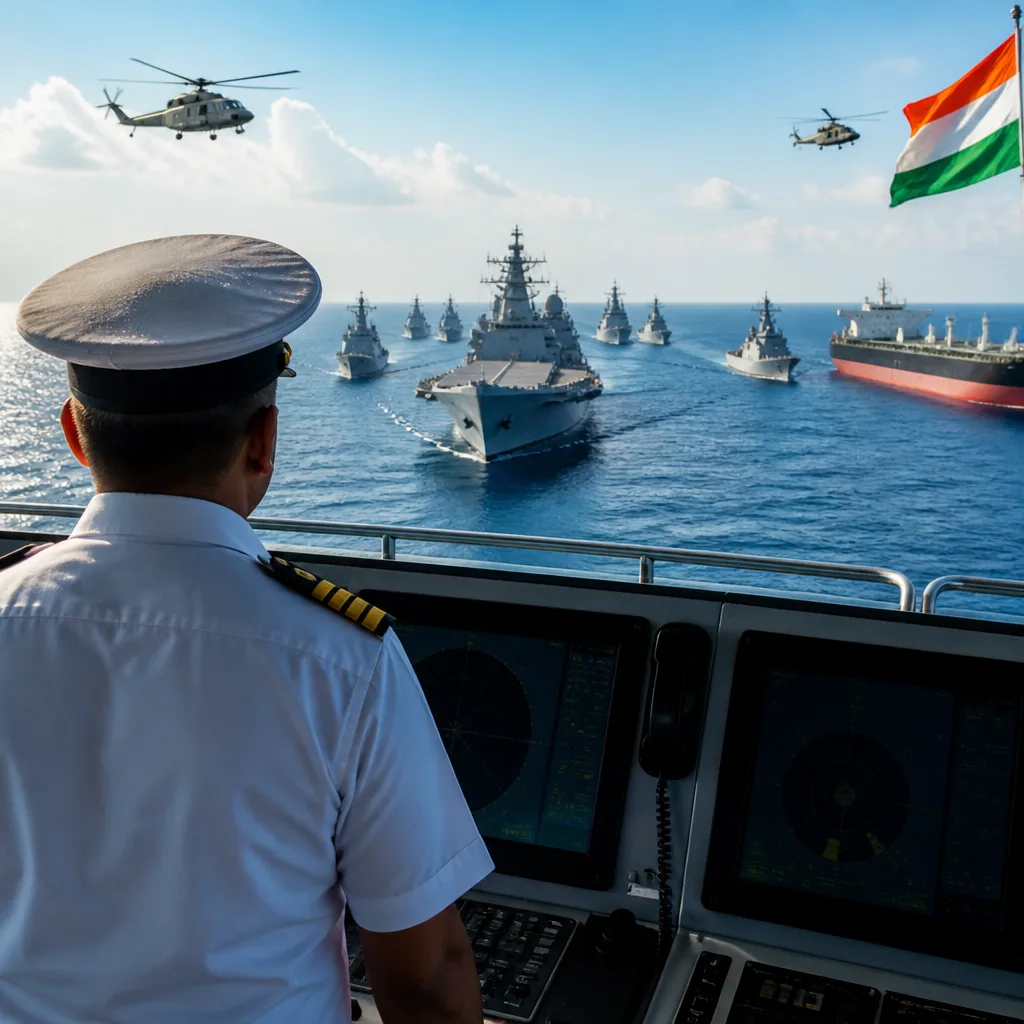
Putin made the comments while overseeing naval drills, emphasising Russia's readiness to take reciprocal measures should European states proceed with detentions of Russian ships. The warning follows proposals by several European governments to interdict vessels believed to be part of a covert network transporting sanctioned Russian oil and other cargoes.
"[Russia will be] forced to respond in kind"
European officials have been discussing mechanisms to disrupt what they describe as a shadow fleet that helps Russia circumvent international sanctions. The exact scope of planned interdictions was not detailed in the reporting; European governments have signalled an intent to use legal and maritime tools to stop vessels linked to sanction‑evasion networks.
Risk of maritime tit‑for‑tat and wider consequences
Analysts say the exchange of warnings raises the risk of a maritime tit‑for‑tat between Russia and European states, potentially complicating shipping across critical sea lanes. Any reciprocal seizures or interdictions could increase tensions in regions where commercial and naval traffic are already dense, and may have repercussions for global energy and commodity flows.
For India, which imports energy and trades extensively by sea, disruptions or heightened risks to shipping can translate into commercial and logistical challenges. Indian shipping companies and insurers routinely monitor geopolitical flashpoints; a rise in vessel detentions or retaliatory measures would affect freight rates, insurance premiums and routing decisions.
What is at stake
- Maritime security — reciprocal seizures could draw naval assets into contested operations, increasing the likelihood of miscalculation at sea.
- Energy and trade — actions against vessels suspected of sanction‑evasion can alter oil flows and insurance conditions that influence global markets.
- Legal and diplomatic norms — the use of seizure as a tool raises questions about the legal basis and coordination among states enforcing sanctions.
The Russian president's remarks came during a visit to the Pacific Fleet’s drills on Sakhalin Island, where he reviewed naval capabilities. The public statement is part of a broader pattern of Russian responses to Western measures since the large‑scale sanctions regime was imposed following Moscow's actions in recent years.
| Actor | Position/Action |
|---|---|
| Russia (President Putin) | Warning of reciprocal seizures if European actions continue |
| European governments | Planning interdictions of vessels suspected to be part of a shadow fleet |
The contours of any European operation to seize ships depend on legal assessments, port state controls and cooperation among navies and coastguards. Officials in Europe say action is being calibrated to avoid unintended escalation, though Russia’s response suggests Moscow views such measures as crossing a red line.
Diplomatic channels will be central to de‑escalation. Regional and global shipping organisations, insurers and commercial operators are likely to press for clarity and coordination to limit disruptions. How Moscow translates its warning into concrete measures remains to be seen; analysts caution that reciprocal seizures would risk drawing more states into direct confrontation at sea.
The development is the latest episode in a broader geopolitical contest played out on the oceans, where legal, commercial and security priorities intersect. Governments and industry are watching closely for both the operational details of any interdictions and the nature of Russia's reply, given the potential consequences for trade and maritime safety worldwide.