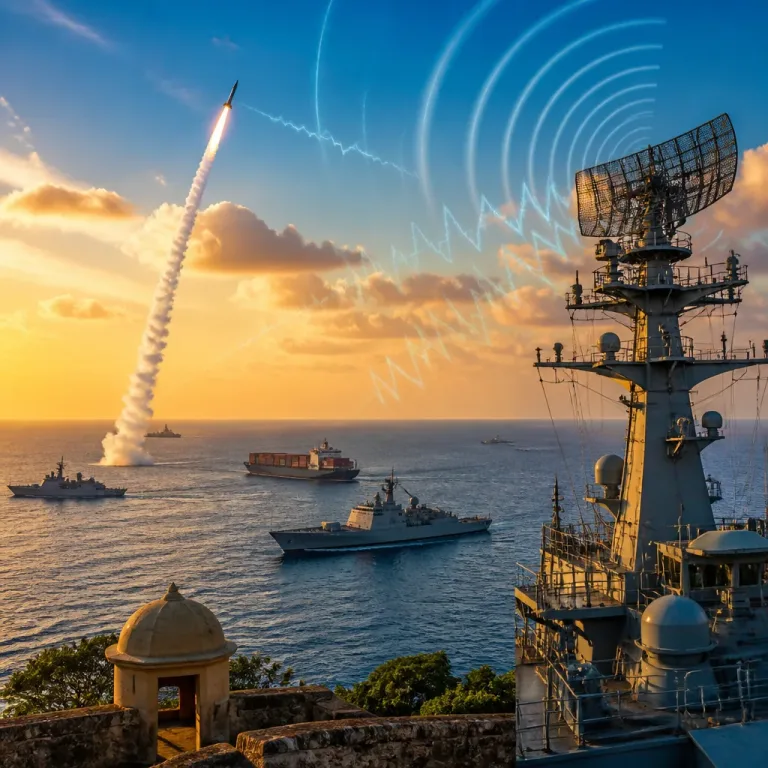
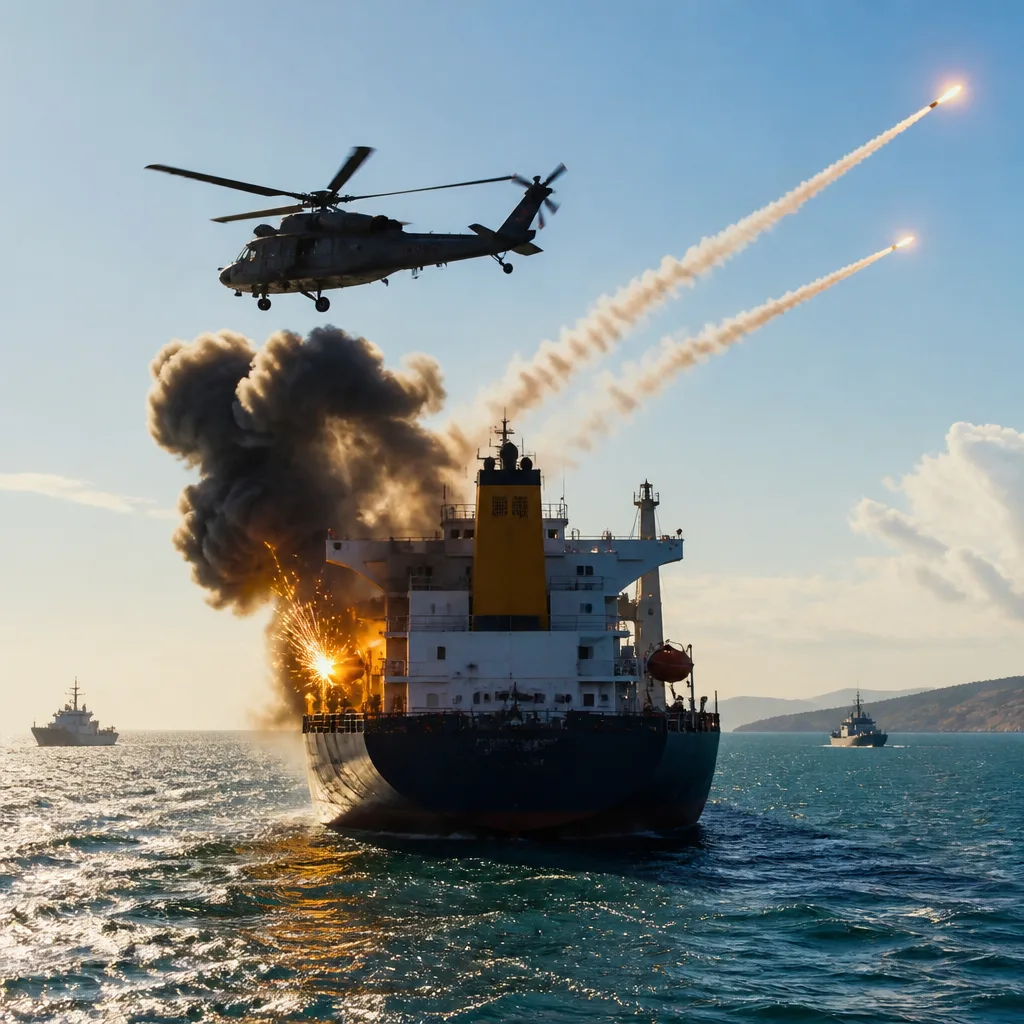
WASHINGTON/DOHA — A United States Navy MH‑60 helicopter fired missiles into the engine room of the Panama‑flagged cargo vessel M/V Vela Nova on Tuesday, disabling the ship after its crew allegedly ignored repeated warnings while attempting to transit toward an Iranian port, US Central Command (CENTCOM) said.
CENTCOM says blockade remains in effect
The strike, announced by CENTCOM on social media, came as US forces enforce a blockade on Iranian ports that was reinstated on 14 July. CENTCOM said the action rendered the vessel "no longer transiting to Iran in violation of the US blockade, which remains in full effect." The military reported no casualties in the operation.
"is no longer transiting to Iran in violation of the US blockade, which remains in full effect," CENTCOM said.
The incident is the third time US forces have used force to halt a vessel since the blockade's reinstatement in mid‑July. CENTCOM said it had redirected 55 ships attempting to breach the blockade and had boarded two others as of Tuesday.
Background and prior operations
The US previously maintained a blockade between 13 April and 18 June, during which CENTCOM said nine ships were disabled and more than 140 were redirected. The latest operation underscores continued US naval efforts to prevent maritime traffic from supplying Iranian ports, a measure Iran has demanded be lifted as a condition for reopening the strategically vital Strait.
While US authorities framed the strike as enforcement against an attempted breach, the action adds to tensions in a region already sensitive due to competing naval operations, proxies, and commercial shipping interests. CENTCOM released images and brief footage of the strike, saying the helicopter fired missiles into the vessel's engine room to disable propulsion.
Implications for shipping, regional security and India
The Gulf of Oman and the Strait of Hormuz are critical choke points for global energy and merchandise shipments. Disruptions or heightened interdiction activity in these waters can have knock‑on effects for freight scheduling, insurance costs and the routing decisions of merchant vessels, including those with ties to India.
Indian carriers and energy imports transit these sea lanes regularly; therefore, sustained enforcement actions or retaliatory measures could affect commercial flows and energy security considerations for New Delhi. New Delhi has repeatedly called for safe, unobstructed passage for merchant shipping in the region but has not publicly taken sides on the US blockade.
- Third interdiction since the blockade was reinstated on 14 July.
- No casualties reported by US Central Command following the disablement.
- Operational tally: 55 ships redirected and two boarded as of Tuesday, CENTCOM said.
Experts and shipping firms closely monitor such incidents for possible escalation, including reprisals by Iranian forces or allied militias in the Red Sea and the Gulf, and for potential changes to maritime insurance premiums and preferred routes.
| Period | Ships disabled | Ships redirected / boarded |
|---|---|---|
| 13 April – 18 June | 9 | More than 140 redirected |
| Since 14 July (reinstated blockade) | At least 3 interdictions (including M/V Vela Nova) | 55 redirected; 2 boarded (as of Tuesday) |
Regional diplomats are likely to emphasise de‑escalation in bilateral and multilateral forums, while flag states and commercial operators assess the legal and insurance ramifications of naval interdictions. Panama is the vessel's flag of registry; CENTCOM described the ship as Panama‑flagged but did not provide details about the ship's owner, operator or cargo.
Iran has publicly demanded an end to the blockade in talks tied to reopening movement through the Strait, making continued enforcement a point of diplomatic contention. For India, whose energy supplies and trade rely on uninterrupted movement through these waters, the episode will be closely watched for any shifts that could affect maritime safety and economic interests.
No independent confirmation of the strike's immediate operational aftermath was available beyond the CENTCOM statement. International and regional actors may now press for clarification on the legal basis and scope of the blockade as well as safeguards for neutral shipping.