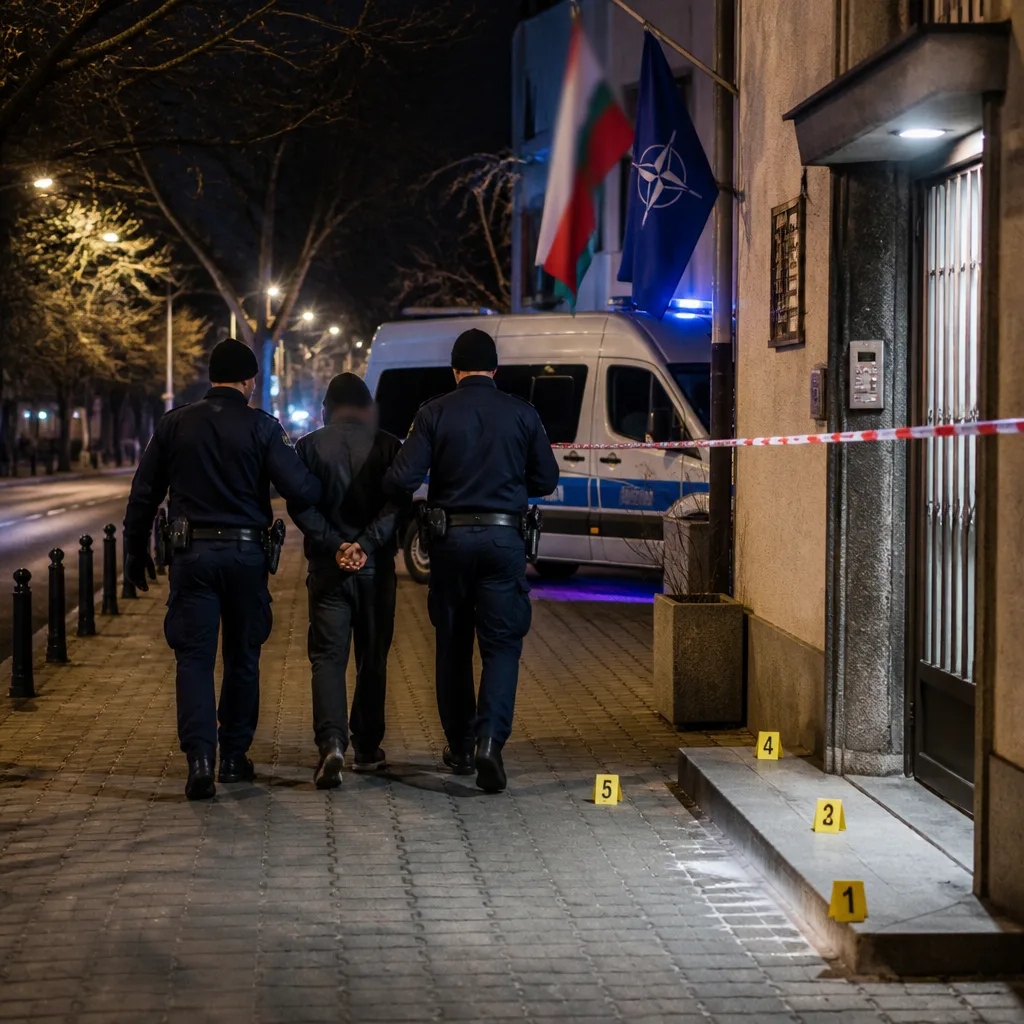
WARSAW: Polish authorities said they thwarted an alleged Russian plot to murder a Ukrainian‑American citizen in Warsaw, detaining a suspect who they say had been recruited by Russian intelligence. The arrest was made on Aug. 7, and the suspect will remain in custody for three months, Warsaw police said.
Co‑operation with US services, Polish leaders say
Prime Minister Donald Tusk described the incident as unprecedented, saying it was the first time that “someone on the order of Russia” sought to attack a US citizen on the territory of another NATO country, according to reporting. Tomasz Siemoniak, the minister overseeing intelligence services, said the operation was carried out in co‑operation with US services and confirmed the targeted victim was a US citizen "of Ukrainian origin." Polish authorities did not immediately provide further operational details.
“The American Ukrainian citizen ‘was uncomfortable for the Putin regime,’” the prime minister said, according to the report.
The US State Department said it was aware of the reports but had no additional information at the time. The Russian Foreign Ministry did not immediately respond to a request for comment.
Context: European concerns about Russian targeting abroad
Western officials have for years warned that Russia has stepped up a campaign of targeted killings and other hostile operations since President Vladimir Putin’s 2022 invasion of Ukraine. Intelligence services in Europe have previously said Moscow’s security apparatus has been willing to use extrajudicial measures against critics, defectors and foreign supporters of Ukraine. The Associated Press has mapped roughly 200 acts of sabotage and hostile incidents across Europe in recent years, according to prior reporting.
Polish leaders emphasised the broader security implications. Mr Tusk warned that authorities must prepare to counter actions by the Kremlin that aim to eliminate or intimidate people it deems inconvenient. The incident reinforces concerns among NATO allies over the safety of individuals living in alliance territory and the potential for foreign services to operate on European soil.
Immediate legal steps and detention
Warsaw police announced the suspect was detained on Aug. 7 and will be held in custody for three months. Authorities have not released the suspect’s identity or details of the alleged recruitment and plot. Prosecutors and security services typically conduct preliminary detention and investigations in such cases while gathering evidence and assessing links to foreign services.
| Detail | Reported information |
|---|---|
| Date of detention | Aug. 7 |
| Custody period | Three months |
| Target | US citizen of Ukrainian origin |
| Co‑operating partner | US intelligence services (reported) |
Officials did not immediately provide the location of the planned attack, the methods allegedly to be used, or further operational specifics. Polish authorities have in past cases said they would not disclose sensitive investigative details that could jeopardise intelligence‑sharing or legal procedures.
Implications for NATO and wider geopolitics
The allegation that a state actor sought to kill a US citizen inside a NATO ally’s territory carries diplomatic and security consequences. NATO members share intelligence and co‑ordinate on defence and counter‑intelligence; an incident of this nature could prompt intensified allied co‑operation on protective measures, surveillance and disruption of hostile activity.
- Poland said it detained a suspect on Aug. 7 and will hold them for three months.
- Polish officials reported the operation involved co‑operation with US services.
- Prime Minister Tusk called the case unprecedented for an attack ordered on a US citizen in a NATO country.
The episode adds to a series of incidents that Western governments link to Moscow’s efforts to influence, intimidate or eliminate opponents outside Russia’s borders. How allies respond — through intelligence sharing, diplomatic démarches or legal action — will be watched closely in capitals from Washington to Brussels and Warsaw. For India, which follows developments in European security and alliances with interest, the case is another reminder of the challenges democracies face from extraterritorial operations and the importance of multilateral security co‑operation.