
Consumer confidence in the United Kingdom climbed to its strongest level in nearly two years in July, driven by the closing stages of the men’s football World Cup and a shift towards domestic holidays, according to Barclays’ long-running monthly spending survey.
Confidence and spending at a glance
Barclays found that 30% of respondents felt confident about the strength of the UK economy in July — a 21-month high and a six percentage-point increase from June. Card spending grew by 2% year on year in July (up from 1.9% in June), while discretionary spending rose 1.6%.
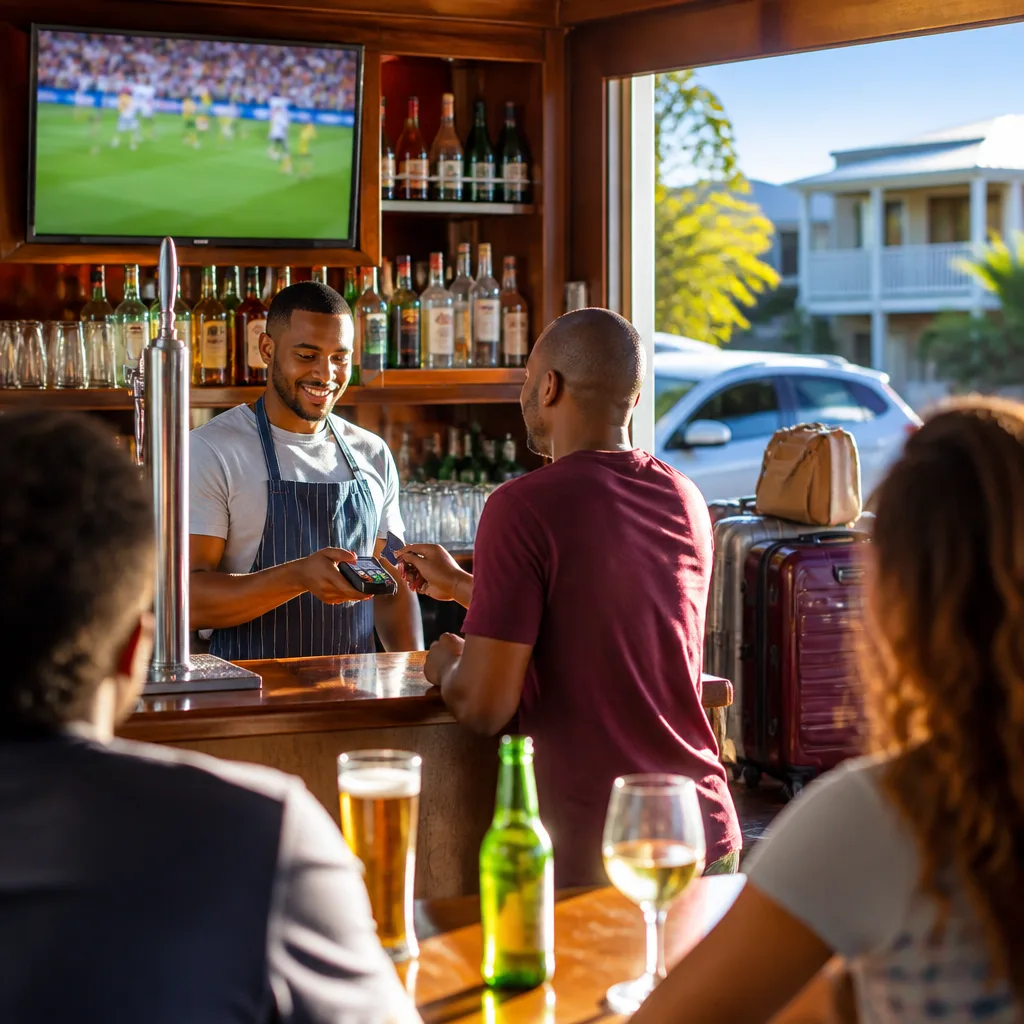
- Pubs: transactions rose about 10%, a lift Barclays linked to England’s World Cup run.
- Accommodation (UK): spending increased 2.6%, reflecting a substitution towards domestic holidays amid a summer of heatwaves.
- Food sales: year-on-year growth of 3.8%, according to the British Retail Consortium (BRC).
"thanks to England’s World Cup run"
Barclays said the report reflected improved feelings about job security and a greater willingness among households to spend on non-essentials after an extended period of uncertainty. The bank also noted that a brief truce in the Middle East in June and the arrival of a new prime minister at No 10 had contributed to the upturn in sentiment.
Sector winners — and who is still under pressure
The leisure and hospitality sectors were among the clearest beneficiaries in July. Cinemas recorded a 2.6% rise in card spending, helped by major releases such as Toy Story 5 and Christopher Nolan’s new film, which Barclays said was Nolan's highest-grossing movie to date.
At the same time, the retail picture remains mixed. The British Retail Consortium reported that while food sales were buoyant, some clothing and department store chains continued to face tough trading conditions and squeezed sales. The BRC’s findings echo other retail reports pointing to a divergence in performance across sub-sectors.
| Measure | July change |
|---|---|
| Consumer confidence (feeling confident about economy) | 30% (up 6pp from June) |
| Card spending (year on year) | +2% |
| Discretionary spending | +1.6% |
| Pubs (transactions) | +10% |
| UK accommodation | +2.6% |
| Food sales (BRC) | +3.8% |
What this means for households and business
For households, modest real growth in card spending and discretionary purchases suggests some easing of the belt-tightening that dominated recent years. Even so, a 2% rise in card spending is not a dramatic rebound, and the benefits appear concentrated in leisure and food services rather than across all retailers.
For businesses and investors, the report highlights the sensitivity of consumer behaviour to short-term events — major sporting tournaments, holidays and weather can shift where consumers direct limited spare cash. Retailers that are exposed to food, leisure and domestic tourism appear to have benefited most in July, while apparel and some department stores continue to face headwinds.
Barclays also pointed to improving views of the wider European economy, which rose by six percentage points to 35% — the highest level the bank has recorded for that measure since it began tracking it in 2015. That offers tentative evidence of a wider lift in sentiment beyond the UK.
While this monthly snapshot provides useful colour on summer spending patterns, the underlying picture remains uneven. Households may feel more confident now than earlier in the year, but the modest pace of spending growth underlines that any recovery in consumer demand is gradual and unevenly distributed across sectors.
Note: Barclays and the British Retail Consortium provided the figures and analysis cited above.













