
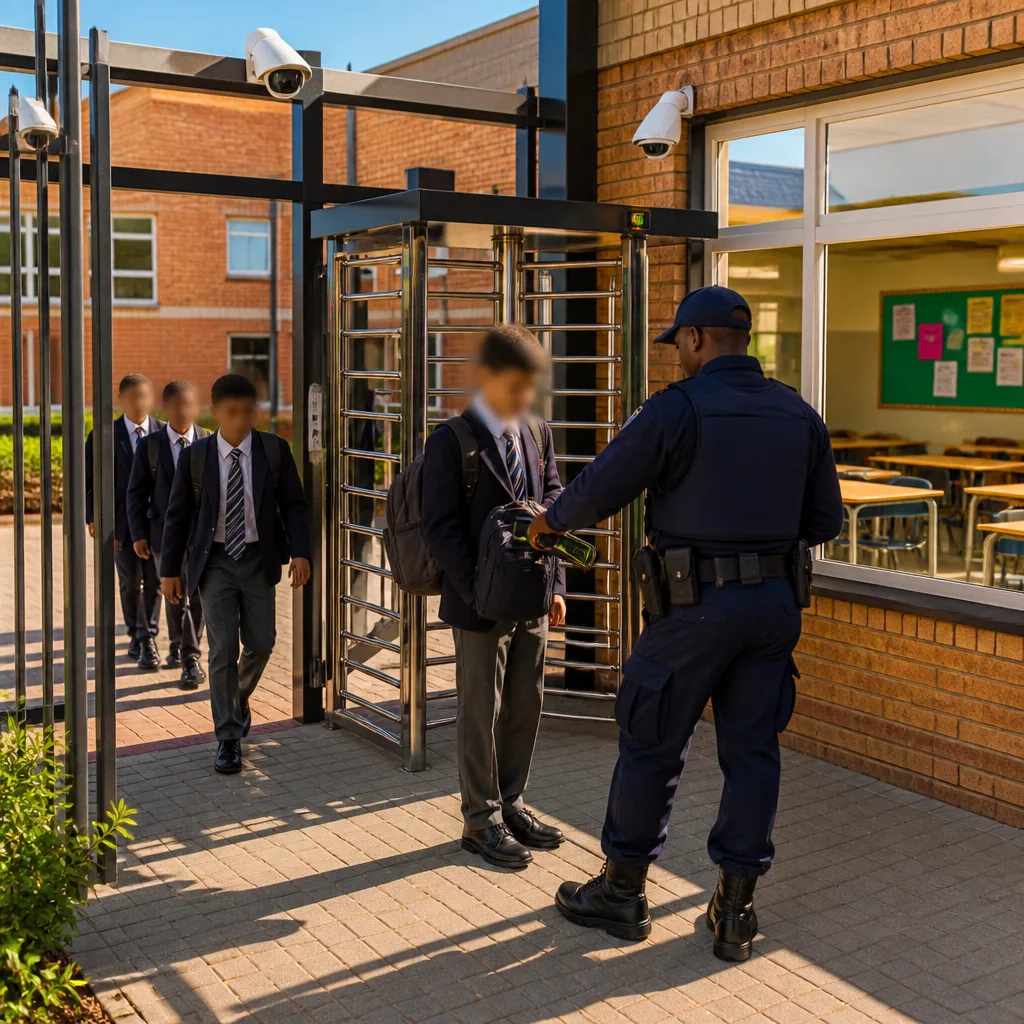
The government-commissioned independent review into antisemitism in UK schools has found that some Jewish school leaders spend more of their time managing security than focusing on education, raising concerns about the learning environment for pupils and the pressures on staff.
Children exposed to antisemitism, review finds
The review, led by David Bell, a former permanent secretary at the Department for Education and ex-chief inspector of schools in England, is due to be published in full in the autumn, the BBC reported. Early findings shared with the BBC indicate the report will recommend a package of measures including teacher training, consistent incident reporting and curriculum work to educate pupils about antisemitism.
Bell told the BBC that Jewish pupils in the UK were “facing a pressure - and indeed one might say even a crisis - that is not the experience of other communities in this country.” The review has collected testimony from pupils and school staff describing a pattern of harassment and intimidation that has moved beyond isolated incidents to affect day-to-day school life.
“When you think about antisemitism, you assume that it's going to be directed towards adults. What's been quite shocking is the extent to which antisemitism is encountered by children and young people.” — David Bell, review chair, quoted by the BBC
Testimony describes hostile classroom environments
The BBC report includes testimony from young people who gave evidence for the review. One teenager recounted severe abuse at school: “People were telling me that I should be in a gas chamber. Swastikas were drawn in lots of classrooms and Nazi salutes became quite widespread,” the pupil said, emphasising the particular pain for those whose families suffered in the Holocaust.
Such accounts underline the emotional and educational cost of sustained antisemitic behaviour in schools: time spent on security, safeguarding and disciplinary action is time taken away from teaching, learning support and enrichment activities.
Anticipated recommendations
The BBC reported the review is likely to recommend several practical steps to strengthen school responses. These measures, as described in advance of publication, include:
- Teacher training on identifying and responding to antisemitism;
- Standardised systems for reporting incidents across schools and local authorities;
- Curriculum materials and programmes to educate pupils about antisemitism and its effects.
A small summary table of the core measures under consideration appears below.
| Area | Proposed focus |
|---|---|
| Professional development | Training for teachers and leaders to recognise and address antisemitism |
| Reporting | Standardisation and clarity in incident recording and escalation |
| Education | Lessons and resources for pupils about antisemitism and its history |
Implications for schools and pupils
If the review’s findings prompt implementation of its anticipated recommendations, schools would need to balance safeguarding and security measures with restoring time and resources for classroom learning. For Jewish pupils in particular, the challenge is twofold: ensuring personal safety while preventing long-term harm to educational attainment and wellbeing.
Teacher training and standardised reporting could help schools identify patterns of abuse earlier and respond more consistently. Curriculum work may also support a whole-school approach that helps pupils understand the history and modern manifestations of antisemitism.
Until the full report is published in the autumn, details of how recommendations will be implemented — and who will fund any new training or resources — remain uncertain. The review’s findings, however, already underline the extent to which prejudice is now being experienced by children and adolescents, rather than being confined to adult spheres.
Education leaders, parents and policymakers will be watching for the final recommendations and the government’s response, because the balance between securing school sites and restoring a focus on teaching will shape the everyday experience of pupils in affected schools.











