A new national survey from education technology firm Everfi shows parents want schools to play a stronger role in teaching money skills and view financial institutions as trusted partners in expanding financial education.
High parental support for mandatory personal finance
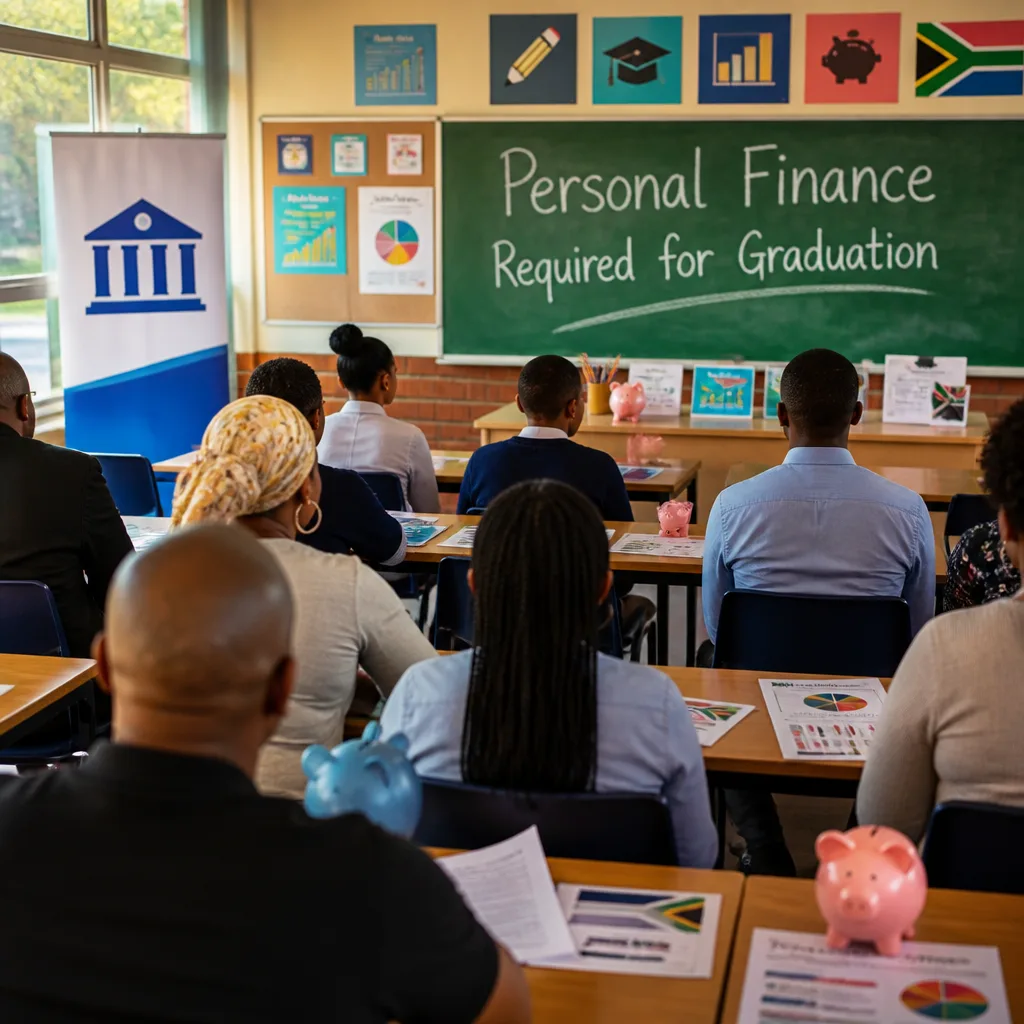
According to the survey, nearly 9 in 10 parents (88%) believe personal finance should be required for high school graduation. A similarly high share, 87%, said teaching children about money is as important as reading, mathematics or science. These figures indicate strong parental demand for formal, curriculum-based financial education rather than ad hoc lessons at home.
"Parents are telling financial institutions that financial education is a part of how they judge an organization's commitment to their families and communities," said Ray Martinez, CEO of Everfi, in reporting released with the survey.
Trust in financial institutions — and a call to act
The survey found that 79% of parents would trust a financial institution more if it provided financial education, and 76% believe banks and credit unions have a responsibility to give back to the communities they serve. Everfi frames these findings as both an opportunity and a responsibility for financial firms to invest in classroom-ready resources and partnerships.
Demand outstrips access
Despite strong parental demand and policies in many jurisdictions that require standalone financial education courses, the survey underlines a persistent access gap:
- 63% of parents are aware of their school or state's financial education requirements.
- 61% report their child has received financial education at school.
These results suggest that while policy progress has been made — the survey notes 30 states now require a standalone personal finance course for graduation — implementation and communication remain uneven. Parents may support policy changes without being aware of local curriculum content or whether their child benefits from it.
Implications for schools, policy-makers and communities
The findings carry practical consequences for education departments, school leaders and community partners. If parents expect personal finance to be core to schooling, education authorities will need to ensure:
- Clear curriculum standards and pathways to graduation that include personal finance;
- Teacher training and classroom resources so lessons move beyond basic concepts to practical, age-appropriate skills; and
- Stronger communication with families about what is taught and how it prepares learners for adulthood.
Financial institutions can play several roles without replacing schools: providing curriculum-aligned materials, training teachers, offering guest sessions or supporting practical experiences such as budgeting projects. The survey suggests parents welcome these contributions and may judge institutions by them.
Data at a glance
| Measure | Survey result |
|---|---|
| Support for compulsory personal finance | 88% |
| View personal finance as important as core subjects | 87% |
| Would trust a financial institution more if it provided financial education | 79% |
| Believe financial institutions should give back | 76% |
| Aware of school/state financial education requirements | 63% |
| Child has received financial education at school | 61% |
For South African education leaders considering how to strengthen financial capability in schools, the survey highlights three practical priorities: align curriculum policy with classroom practice; resource teachers with training and ready-to-use materials; and partner with reputable community organisations, including financial institutions, while safeguarding impartiality and consumer protection.
Parents’ expectations are clear: they want young people to leave school with practical skills to manage money. Meeting that demand will require coordination between education systems, communities and the private sector so financial education becomes accessible, consistent and meaningful for every learner.