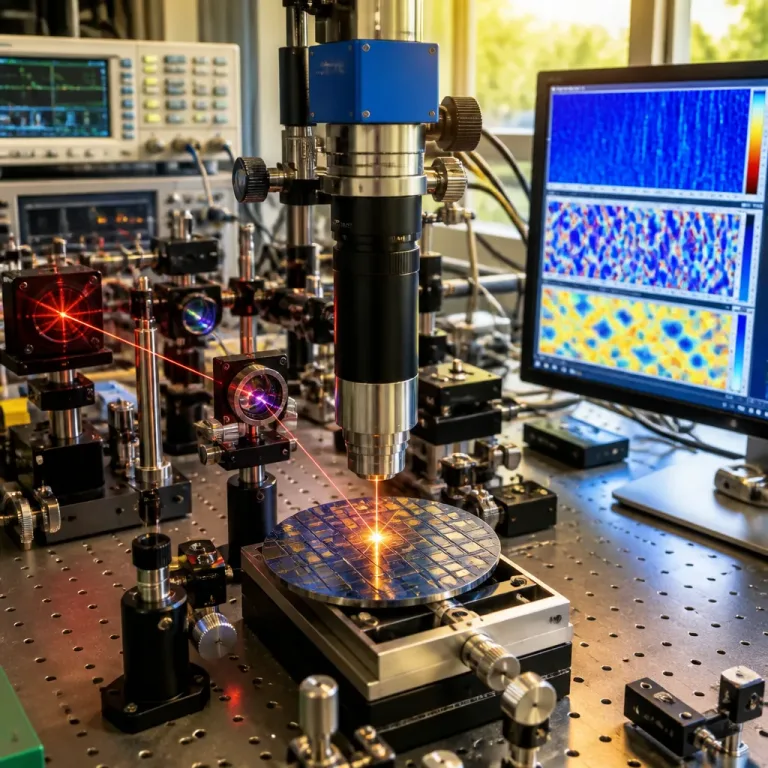
The US National Science Foundation (NSF) has selected the Massachusetts Institute of Technology (MIT) to establish and lead a new Materials Research Science and Engineering Center (MRSEC) that will concentrate on materials technologies for improved medical imaging, more sustainable metals production, and next‑generation semiconductor devices.
What the centre will do
The centre, announced by the NSF on 30 July, brings together 16 research groups drawn from nine departments across four institutions, including five MIT departments, three collaborating universities and a teaching hospital. It is expected to provide multi‑year research funding and will be housed administratively within the MIT Materials Research Laboratory, pending formal negotiation of a research agreement with the NSF.
Associate Professor Rafael Jaramillo of MIT’s Department of Materials Science and Engineering will direct the MRSEC, with Professor Caroline Ross serving as associate director.
"The long‑term goal is for the broader materials and engineering community to see the disruptive potential of bringing researchers together across disciplines to solve complex challenges," Jaramillo said.
The centre will pursue two principal research thrusts:
- Advanced X‑ray detector materials aimed at improving medical imaging — potentially enabling earlier cancer diagnosis, reduced radiation exposure for patients, and enhanced performance for industrial and security imaging systems.
- High‑temperature, sulphur‑based molten materials research intended to transform how some metals and semiconductors are produced, with promise for more efficient metal extraction, improved access to critical materials and new routes to thin‑film semiconductor technologies.
Facilities and wider access
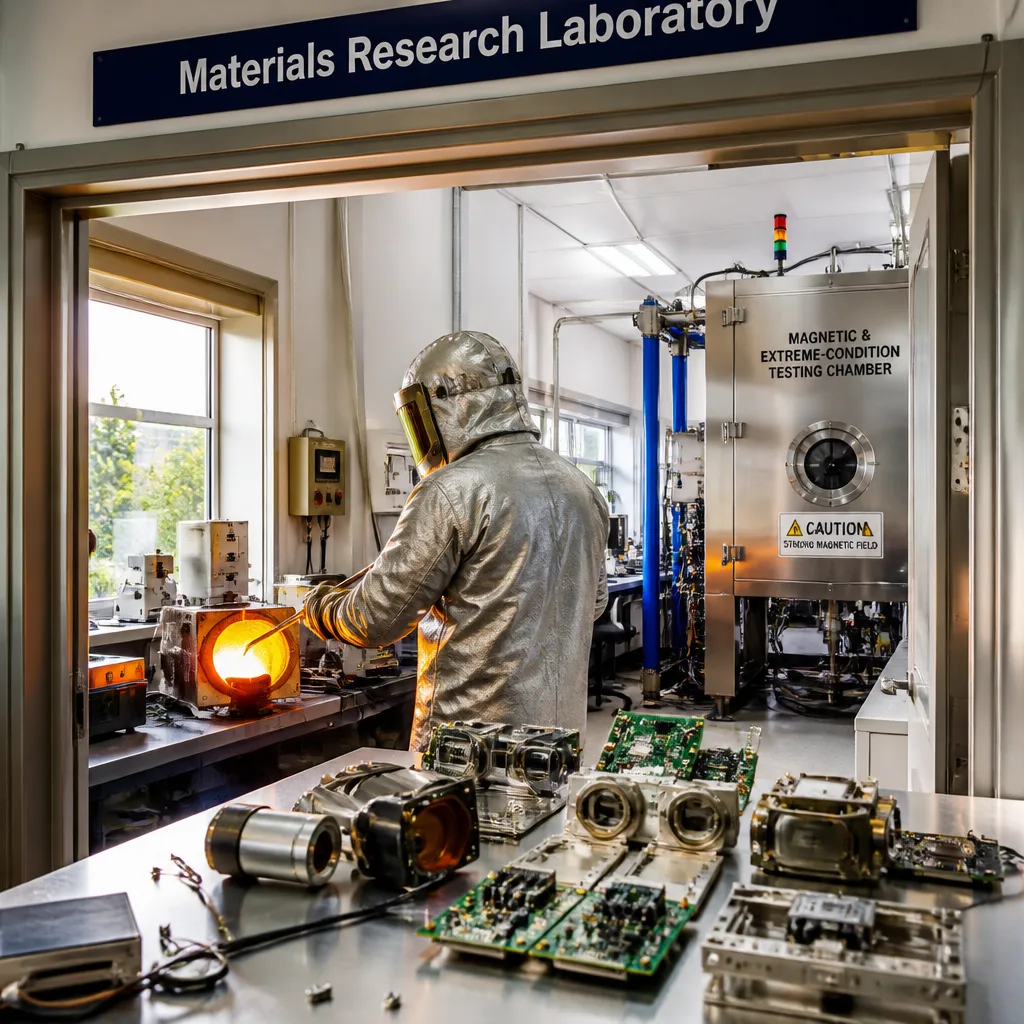
The award will also support the establishment of a shared laboratory for magnetic materials and materials testing under extreme conditions, to be managed by MIT.nano. The facility will be open to both academic and industry users, expanding the nationwide portfolio of NSF‑supported research infrastructure.
| Area | Primary aims |
|---|---|
| Medical imaging | Engineer specialised detector materials to improve image quality and reduce radiation doses |
| Metals production | Develop sulphur‑based molten material methods for more efficient metal and semiconductor manufacture |
| Infrastructure | Shared laboratory for magnetic and extreme‑condition testing, open to academia and industry |
The centre’s cross‑disciplinary setup — spanning materials science, engineering and clinical partners — is deliberately designed to accelerate translation of laboratory advances to practical applications in diagnostics, manufacturing and electronics.
Why this matters
Materials research underpins progress in many high‑impact technologies. Improvements in detector materials can directly affect clinical practice by improving diagnostic sensitivity and lowering the radiation burden for patients. Meanwhile, alternative high‑temperature chemistries for metal and semiconductor production could reduce energy consumption and ease access to specialised materials used in electronics and renewable energy technologies.
By creating a shared test facility, the centre aims to lower barriers for other researchers and industry groups to work on challenging materials problems, encouraging collaboration across institutions and sectors. For South Africa and other countries, the centre’s outputs — improved detectors, new production methods, and open access facilities — could eventually influence local research priorities, supply chains and manufacturing approaches, although any direct partnerships or technology transfers would depend on subsequent collaborations and agreements.
NSF MRSEC awards are typically competitive and intended to seed long‑term research communities. By consolidating diverse expertise and laboratory capacity, the MIT centre seeks to demonstrate how concerted, interdisciplinary effort can address complex problems in diagnostics and materials production.
Further details about participating non‑MIT institutions, specific project teams and the formal funding arrangement will be revealed as MIT and the NSF finalise their agreement and publicly release programme documentation.