
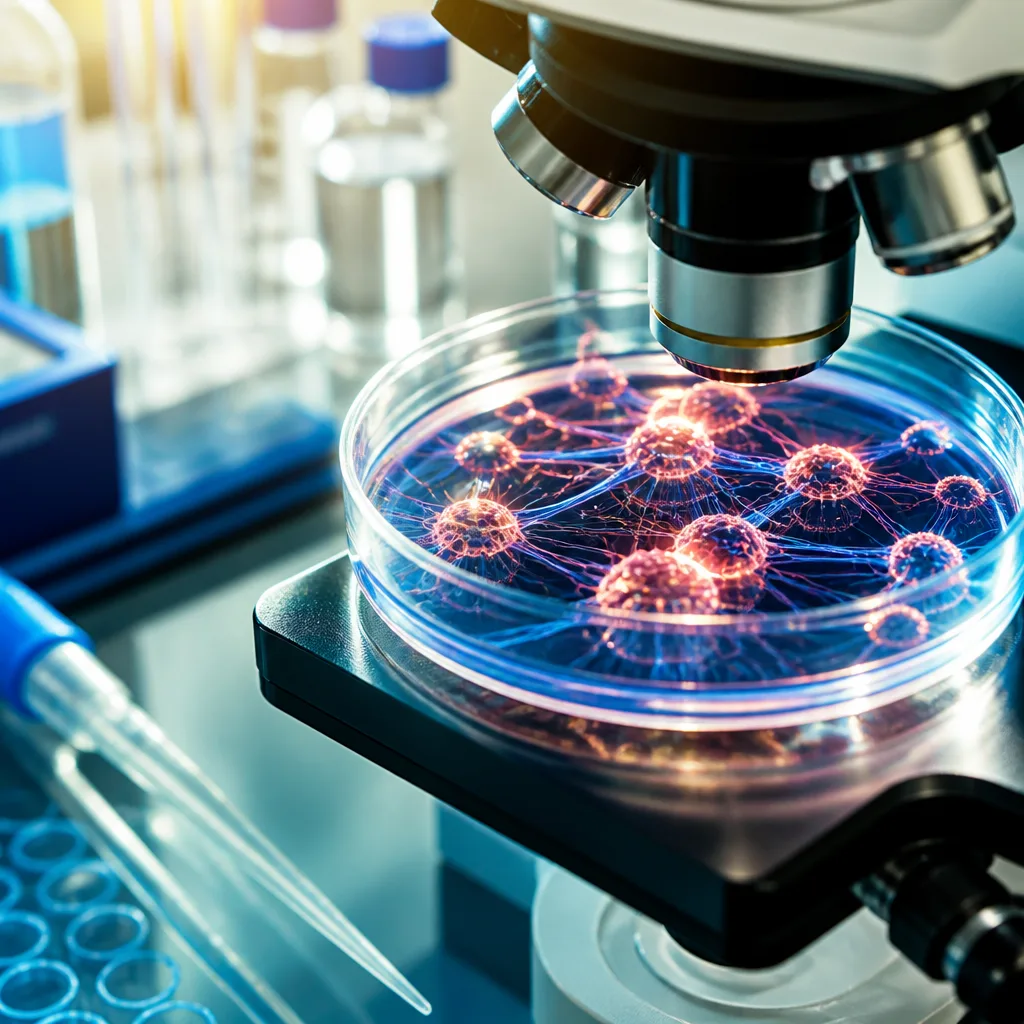
Intercellular transfer of genetic material — the movement of DNA, mitochondrial genomes or whole organelles from one cell to another — may help trophoblastic tumours regain dangerous functions after immunotherapy, according to recent reporting. The mechanism adds a plausible route by which cancer cells can rapidly acquire traits that allow survival under therapeutic pressure.
What is intercellular DNA transfer?
Intercellular DNA transfer refers to several biological processes that move genetic material between cells. Researchers describe a range of routes, including:
- Extracellular vesicles — membrane‑bound particles released by cells that can carry DNA, RNA and proteins;
- Tunnelling nanotubes — thin, long cytoplasmic bridges joining distant cells;
- Cell–cell fusion — merging of two cell membranes and cytoplasms so their genetic contents mix;
- Organelle transfer — movement of mitochondria or other organelles between cells;
- Phagocytosis/efferocytosis — uptake of apoptotic bodies that can contain fragments of DNA.
Each route can move different types and amounts of genetic material: whole organelles such as mitochondria, chromosomal DNA, mitochondrial DNA, extrachromosomal DNA and fragments. How often these routes operate in living tissues, and what triggers them, remains poorly understood.
Why this matters for trophoblastic tumours and immunotherapy
Trophoblastic tumours arise from cells related to the placenta and can behave aggressively. The new discussion links intercellular DNA transfer to relapse after immune‑based treatments. The essential idea is straightforward: if a cancer cell acquires extra genetic material from a neighbour, it may gain new capabilities — for example, altered antigen presentation, metabolic changes or resistance pathways — that let it survive immune attack.
Researchers note that cancer cells already show high genome instability, which helps them adapt to harsh conditions including therapy. Intercellular DNA transfer could act as a rapid means for tumours to acquire functional genetic material without waiting for slow accumulation of mutations. In that sense, the process is described as a kind of short‑cut to evolutionary change within a tumour.
Key mechanisms and open questions
Laboratory studies have identified the following mechanisms and uncertainties:
| Mechanism | What it can transfer | Uncertainties |
|---|---|---|
| Extracellular vesicles | DNA fragments, RNA, proteins | Sorting rules for cargos; functional impact in vivo |
| Tunnelling nanotubes | Organelles, cytoplasmic contents | Frequency in clinical tumours; triggers |
| Cell–cell fusion | Whole genomes (mixed) | Compatibility; genome instability consequences |
| Phagocytosis of apoptotic bodies | DNA fragments | Extent of functional integration into recipient genomes |
Critical unresolved points include whether cells transfer multiple genetic‑material types simultaneously or in sequence, and whether particular cellular states or signals determine what is transferred. The clinical relevance depends on whether transferred material becomes functionally integrated and expressed in recipient tumour cells at levels that change behaviour.
Implications for research and treatment
The possibility that cell‑to‑cell transfer can confer resistance has practical implications:
- Basic cancer biology teams need to measure these events in patient tumour samples rather than only in cell lines.
- Translational researchers should assess whether blocking specific transfer routes — for example, inhibiting vesicle release or nanotube formation — reduces relapse in animal models.
- Clinicians and trial designers must be cautious when interpreting early responses to immunotherapy, as hidden mechanisms of adaptation may drive later relapse.
At this stage the evidence is emerging rather than conclusive. The concept that tumours can acquire new functions from neighbouring cells is supported by laboratory observations, but the frequency and impact of such transfers in patients remain to be quantified. Establishing those facts will be essential before new therapies or diagnostics are developed around this mechanism.
The research highlights a broader lesson: cancers use multiple strategies to survive. Understanding those strategies in detail — and distinguishing robust findings from intriguing early results — is necessary if we are to design durable treatments.









