
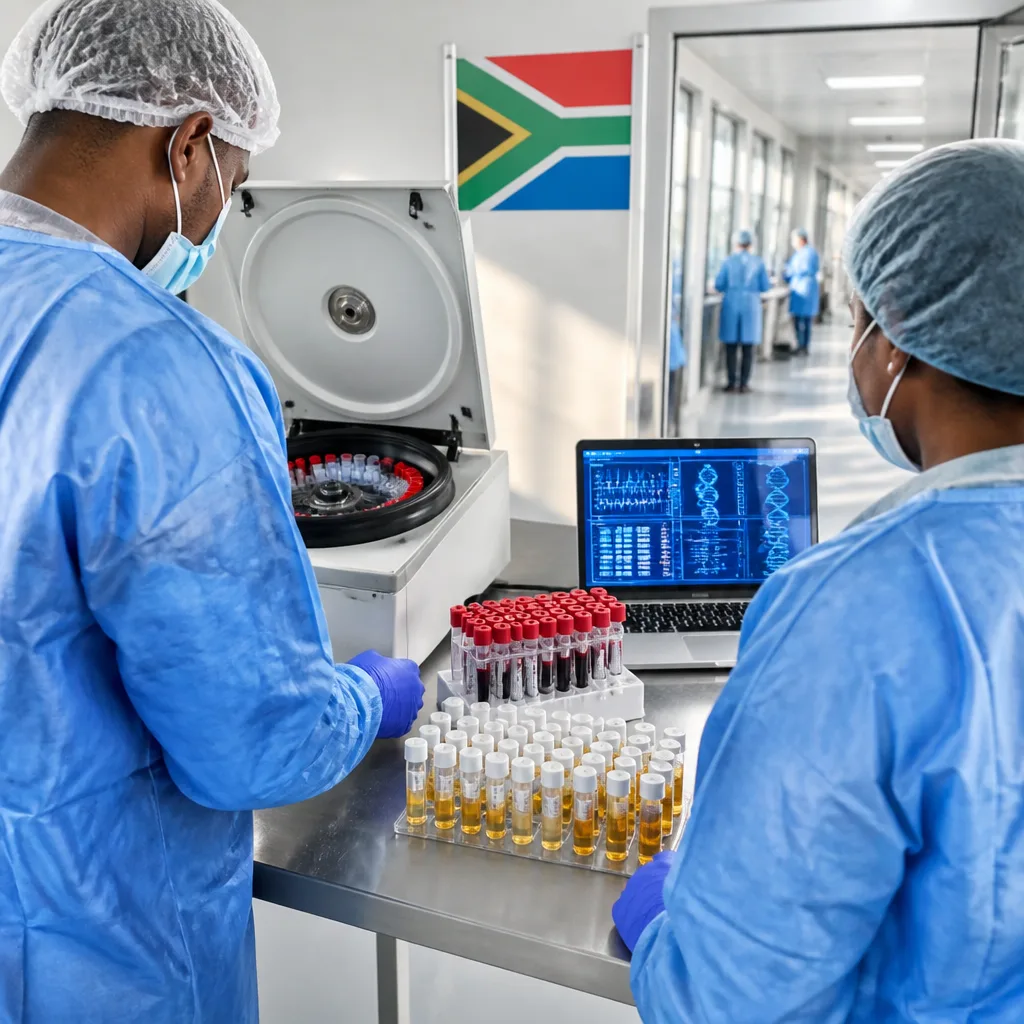
Liquid biopsy, a blood test that detects cancer-derived material circulating in the bloodstream, is being hailed by leading researchers as one of the most promising tools to bring precision medicine closer to patients, according to reporting from an international workshop.
Promise for diagnosis, treatment and monitoring
The International Alliance for Personalised Medicine published a summary of an interview conducted at the International Society of Liquid Biopsy (ISLB) Workshop in Pompeii this May with Professor Catherine Alix-Panabières, a long-standing researcher in the field. Professor Alix-Panabières, who is Professor of Oncology at the University Medical Center of Montpellier and a Visiting Professor at the University Medical Center of Hamburg, co-coined the term “liquid biopsy” in 2010 with Professor Klaus Pantel and draws on more than 26 years of research experience.
In the interview, reported on LinkedIn by the alliance and syndicated by OncoDaily, she set out how a simple blood sample can be used to:
- identify cancer-associated material for earlier diagnosis;
- select and tailor treatments to the molecular profile of a patient’s tumour;
- monitor disease progression and response to therapy without repeated invasive biopsies.
“Liquid biopsy: bringing precision medicine closer to patients,” the alliance shared alongside the interview.
From research to routine care — the hurdles
Professor Alix-Panabières emphasised that, while the technology is rapidly maturing, moving liquid biopsy from research into routine clinical practice will require significant systemic work. The interview specifically highlights the need for:
- harmonisation of methods and reporting;
- shared standards across laboratories and clinical services;
- close cooperation between researchers, clinicians, policymakers and healthcare systems.
The call for concerted action reflects the technical and regulatory complexity around assays that detect circulating tumour DNA, circulating tumour cells and other biomarkers. Without shared frameworks, diagnostics can vary between institutions and jurisdictions, complicating clinical decision-making and comparison of results.
Implications for South Africa
Although the discussion at the ISLB workshop took place in a European context, the issues raised have direct relevance for South African health services. Precision diagnostics such as liquid biopsy offer the prospect of less invasive tests and more personalised treatment pathways — potential benefits for patients in both public and private sectors.
However, the international emphasis on harmonisation and cross-sector cooperation underlines challenges that South African policymakers and health providers would need to consider before wider adoption, including laboratory capacity, regulatory oversight, and equitable access across diverse health settings.
| Potential benefit | Implementation need |
|---|---|
| Earlier, less invasive diagnosis | Validated, standardised assays |
| Better treatment selection | Clinician training and guideline alignment |
| Ongoing disease monitoring | Integrated laboratory-clinical reporting systems |
Professor Alix-Panabières stressed that progress depends not only on technical innovation but also on multi-stakeholder collaboration. The International Alliance for Personalised Medicine’s LinkedIn post summarised that viewpoint, inviting viewers to watch the full interview for further detail.
As liquid biopsy research proceeds, health systems worldwide will face policy choices about validation, reimbursement and equitable rollout. For South Africa, the international discussion offers a roadmap of the practical steps required to turn promising science into reliable, accessible clinical tools.









