
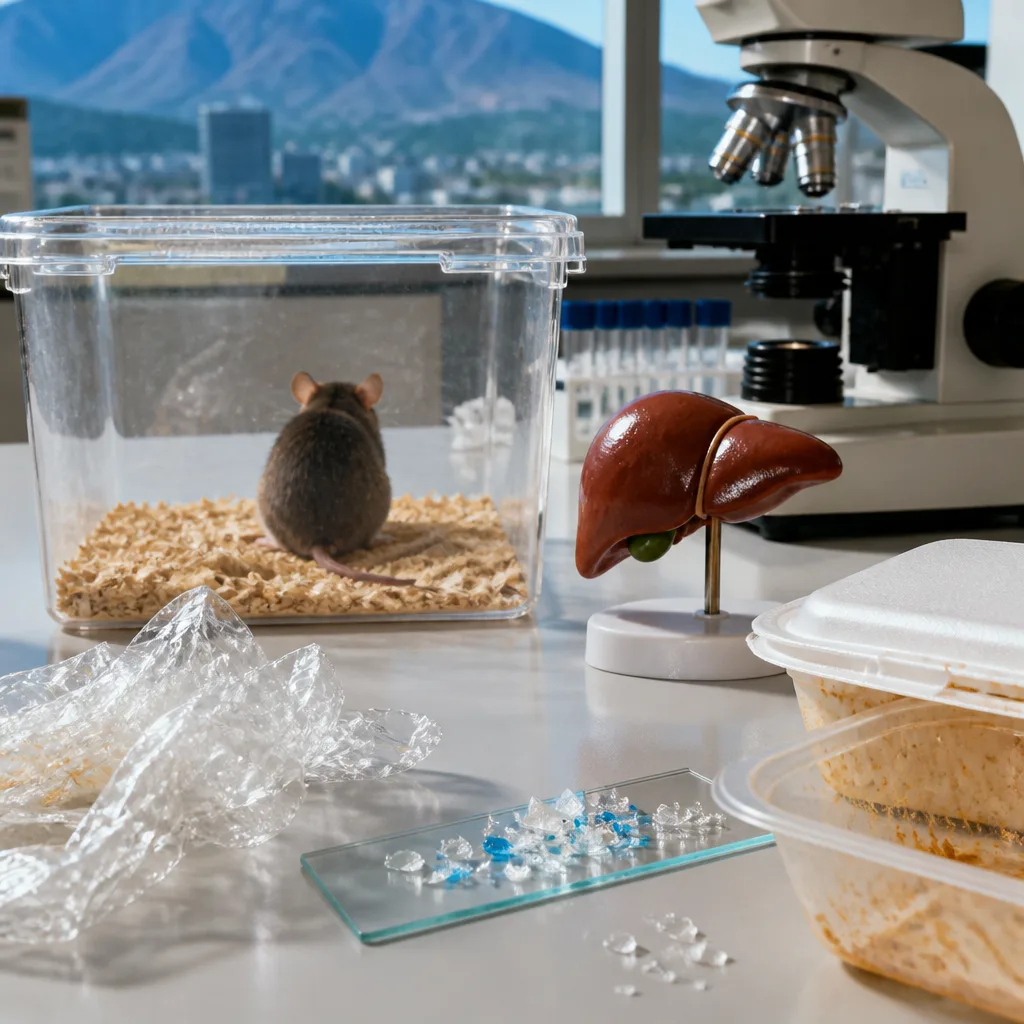
Exposure to polyethylene — one of the world’s most common plastics — may increase the risk of fatty liver disease, according to a new study in mice that researchers say points to a previously overlooked pathway linking modern food convenience to liver harm.
What the study found
The research, reported by science outlets, investigated how polyethylene microplastics affect the liver. In rodents, the investigators observed changes consistent with progression from simple fat accumulation in the liver to later, more serious stages involving inflammation and scarring.
Fatty liver disease — now often called metabolic dysfunction–associated steatotic liver disease — begins with excess fat inside liver cells (steatosis). If unchecked, this can evolve to inflammation, fibrosis (scar formation) and ultimately cirrhosis, which is serious and potentially life‑threatening. The study suggests polyethylene exposure may contribute to these pathological steps.
Why this matters
Polyethylene is widely used in food packaging, cling‑wrap, storage containers and takeaway cups. Because it is so common in direct contact with food, the study authors emphasise that dietary exposure to polyethylene microplastics could be an important, and previously underappreciated, risk factor for liver disease.
"No studies have really looked into polyethylene's effect on liver health, and it's the most widely produced plastic," molecular pharmacologist Adi Joshi of Texas A&M University said, summarising the research gap the new paper addresses.
The study is preclinical — conducted in animals — and cannot on its own prove the same effects occur in people. However, it adds to a growing body of research showing microplastics can reach internal organs and influence metabolism and inflammation.
Clinical context: how fatty liver disease develops
Physicians have long recognised fat accumulation in the liver, with the first formal description of today’s non‑alcoholic fatty liver disease appearing in 1980. Clinically, many people have the condition without symptoms and discover it incidentally on imaging.
Common symptoms, when present, include fatigue, a general feeling of being unwell and discomfort beneath the right rib cage. Key risk factors remain overweight and central obesity, abnormal blood lipids (high LDL cholesterol or triglycerides), type 2 diabetes or prediabetes, and high blood pressure — all factors linked to diet and metabolism.
| Stage | What it means |
|---|---|
| Steatosis | Fat accumulation in liver cells |
| Inflammation | Immune response in liver tissue |
| Fibrosis | Scar tissue builds up |
| Cirrhosis | Severe, often irreversible liver damage |
What the study does and does not show
- The study demonstrates an association between polyethylene microplastic exposure and liver changes consistent with progression of fatty liver disease in mice.
- It does not establish that equivalent exposure levels cause the same disease progression in humans; translating doses from animals to people requires careful toxicological assessment.
- Polyethylene has been considered less concerning than some other plastics, but these results indicate the need for targeted research on its health effects.
Researchers propose that ongoing and future work should quantify real‑world human exposure to polyethylene microplastics from food packaging, determine how those exposures compare with the doses used in animal experiments, and clarify biological mechanisms by which microplastics might promote fat accumulation, inflammation or fibrosis in the liver.
For the public, the principal takeaways are precautionary: maintain established lifestyle measures that reduce risk for fatty liver disease — healthy weight, balanced diet, control of blood lipids and blood sugar — and follow food safety guidance about storing and reheating food in appropriate containers. Regulatory bodies and food‑safety authorities may also need to consider whether current packaging practices lead to microplastic exposures of concern.
The new mouse data add an important piece to a growing picture linking plastic pollution to human health questions, but human studies will be needed before firm public‑health recommendations specific to polyethylene can be made.


