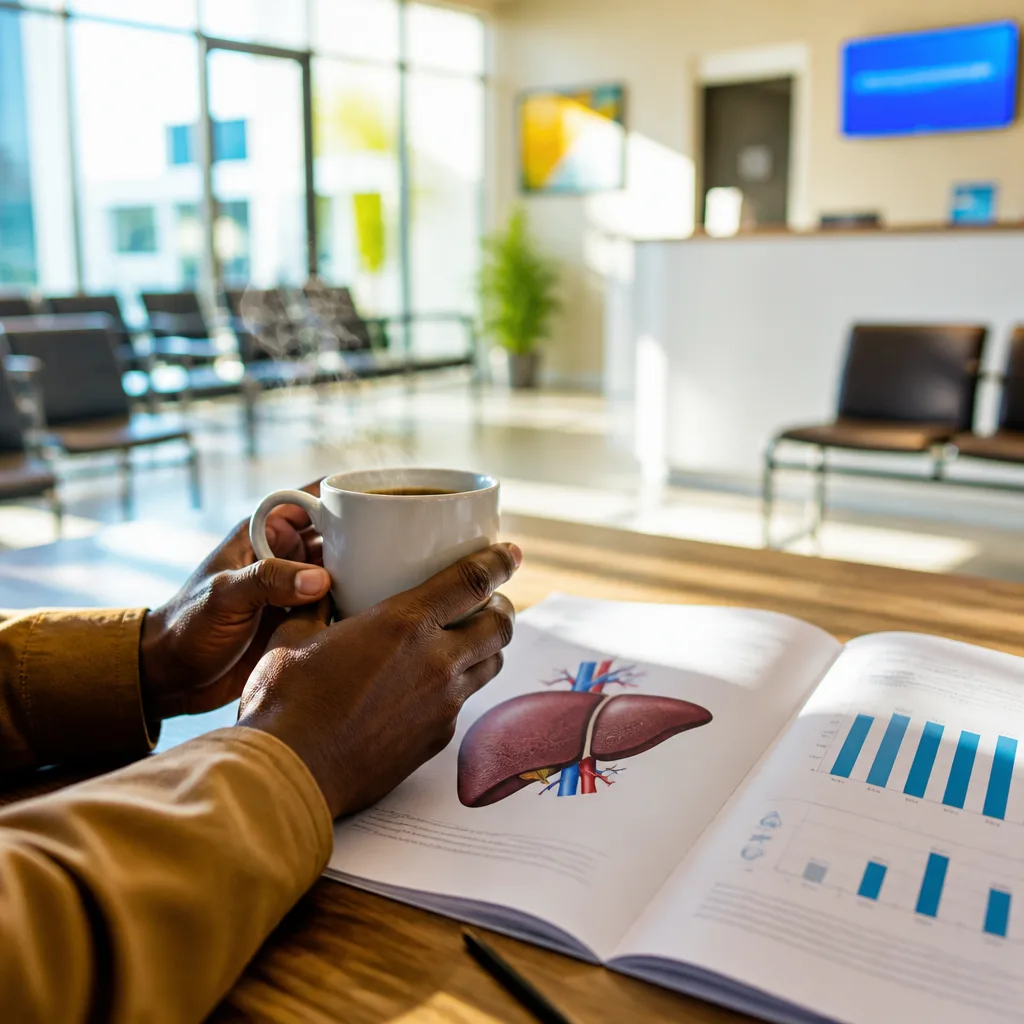
A new analysis by the American Gastroenterological Association suggests that regular coffee consumption is associated with markedly reduced risks of serious liver conditions, including cirrhosis, liver cancer and liver‑related mortality.
Key findings
Researchers reported that people who consumed five or more cups of coffee per day had the largest benefit compared with non‑drinkers. The study found the following reductions in risk:
- 32% lower risk of cirrhosis
- 47% lower risk of liver cancer
- 42% lower risk of liver‑related death
Importantly, the research team noted that protective associations were apparent at lower intake levels too — benefits could be observed with one or two cups a day. The effect did not appear to depend on caffeine: both caffeinated and decaffeinated coffee were linked with similar reductions, suggesting that compounds other than caffeine may be responsible.
What clinicians say
Cleveland Clinic hepatologist Dr Nizar Zein, who was not involved in the study, emphasised that coffee should be seen as one element among multiple lifestyle measures to protect liver health. He cautioned that coffee alone is not a treatment for liver disease.
"If you want to put coffee into perspective, I would say avoidance of alcohol and ultra‑processed food and sugary food on one hand ... On the other hand, is physical activity, particularly the one muscle‑resistance type of exercises have shown to decrease the degree of liver fat and liver injury, along with taking coffee along the way. So, it's not by itself a treatment, but it's part of all the lifestyle modifications that one can do to prevent future liver disease."
Putting the findings in context
The study reinforces a growing body of evidence linking coffee consumption with liver benefits, but it does not prove causation. Observational analyses can identify associations while remaining vulnerable to confounding — for example, coffee drinkers may differ in other health behaviours, socioeconomic status or access to care.
Nevertheless, the magnitude of the associations reported — especially for heavy coffee consumption — suggests potential public‑health importance. Clinicians and public‑health practitioners will weigh these findings alongside established interventions such as alcohol reduction, weight management, improved diet quality and increased physical activity, which are proven to reduce liver fat, inflammation and long‑term complications.
Practical advice for readers
For South Africans concerned about liver health, the study suggests modest, low‑risk steps that may form part of a broader prevention strategy:
- Consider moderate coffee intake if you enjoy it; benefits were seen even at one to two cups daily.
- Focus primarily on established measures: reducing alcohol intake, limiting ultra‑processed and high‑sugar foods, maintaining a healthy weight and doing regular physical activity, including resistance training.
- Discuss any major dietary change — or concerns about liver function — with a clinician. People with existing liver disease, pregnant women, or those taking medications should seek medical advice before increasing caffeine or coffee consumption.
Summary table of reported risk reductions
| Outcome | Risk reduction (vs non‑coffee drinkers) |
|---|---|
| Cirrhosis | 32% |
| Liver cancer | 47% |
| Liver‑related death | 42% |
The American Gastroenterological Association conducted the study. Independent hepatology experts, including Dr Zein, welcomed the findings but reiterated that coffee is complementary to — not a substitute for — proven preventive actions.
If you are worried about liver disease or have abnormal liver tests, contact a healthcare provider or local clinic rather than attempting to self‑manage. Early intervention remains the best way to prevent progression to advanced liver disease.