Fake toys and games have flooded South Africa’s online marketplaces, industry representatives warned, creating potential fire and chemical‑exposure hazards for consumers and complicating efforts by legitimate retailers to protect buyers.
Industry raises alarm after consumer report of chemical burns
Farrel Frank, managing director of the South African Toys & Games Association, said the growth in online shopping since the COVID‑19 pandemic created opportunities for counterfeiters to move into every sector, including toys and electronic playthings.
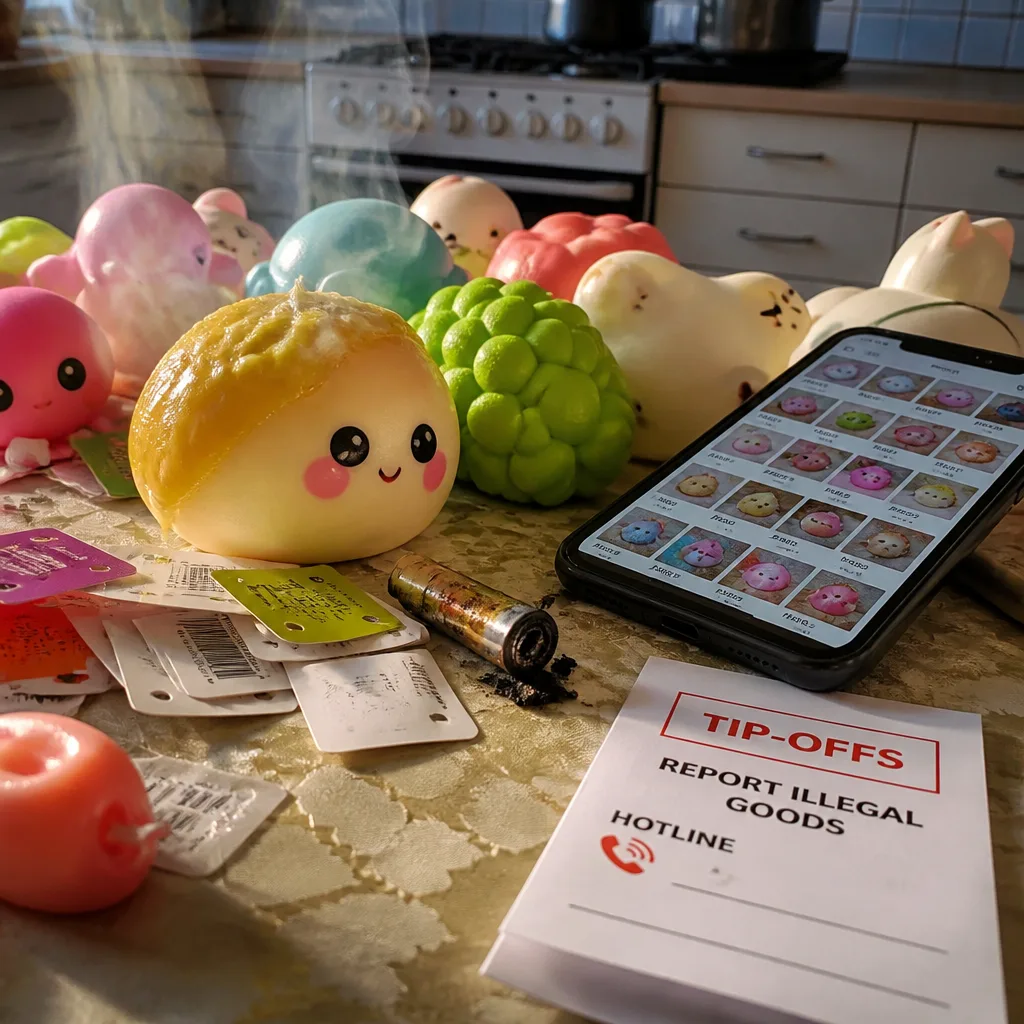
Frank said the association had received an alarming tip‑off relating to the current craze for so‑called “squishy” toys. According to the complaint, the item emitted a strong petroleum odour when opened. The consumer reported touching their face after smelling the product and experiencing severe burning and tingling.
“If it had been bought from a legitimate business, they would have looked into it. They would have returned and refunded the product,” Frank said, describing the difference in redress between counterfeit and legitimate purchases.
He warned that counterfeit electronic toys carry fire risks, while other fake toys may contain toxic substances.
Online platforms challenged to police listings
Frank told radio station 702 that online selling platforms are struggling to fully remove counterfeit and illicit products once they enter the marketplace. He said none of the platforms are free of counterfeit items, and that while companies are attempting to address the problem it remains widespread.
The association operates a tip‑off line for complaints about counterfeit products and has used it to track and escalate concerning reports.
- Main risks identified: electrical fires from fake electronic toys; chemical burns and toxic exposure from cheaply made items;
- Drivers: rapid expansion of e‑commerce since the pandemic; counterfeiters exploiting supply gaps;
- Consumer recourse: counterfeit purchases often lack warranties, returns and refunds available from legitimate retailers.
Context and consequences
Counterfeit toys present multi‑faceted challenges. Immediate health and safety threats include burns, choking hazards and exposure to toxic materials. Fake electronic devices can malfunction and ignite. Beyond direct harm, the proliferation of counterfeit goods undermines legitimate businesses and complicates regulatory enforcement and consumer protection efforts.
Platforms that host third‑party sellers face reputational and legal risks if harmful products reach consumers. The issue also places pressure on enforcement bodies and consumer protection mechanisms to detect and remove dangerous goods from sale, and to trace and hold accountable those responsible for importing or distributing counterfeit items.
Frank attributed the problem to both opportunistic counterfeiters who moved aggressively into online channels during supply shortages in the pandemic, and to inherent weaknesses in the policing of listings and vendors on e‑commerce sites.
What consumers should know
The Toys & Games Association’s account underscores several practical points for shoppers:
- Buy from reputable, traceable sellers that offer guarantees and refunds;
- Inspect new toys for unusual odours or visible defects before letting children handle them;
- Report suspicious or harmful products via consumer protection channels and industry tip‑off lines.
Frank said online platforms are attempting to tackle counterfeit listings but that the problem persists. The association’s tip‑off line remains one route for escalating dangerous products, he said.
Further details, including any regulatory or enforcement action prompted by the association’s complaints, were not available at the time of reporting and are still developing.