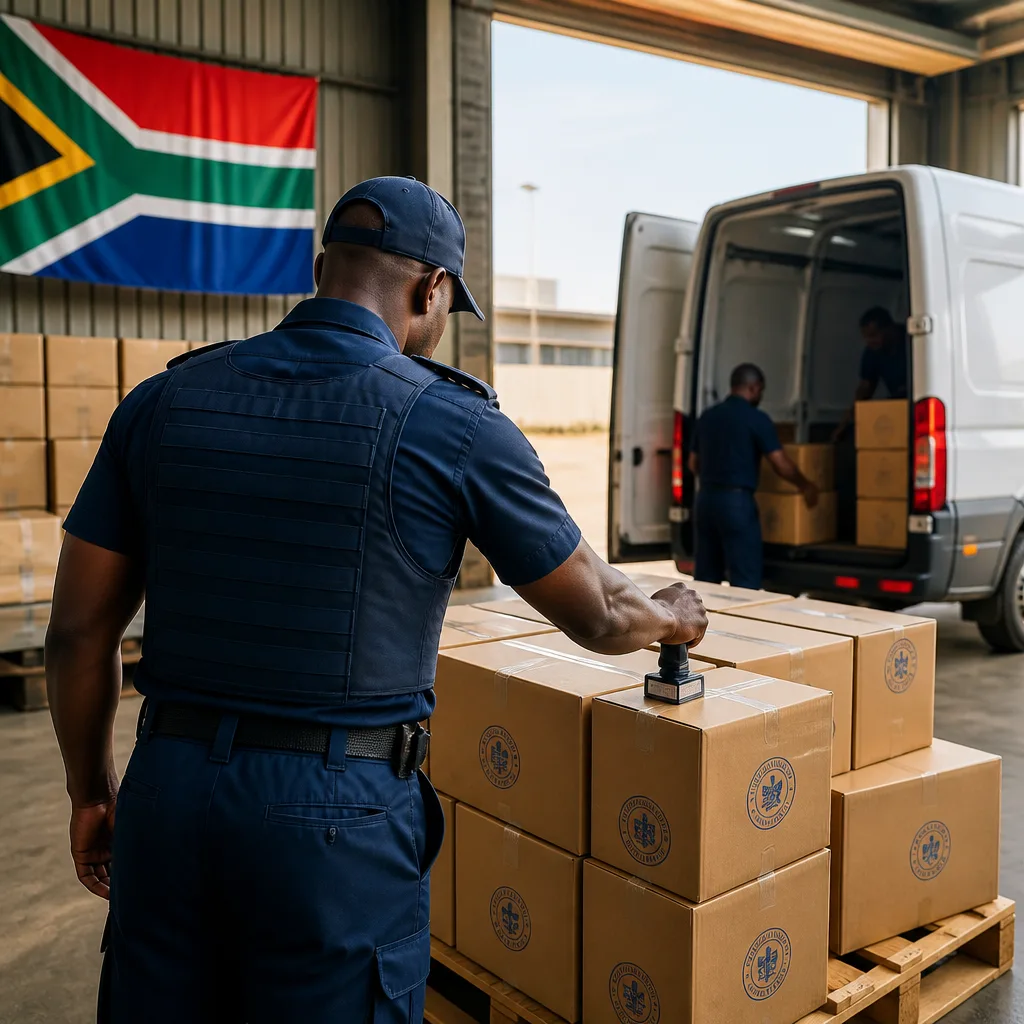
International bargain platforms Shein and Temu have seen rapid declines in South Africa after stricter customs enforcement, a new industry study shows, prompting both to move away from tax‑arbitrage models and toward local fulfilment and supply chains.
Growth slows sharply after policy changes
The Online Retail in South Africa 2026 report — produced by World Wide Worx in partnership with Mastercard, Peach Payments and Ask Africa — finds that tighter controls by the South African Revenue Service (SARS) on low‑value imports materially reduced cross‑border online shopping growth in 2025.
World Wide Worx’s analysis draws on retailer financial disclosures through the 2026 financial year, Stats SA retail figures to mid‑2026, and consumer research from Ask Africa’s Target Group Index (23 910 interviews from January to December 2025).
The study highlights the dramatic slowing of two platforms often singled out by local retailers. Shein’s annual growth, the report says, fell from previously high rates to just 11% in 2025, representing a reduction of between 30% and 50% from earlier trends. Temu recorded an average monthly decline of 42% in the same period.
“Shein and Temu are not as big in the consumer mind as the media tends to think they are,”
The report quotes Arthur Goldstuck, MD of World Wide Worx, who cautioned that the two platforms will likely coexist with established local retailers rather than displace them completely.
Why the shift matters
The report attributes the slowdown to three main developments: the closure of tax loopholes, more stringent customs enforcement by SARS and the resilience of incumbent South African retailers. Together these factors have made the previous cross‑border, low‑value model less attractive.
- Policy impact: SARS enforcement removed much of the price advantage that made direct imports appealing.
- Market response: International platforms are adjusting their operations towards local warehousing and fulfilment.
- Local retail: Established South African retailers have not been displaced as rapidly as some commentators predicted.
Despite the slowdown, cross‑border transactions still represented a sizeable portion of online sales. The study notes that 18% of all e‑commerce transactions in 2025 were cross‑border, indicating the channel remains important even after policy changes.
Signals for industry and policy
For policymakers, the findings suggest that SARS’s actions have had their intended effect of reducing tax leakage and the artificial price advantages created by certain online models. For local retailers, the shift offers a reprieve from rapid market incursions but underscores the need to compete on service, supply‑chain efficiency and value.
For the two platforms themselves, the move towards local fulfilment implies higher operating costs but may also create a more sustainable presence in the South African market. The report frames this as a move from aggressive growth built on regulatory gaps to a long‑term model that coexists with domestic suppliers.
| Metric | Reported change |
|---|---|
| Shein annual growth (2025) | 11% (down 30–50% from prior rates) |
| Temu average monthly change (2025) | −42% |
| Share of cross‑border e‑commerce | 18% of online transactions (2025) |
World Wide Worx used additional industry data from MustangPay and the South African International E‑Commerce Association to corroborate the decline in cross‑border growth. The combined evidence suggests a structural adjustment rather than a short‑term fluctuation.
What remains uncertain
It is still unclear how quickly Shein and Temu will scale up local fulfilment operations, and what pricing and assortment changes consumers will encounter. The report indicates slower growth trajectories, but not the complete disappearance of cross‑border commerce.
Industry stakeholders will be watching forthcoming corporate disclosures and SARS enforcement patterns for further signals on whether the new equilibrium will favour local retailers, global platforms with local footprints, or a blended market structure.
Implication: South Africa’s stricter customs regime has reshaped the contours of online retail. The result is less rapid disruption from offshore platforms, and a market that may reward logistical investment and compliance as much as low prices.