A new analysis published in JAMA Network Open suggests that a handful of straightforward fitness tests can help predict life expectancy in older adults. The research, based on standardised assessments, found that better performance in measures of cardiorespiratory fitness, muscular strength and balance and agility was associated with lower mortality over a seven‑year follow‑up, while flexibility showed no clear link to survival.
Study design and key findings
The investigators analysed health and fitness data from more than 13,000 Taiwanese adults aged 65 and older who completed a set of standardised tests between 2015 and 2016. Over the subsequent seven‑year observation period, roughly 1,600 participants died.
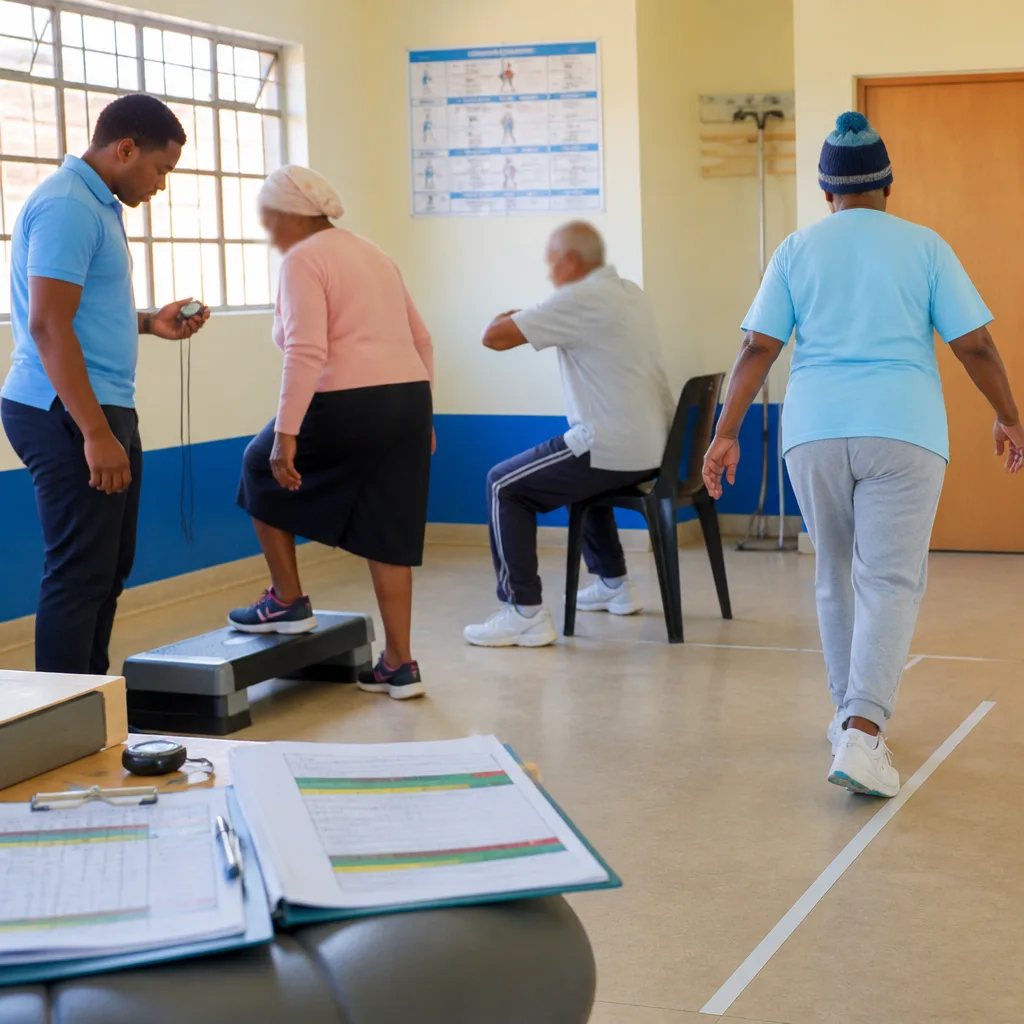
Researchers evaluated four areas of physical fitness using brief, clinic‑feasible tests:
- Cardiorespiratory fitness — a two‑minute step test counting how many steps a participant could complete.
- Muscular strength — two 30‑second tests: arm curls for upper‑body strength and repeated sit‑to‑stand movements for lower‑body strength.
- Flexibility — assessed with back‑scratch and chair sit‑and‑reach tests.
- Balance and agility — standard clinical balance drills.
The analysis found that higher scores in cardiorespiratory fitness, muscular strength and balance and agility correlated with reduced mortality risk. Flexibility measures did not show a significant association with longevity.
“This gives us very specific information we can use,” said James Powers, MD, a professor of geriatric medicine at Vanderbilt University Medical Center, who was not involved in the study.
Implications for clinicians and older adults
Because the tests used are quick to perform and require minimal equipment, they could be incorporated into routine assessments in primary care, geriatric clinics and community screening programmes. Practitioners may use the results to monitor changes over time, guide exercise prescriptions and identify patients who could benefit from interventions to improve endurance, strength or balance.
For older adults and caregivers, the findings reinforce the value of maintaining functional fitness. Evidence that flexibility did not predict survival emphasises that activities targeting heart and lung endurance, leg and arm strength, and balance may offer greater return in terms of longevity.
Limitations and context
The study’s cohort comprised Taiwanese adults, and direct extrapolation to other populations should be done cautiously. Socioeconomic, genetic and healthcare differences can influence both fitness and mortality patterns. The research was observational, so it identifies associations rather than proving causation.
Nevertheless, the tests analysed are aligned with internationally recognised measures of functional ability in older people and can serve as pragmatic tools for real‑world clinical use.
| Fitness domain | Test | Association with mortality |
|---|---|---|
| Cardiorespiratory fitness | Two‑minute step test | Lower mortality |
| Muscular strength | 30‑second arm curls; sit‑to‑stand | Lower mortality |
| Flexibility | Back‑scratch; sit‑and‑reach | No clear association |
| Balance & agility | Standard balance tests | Lower mortality |
Clinicians should interpret single measurements in the context of a patient’s overall health, chronic conditions and medication use. Changes over time are often more informative than one‑off scores.
Practical advice
- Older adults concerned about fitness or mobility should consult a clinician or physiotherapist before beginning new exercise routines.
- Programmes that combine aerobic activity, resistance training and balance practice (for example, brisk walking, chair‑based strength work and balance exercises) are likely to be beneficial.
- Regular assessment using simple tests can help track progress and signal when further evaluation or tailored rehabilitation is needed.
The study adds to a growing body of evidence that preserving functional fitness in later life is closely tied to survival and quality of life. Readers should discuss personalised assessment and safe exercise options with their health provider rather than self‑diagnosing based on home tests.