Health services in communities hardest hit by the Ebola epidemic in eastern Democratic Republic of Congo (DRC) have been sharply reduced as fear of infection and overwhelmed hospitals deter routine care, an independent humanitarian analysis has found.
Essential services collapse amid outbreak
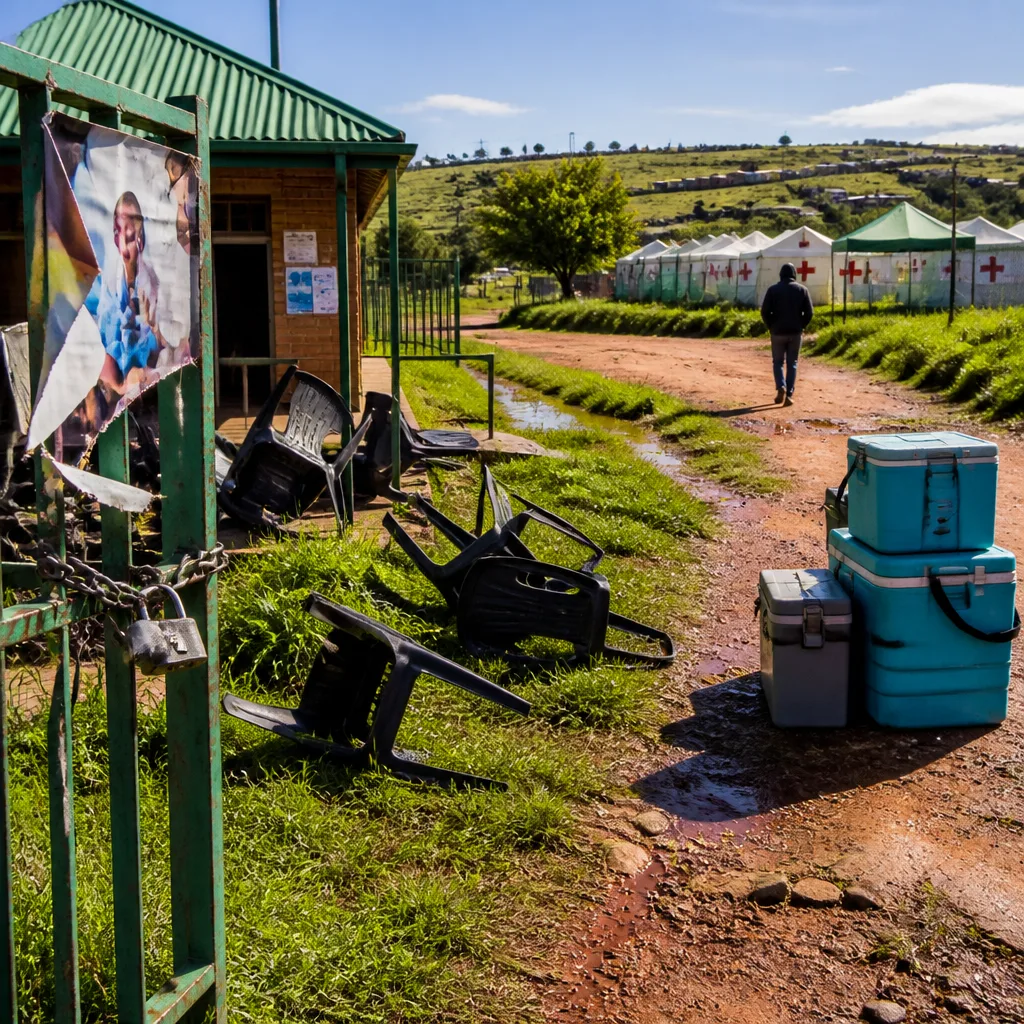
An analysis published by humanitarian research group ACAPS reports that the use of seven essential health services fell by 42% between April and June in four major Ebola hotspots in Ituri province, the epicentre of the current epidemic. The report also found childhood vaccination in those same areas declined by more than half during that period.
The epidemic has grown substantially. The DRC reported 8,067 confirmed cases across 63 health zones in seven provinces through 26 September, according to reporting consolidated in the analysis. That makes this outbreak more than twice the size of the country’s previous largest Ebola episode and it has spread through more than twice as many health zones.
| Measure | Reported figure |
|---|---|
| Confirmed Ebola cases (through 26 Sept) | 8,067 |
| Health zones affected | 63 |
| Provinces affected | 7 |
| Drop in seven essential health services (Apr–Jun) | 42% |
| Reduction in childhood vaccination | More than 50% |
Wider consequences for primary care
The ACAPS findings indicate the outbreak’s toll extends beyond direct Ebola morbidity and mortality. Routine paediatric immunisations have been severely disrupted, and people are avoiding clinics for maternity care and other basic services because of fear of infection and because facilities are under strain. Such reductions risk reversing public health gains in maternal and child health and could lead to secondary outbreaks of vaccine-preventable diseases.
Humanitarian groups and local health workers have repeatedly warned that when essential services decline, indirect deaths from preventable conditions can outnumber those caused directly by the epidemic pathogen. The analysis highlights how the crisis is hollowing out primary healthcare in the most affected communities.
- Fear of contagion and mistrust have discouraged care-seeking for routine services.
- Hospitals and clinics are under pressure, reducing capacity to provide non-Ebola care.
- Disrupted vaccination programmes raise the risk of secondary outbreaks.
Quality reporting and independent analysis remain crucial at this stage, ACAPS says, both to guide humanitarian response and to inform national and regional preparedness measures.
Regional implications and next steps
For neighbouring countries and regional health authorities, the situation in the DRC is a reminder of the need for vigilance on cross-border surveillance, rapid response capacity and support for routine health services during epidemics. International partners and donor agencies typically step in to support vaccination campaigns, infection prevention and control in health facilities, and community engagement — all essential to restoring trust and resuming basic services.
Health services in affected communities are unlikely to recover quickly without coordinated interventions that address both the epidemic and the parallel collapse of routine care. Restoring immunisation services and encouraging pregnant women and carers to return to clinics are immediate priorities to limit longer-term health damage.
Readers should be aware that while this report outlines the scale of healthcare disruption in eastern DRC, advice for individuals remains unchanged: if you or a family member are unwell, seek care from a clinic or hospital and consult a healthcare professional rather than self-diagnosing. Public health authorities and humanitarian agencies provide guidance for travellers and health workers operating in affected regions.
The ACAPS analysis and consolidated case figures underline the complex effects of a large epidemic: the direct burden of disease and the wider, less visible erosion of essential health services that can deepen a humanitarian crisis.