
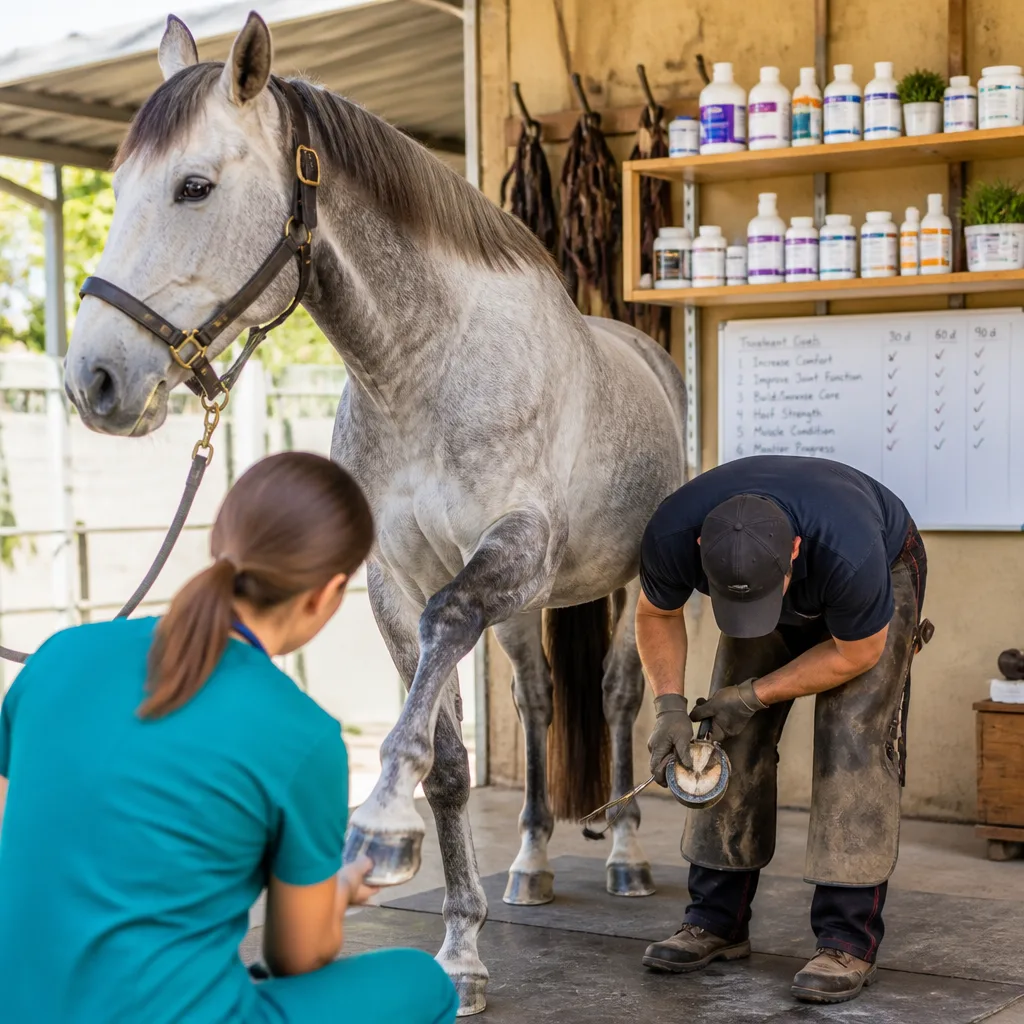
Improvements in nutrition, diagnostics and treatment have extended equine lifespans, but with longevity comes a rise in long‑term health problems that demand continuous care. Veterinarians who work in equine lameness and internal medicine say the focus for many owners and clinicians is no longer cure, but managing chronic disease to preserve welfare and function.
From survival to quality of life
As horses age, the function of several body systems can decline. Common chronic issues include degenerative joint disease, metabolic or endocrine disorders, dental attrition and neurological deficits following infectious or inflammatory episodes. Among these, osteoarthritis (OA) is a leading cause of persistent lameness and early retirement from ridden work.
“Radiographic abnormalities consistent with osteoarthritis are not always clinically significant, nor are they necessarily progressive,” said Sue Dyson, an equine orthopaedics specialist cited in the source reporting.
That observation underlines a key principle: diagnostic imaging findings do not always correlate directly with how a horse feels or performs. Effective long‑term management therefore depends on combining diagnostic information with careful clinical assessment and input from the person who knows the animal best — the owner or rider.
Shared responsibility: owner and veterinary partnership
Veterinarians emphasise that owners play an essential role in recognising subtle changes in a horse’s comfort, gait, appetite, behaviour and performance. Because many chronic conditions fluctuate over time, ongoing observation and timely reporting to the veterinary team are crucial.
Core elements of a collaborative management plan typically include:
- regular clinical reassessment and tailoring of interventions to the individual horse;
- optimised nutrition to support body condition and metabolic balance;
- appropriate farriery and tack to reduce mechanical strain;
- exercise programmes to maintain muscle and joint support without aggravating pain;
- medical therapies (analgesics, anti‑inflammatories, disease‑modifying agents) where indicated;
- owner education so expectations are realistic and welfare is prioritised.
Common chronic equine conditions and management aims
Although cures are not always possible, clinical success is measured by improved comfort, preserved mobility and the horse’s ability to fulfil a suitable role. The following table summarises conditions highlighted by veterinary sources and the typical management focus.
| Condition | Main issues | Primary management aims |
|---|---|---|
| Osteoarthritis (OA) | Joint inflammation, cartilage breakdown, lameness | Pain control, maintain function, reduce progression, optimise conformation and workload |
| Pituitary pars intermedia dysfunction (PPID) | Endocrine imbalance, laminitis risk, coat and metabolic changes | Hormone regulation, metabolic management, prevent laminitis |
| Residual neurological deficits (post‑infectious) | Gait abnormalities, reduced coordination | Rehabilitation, adaptions to work, safety measures |
| Podotrochlosis (navicular‑related disease) | Heel pain, chronic forelimb lameness | Farriery, pain management, workload modification |
Practical considerations for owners
Veterinary sources advise owners to set measurable, realistic goals rather than expect a return to previous peak performance in every case. Goals might focus on pain reduction, the ability to perform light work, or simply maintaining turnout and social contact with other horses.
Key practical tips include:
- keep a daily log of appetite, demeanour, gait and performance to detect subtle changes;
- maintain regular clinic visits for reassessment and adjustment of therapy;
- work with farriers and physiotherapists where indicated to support musculoskeletal health;
- discuss end‑of‑life options early, so welfare‑based decisions can be made without crisis.
Advances in medicine, nutrition and rehabilitation have made it possible for many older horses to enjoy prolonged, pain‑managed lives. Nevertheless, because responses to treatments vary, owners should consult their veterinarian to develop a tailored, evidence‑based plan rather than attempting self‑management.
Remember: if you are concerned about your horse’s condition, speak to your veterinarian or local equine clinic for assessment and guidance. Early, collaborative action offers the best chance of preserving welfare and quality of life.











