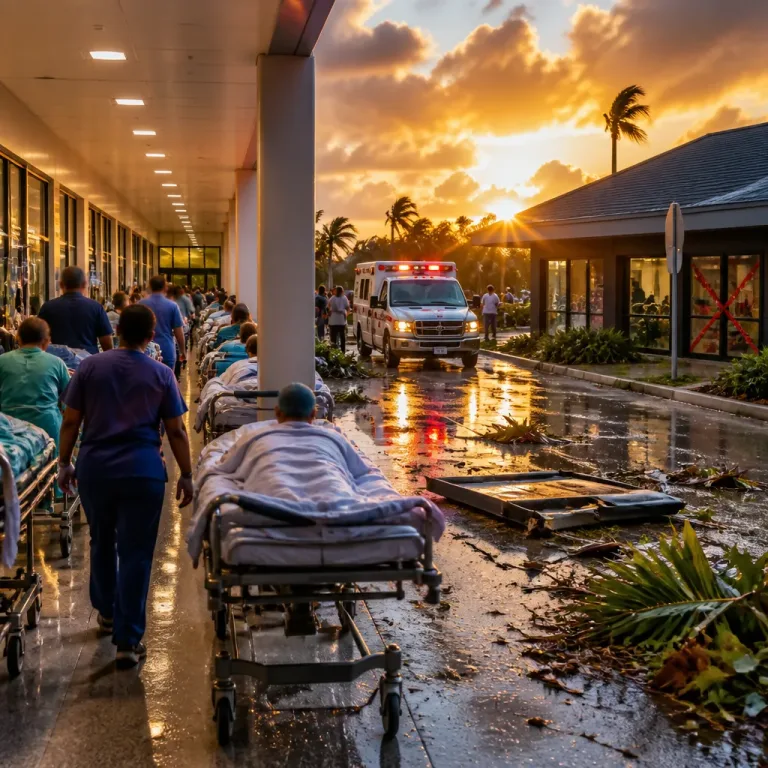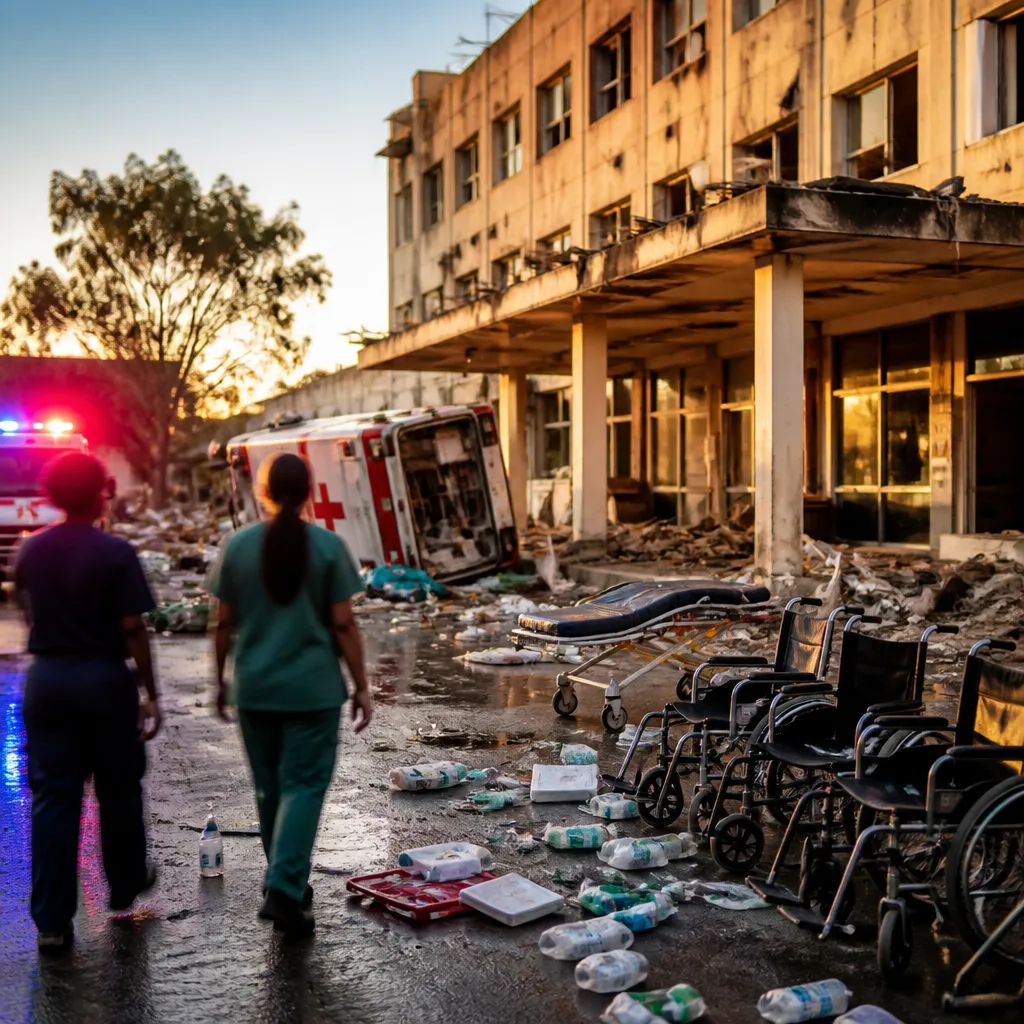
The World Health Organization (WHO) has documented more than 10 400 attacks on health‑care services and personnel worldwide since 2018, resulting in approximately 5 700 deaths and more than 8 000 injuries, and reports that none of the verified incidents has entered an accountability mechanism.
Scale and recent trends
According to WHO, violence and deliberate attacks against health care continue to undermine entire health systems. In the first eight months of 2026 alone, the agency recorded more than 900 attacks, which it said killed at least 900 people and injured roughly 1 400.
Most incidents were reported in Ukraine, Lebanon and the occupied Palestinian territory, but WHO listed multiple other countries where health‑care services have been targeted, including Myanmar, Iran, Sudan, the Democratic Republic of the Congo, South Sudan, Russia, Syria and Nigeria. The agency emphasised that these incidents do not only cause immediate casualties; they damage facilities, disrupt supplies and prevent patients and health workers from accessing care for weeks or longer.
Consequences for health systems and patients
WHO said the attacks are not merely statistics but strike at the operational capacity of health systems, with effects on routine care, outbreak response and ongoing treatment programmes. Damage to infrastructure and interrupted supply chains can delay care for time‑sensitive conditions and impede responses to epidemics, the agency reported.
- Attacks have caused destruction of facilities and loss of medical supplies.
- Health workers face threats that reduce workforce availability and morale.
- Patients are prevented from reaching treatment, compromising outcomes and public‑health responses.
Accountability gaps
WHO highlighted a striking accountability gap: despite more than 10 400 verified incidents across 29 countries and territories since 2018, the agency reported that none of the incidents has entered an accountability system. The organisation framed this absence of accountability as undermining both justice for victims and deterrence of future attacks.
| Period | Verified attacks | Deaths (at least) | Injuries (at least) |
|---|---|---|---|
| 2018–2026 (total) | 10 400+ | 5 700 | 8 000+ |
| Jan–Aug 2026 | 900+ | 900 | 1 400 |
WHO noted that the incidents span conflict settings and outbreaks, citing the war in Ukraine and the Ebola response in eastern Democratic Republic of the Congo as recent examples. The agency also included locations affected by political violence, insurgencies and protracted crises.
Implications for South Africa and the region
While the WHO data are global, the phenomenon has direct relevance for South Africa and the southern African region. Attacks on health care in any context erode trust in medical services, complicate cross‑border health cooperation and can set precedents that weaken international norms protecting health facilities and personnel. International humanitarian law and customary protections for health care rely on states, parties to conflict and international bodies to prevent attacks and pursue accountability.
WHO’s findings underscore the importance of strengthened preventive measures, protection protocols for health workers, resilient supply chains and rapid mechanisms to document, investigate and respond to attacks. The agency’s documentation can support advocacy for legal and diplomatic steps to pursue accountability, as well as reinforce operational guidance for health organisations working in high‑risk settings.
Individuals affected by violence who need medical attention should seek care at clinics and hospitals where it is safe to do so and consult health professionals rather than self‑diagnosing. Health services and humanitarian actors working in or near conflict areas should follow WHO guidance and coordinate with relevant authorities to protect staff and patients.
The WHO report serves as a reminder that safeguarding health care during conflict and crises is a global public‑health priority, and that failure to hold perpetrators to account has tangible human and system costs.