At least 11 people were killed and dozens more injured in Israeli airstrikes in southern Lebanon on Saturday, the deadliest strikes since a truce between Israel and Hezbollah came into effect on 20 June, Lebanese authorities reported.
Attacks hit villages, including homes with civilians
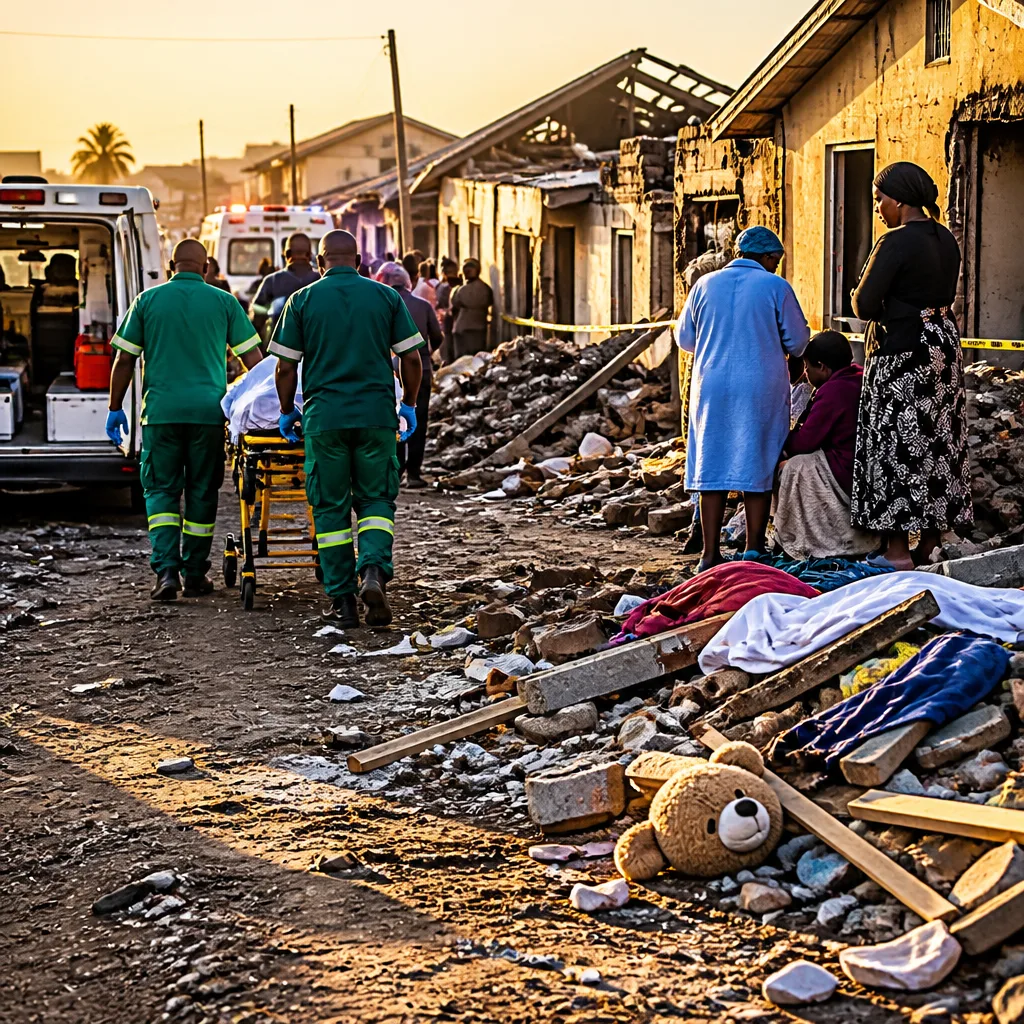
Lebanon’s Health Ministry and the state news agency said one airstrike on the edge of the village of Ansar killed seven people, including three children, and wounded two. A second strike in the village of Deir al‑Zahrani killed a further four people and wounded 17, according to the same reports.
“The seven martyrs of the Israeli airstrike on the town of Ansar are not military infrastructure and the children and women killed were not military targets,” Lebanese Prime Minister Nawaf Salam said on X, according to reporting by the Associated Press.
President Joseph Aoun, in comments released by his office, described the strikes as sending “a clear message to the negotiation track and to the American efforts aimed at implementing this agreement,” Lebanese officials said.
Truce and negotiations under pressure
The strikes occurred despite a truce that came into force on 20 June and a subsequent framework agreement announced on 26 June between Israel and the Lebanese government. The framework lays out a plan for Israeli forces to withdraw from southern Lebanon in exchange for the disarmament of Hezbollah, the Iran‑backed militant group. Hezbollah has not taken part in the negotiations and has so far refused direct talks.
Lebanese leaders said the strikes undermined efforts to stabilise the south and intimidated civilians in their homes. The strikes also struck areas of strategic importance, including reports of bombardment near Ali Taher hill overlooking parts of the southern city of Nabatiyeh and main roads to it, the state news agency said.
Humanitarian and health consequences
Conflict‑related strikes on populated villages raise immediate public‑health concerns: trauma care capacity, ambulance access, and the safety of clinics and health workers can all be disrupted when frontlines or airspace remain active. Lebanon’s Health Ministry has been the source of the casualty figures reported on Saturday.
Those affected by conflict should seek urgent medical attention at the nearest clinic or hospital. If you or a family member have been injured, contact local emergency services; for non‑urgent health concerns, consult a clinician rather than attempting to self‑treat.
Casualty summary
| Location | Killed | Wounded |
|---|---|---|
| Ansar (home targeted) | 7 (including 3 children) | 2 |
| Deir al‑Zahrani | 4 | 17 |
| Total | 11 | 19+ |
- The strikes were described by Lebanese leaders as undermining the negotiation process surrounding a framework agreement announced on 26 June.
- Hezbollah has refused direct talks and was not party to the framework agreement between Israel and the Lebanese government.
- Information on the strikes and casualty figures was reported by the Associated Press and attributed to Lebanon’s Health Ministry and state news agency.
Reporting by the Associated Press supplied the casualty figures and quotations from Lebanese leaders. The situation in southern Lebanon remains fluid; further information on casualties and the humanitarian impact may emerge as local authorities and international agencies carry out assessments.
Readers seeking more guidance on managing injuries or trauma should consult local health services or a medical practitioner. Conflict zones pose ongoing risks to health infrastructure, and timely access to professional medical care is essential.