A commentary published by the NATO Association has warned that armed conflict routinely destroys health systems and places a disproportionate burden on the sexual and reproductive health of women and girls, with consequences that extend beyond immediate humanitarian need to threaten broader global health security.
Health services among first casualties of conflict
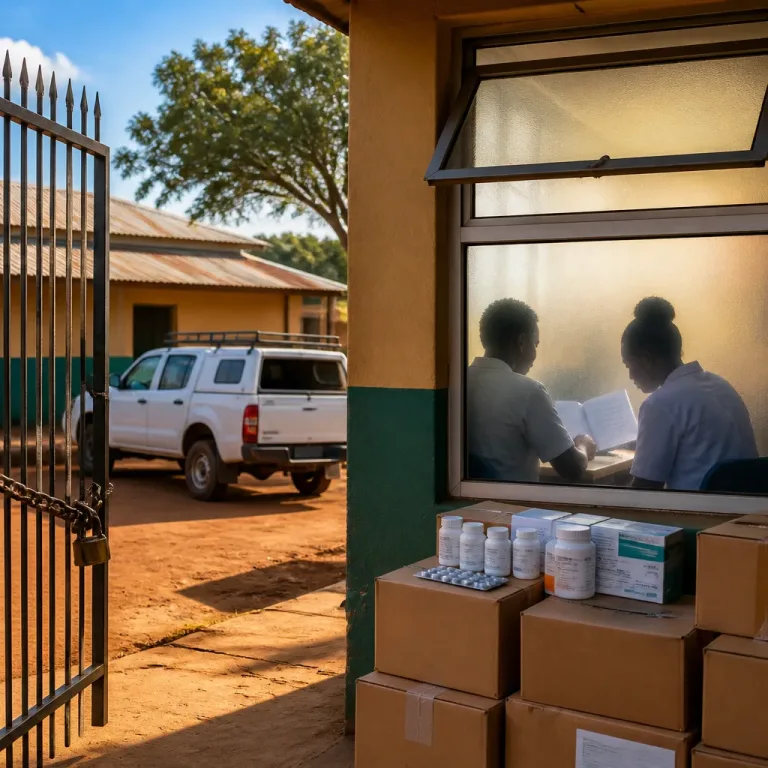
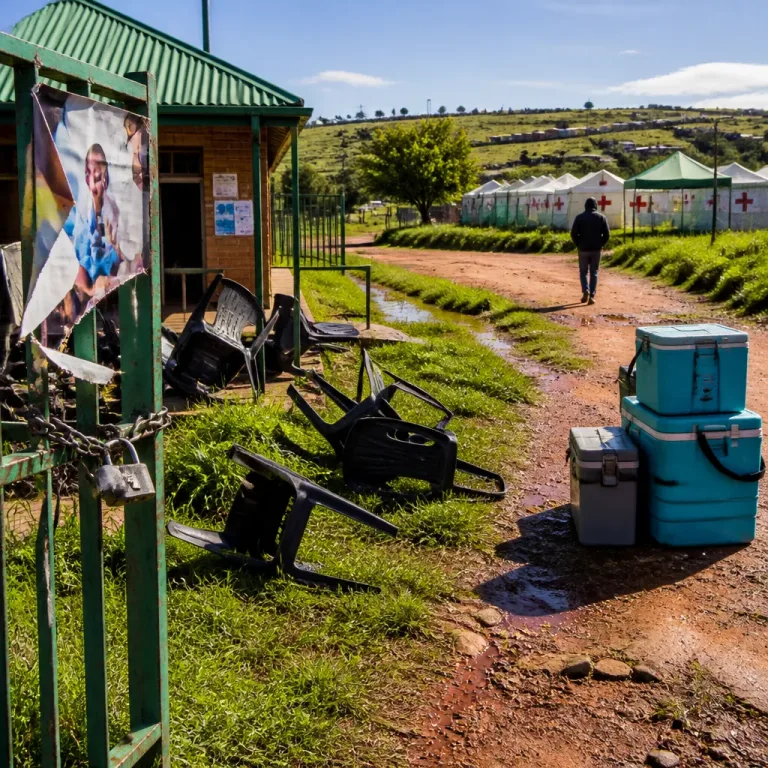
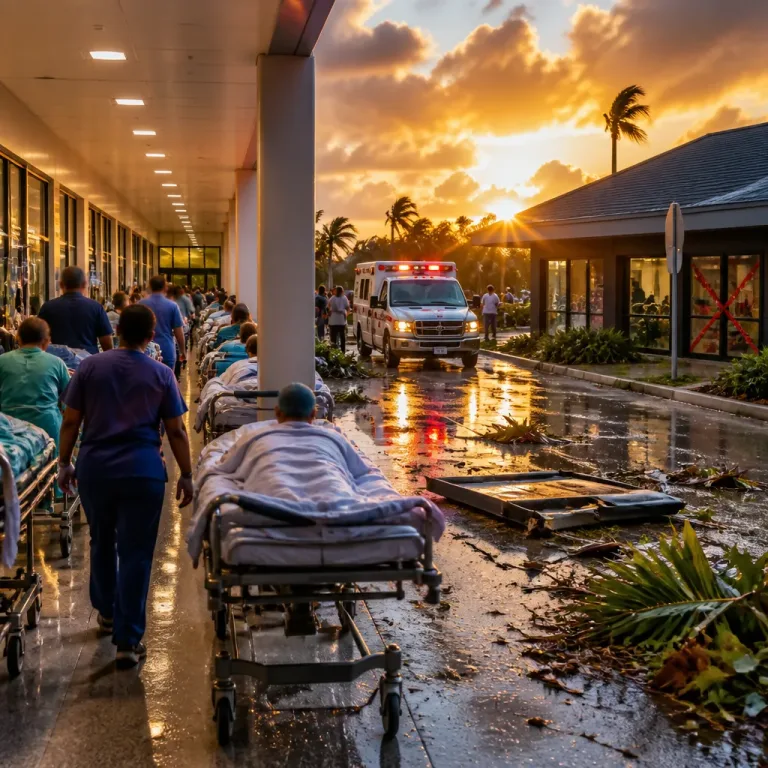
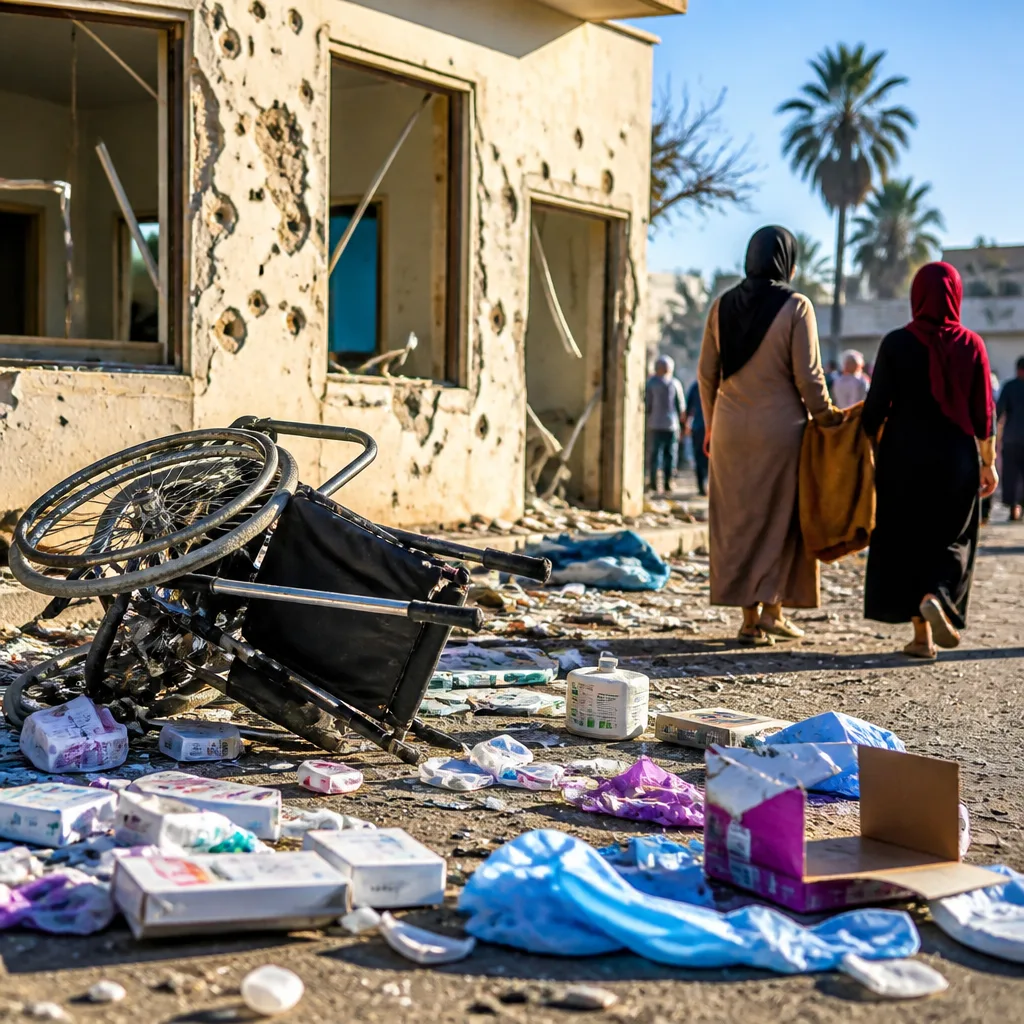
The paper outlines how attacks on hospitals and clinics, the displacement of health workers and the breakdown of medical supply chains quickly erode routine services, including prenatal care, safe childbirth, contraception and cervical cancer screening. In prolonged crises, these losses translate into increased maternal and neonatal risk, untreated reproductive tract infections and unmet contraceptive needs that can have multi‑generational effects on health and wellbeing.
Displacement compounds the problem. Women and girls forced into camps or informal settlements often face limited or non‑existent access to essential reproductive health services. Overcrowding and poor sanitation increase susceptibility to preventable illness, while the absence of trained clinicians and supplies means treatable conditions become life‑threatening.
Gendered vulnerabilities and gender‑based violence
The NATO Association commentary emphasises the acute needs of survivors of gender‑based and conflict‑related sexual violence. Survivors frequently require immediate medical care, emergency contraception, post‑exposure prophylaxis for HIV, treatment for sexually transmitted infections and psychological support. Yet in many fragile settings these services are not available, and social stigma, disrupted referral pathways and insecurity restrict survivors’ access to care.
These gaps not only cause individual harm but also undermine public health. Untreated infections and unaddressed obstetric complications increase morbidity and mortality, while lack of preventive services reduces the capacity to control outbreaks and maintain population health during and after conflict.
Long‑term consequences for communities and stability
According to the commentary, the deterioration of sexual and reproductive health services is not solely a humanitarian concern: it poses long‑term risks to social stability and economic recovery. Poor maternal and neonatal outcomes, increases in unintended pregnancies and the unmet needs of survivors of sexual violence can slow post‑conflict reconstruction and fuel intergenerational disadvantage.
Policy responses must therefore integrate sexual and reproductive health into emergency preparedness and peacebuilding efforts, the commentary argues. Maintaining supply chains for essential medicines, protecting health infrastructure and ensuring safe access for health workers are among the priorities highlighted.
- Protect healthcare infrastructure: Prioritise safeguarding hospitals and clinics in line with international humanitarian law.
- Maintain supply chains: Ensure continuous provision of contraceptives, obstetric supplies and post‑exposure prophylaxis.
- Support survivors: Provide integrated clinical and psychosocial services for survivors of sexual violence.
Implications for South Africa and regional actors
While the paper focuses on conflict‑affected countries, its findings have immediate relevance for South Africa’s role in regional humanitarian responses and for clinicians advising displaced populations. South African health authorities, humanitarian agencies and non‑governmental organisations engaged in neighbouring crises will need to prioritise sexual and reproductive health in emergency planning to mitigate long‑term harms.
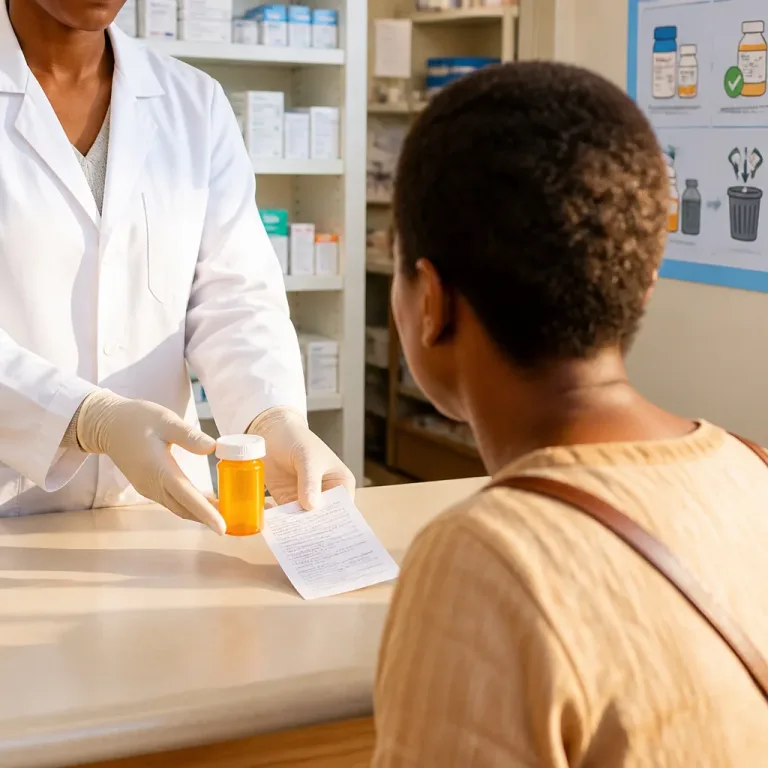
Clinicians and primary‑care facilities receiving displaced patients should remain alert to the reproductive health needs of women and girls, including antenatal care, management of obstetric emergencies and access to contraception and HIV post‑exposure prophylaxis. Where possible, referral pathways and psychosocial support must be strengthened to ensure survivors of sexual violence receive timely, comprehensive care.
For the public, the commentary serves as a reminder that health responses to conflict require more than food and shelter. Sexual and reproductive health services are essential to prevent avoidable harm and to support resilience in affected communities.
Advice: Anyone who has experienced sexual violence or who is pregnant, needs contraception, or requires urgent reproductive health care should seek assistance at a clinic or hospital rather than attempting self‑treatment. Health professionals can provide emergency care, testing, prevention and referrals.
The commentary from the NATO Association underscores that protecting sexual and reproductive health in conflict settings must be a health security priority, both to preserve individual wellbeing and to support longer‑term public‑health and societal recovery.