
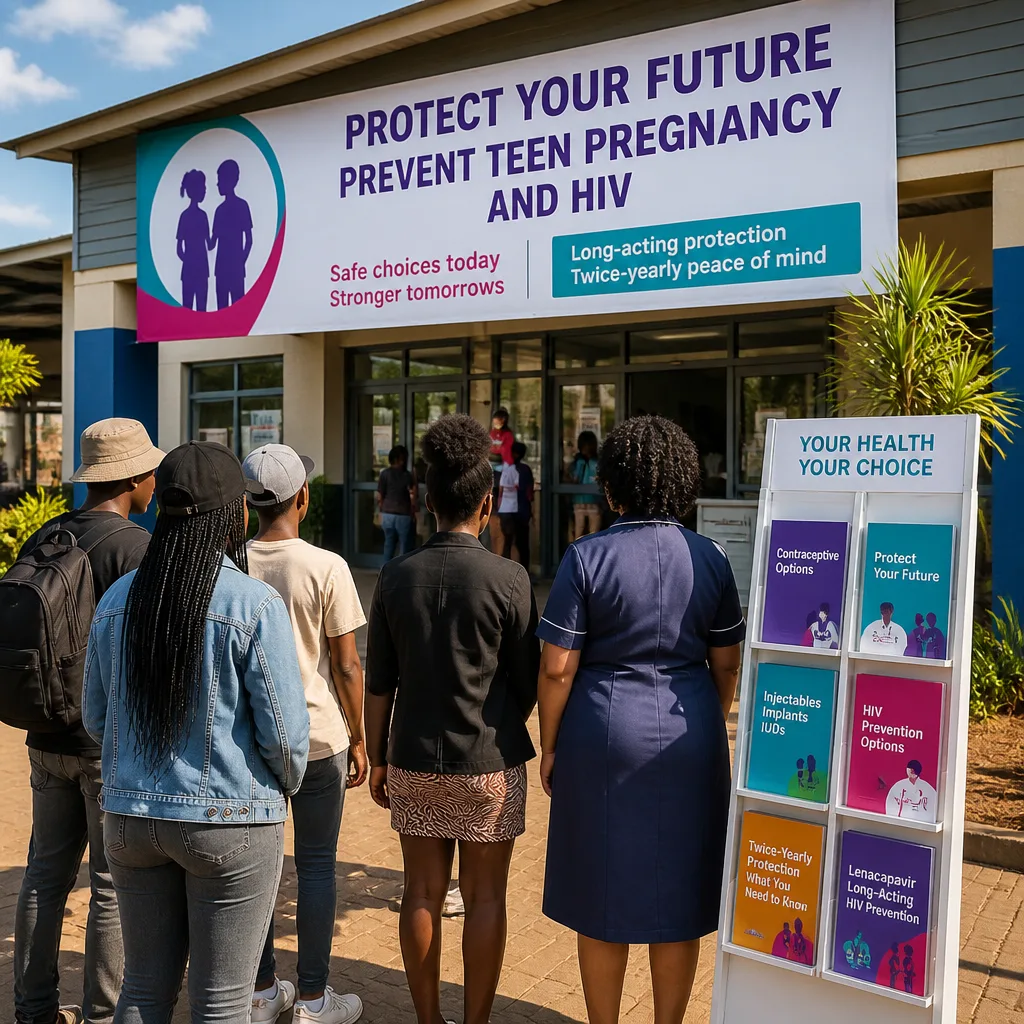
The Gauteng Health Department has intensified efforts to reduce teenage pregnancy and prevent new HIV infections among young people, running a focused campaign in Ekurhuleni this week that urged both boys and girls to take part in prevention and to use available sexual and reproductive health services.
Focus on young people and shared responsibility
The department emphasised that preventing teenage pregnancy is not solely the responsibility of girls and that meaningful involvement of young men is essential. The campaign sought to promote informed choice, awareness of contraceptive options and access to services through schools, families, communities and health facilities.
Officials highlighted a combined approach that links health messaging with the practical availability of services at public clinics. The department said it will continue to work with schools, families, community organisations and other partners to reduce teenage pregnancy, prevent new HIV infections and support young people to make healthy, informed decisions.
New HIV prevention option rolled out in the province
The campaign also drew attention to lenacapavir, an HIV prevention medicine administered twice yearly for people who are eligible. The department reported that lenacapavir is now available at 133 public healthcare facilities across Gauteng following an initial rollout in June.
| Intervention | Current coverage (reported) | Rollout month |
|---|---|---|
| Lenacapavir (twice-yearly HIV prevention) | 133 public facilities | June |
Public health officials said expanding access to a range of prevention options is part of a wider strategy to reduce new infections among adolescents and young adults. Offering long-acting alternatives can address barriers such as stigma, pill fatigue and adherence challenges that affect some people who may otherwise benefit from HIV prevention.
Community engagement and service linkages
The department described partnerships with schools and community structures as central to the campaign. These link prevention messaging with on-site or referral services so that young people who receive information can immediately access contraception, HIV testing and counselling or referral for additional care.
Key elements of the department's approach include:
- Inclusive messaging that addresses both boys and girls in prevention efforts;
- Promotion of sexual and reproductive health services available at public facilities;
- Integration of new prevention technologies, such as lenacapavir, into existing service delivery;
- Collaboration with schools, families and community partners to support informed decision-making among young people.
"The department will continue working with schools, families, communities and other partners to reduce teenage pregnancy, prevent new HIV infections and ensure that young people are supported to make healthy and informed choices," said department spokesperson Steve Mabona.
Health campaigns that combine education with tangible service availability are more likely to succeed in reaching adolescents, experts and health departments have routinely observed. Ensuring confidentiality, youth-friendly hours and staff trained in adolescent health can improve uptake of services by young people who may otherwise avoid clinics.
What this means for young people and caregivers
For adolescents and their caregivers, the Gauteng campaign underscores the importance of discussing sexual and reproductive health openly, learning about the range of prevention methods and visiting a clinic for services or information. Parents, educators and community leaders are encouraged to create supportive environments where young people can ask questions and obtain care without fear of stigma.
Those interested in lenacapavir or other prevention methods should consult a healthcare provider or their nearest public clinic to confirm eligibility, understand benefits and possible side effects, and receive appropriate counselling. Health services remain the definitive source of personalised advice; self-diagnosis or self-prescribing is not recommended.
The department's intensified campaign in Ekurhuleni represents one part of broader provincial efforts. Sustained partnership between health services, education and communities will be necessary to translate awareness into lower rates of teenage pregnancy and new HIV infections.











